Environment
🌫️PM2.5 Curbs
What Thailand’s enforcement push means — and what to do about it
What Thailand’s enforcement push means — and what to do about it
If you’ve lived through a Thailand “haze week,” you already know the plot: you wake up, check AQI, sigh, and decide whether today is a “N95 day” or an “indoor treadmill day.” The part that’s harder to decode is the government news cycle — crackdowns, inspections, new monitoring — and what any of it actually means for the air you breathe.
In early February 2026, Thai reporting said the Pollution Control Department (PCD) was intensifying nationwide enforcement to curb industrial pollution and reduce PM2.5 emissions, while the Ministry of Industry expanded real-time emissions monitoring at factories, with additional smokestacks in Bangkok set to come under surveillance.
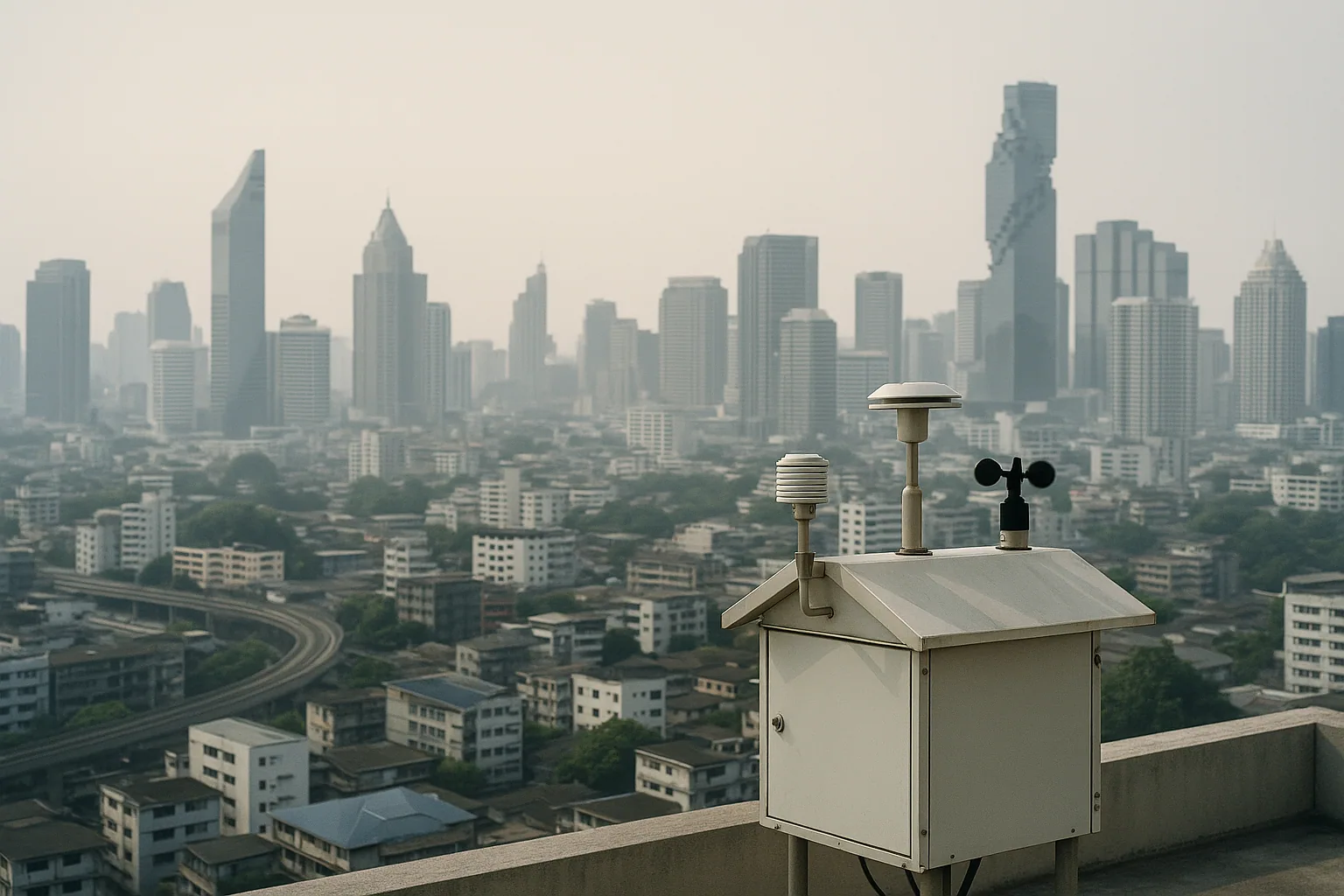
“Enforcement” and “monitoring” are not magic words — they’re tools. The practical shift is this: if more smokestacks and factories are being tracked in real time, it becomes harder (not impossible, but harder) to hide bad behavior behind friendly paperwork. Monitoring also makes it easier for regulators to spot patterns: repeated spikes, suspicious downtime, and emissions that don’t match production levels.
For residents, this doesn’t mean the air will suddenly be clean next Tuesday. PM2.5 in Thailand is a mix of sources: traffic, construction dust, industrial emissions, seasonal burning, and weather patterns that trap pollution close to the ground. A factory crackdown targets only one slice of the pie — but it’s a slice that regulators can actually measure and police.
Think of this as a step toward better accountability, not an instant fix. Your day-to-day protection plan still matters.
If you want the deeper “burning season survival” playbook, start with our full guide to air quality in Thailand. Here’s the fast version.
Cloth masks and loose surgical masks are better than nothing for droplets, but they’re not designed to seal and filter fine particulates. For PM2.5, aim for N95 / FFP2 (or better) with a decent face seal.
A properly sized HEPA purifier in the bedroom is usually the best value move. Thailand apartments often look sealed but leak plenty of air around doors and window frames — so “I’ll just close the windows” is not a filtration strategy.
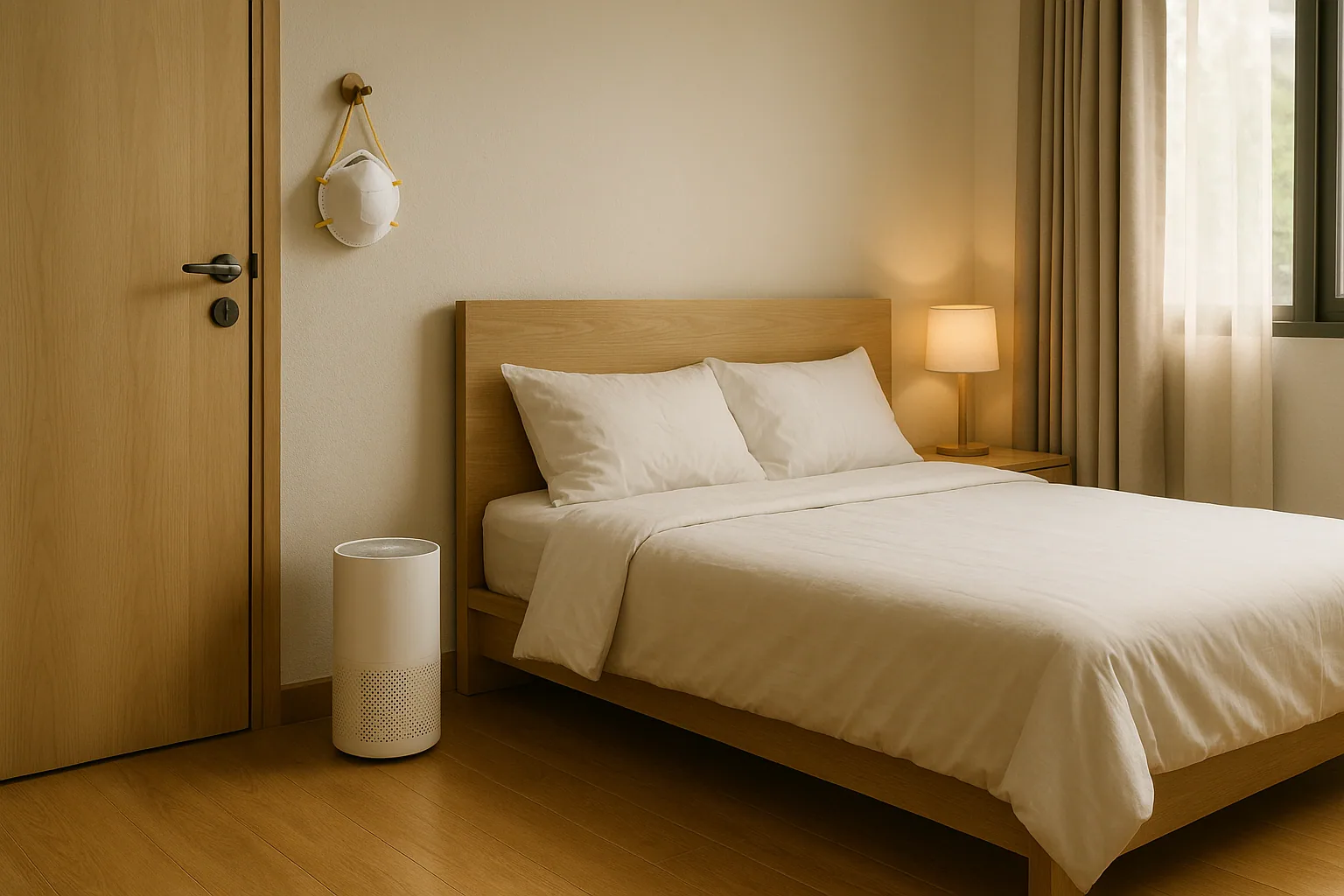
Thailand’s tighter enforcement and expanded real-time monitoring is the kind of boring government work that can actually matter. But it’s not a substitute for personal precautions. Treat the crackdown as a reason to stay informed — and treat your purifier and mask as your day-to-day insurance policy.