Provinces
⛵Chai Nat Province
Where Thailand's river culture flows unchanged
Where Thailand's river culture flows unchanged
Dawn breaks over the Chao Phraya River in Chai Nat, and the scene could be from any century in the past five hundred. Long-tail fishing boats cut through morning mist, their engines the only concession to modernity. On the banks, weathered men mend nets using techniques passed down through generations. This isn't a tourist attraction or cultural preservation project—it's Tuesday. In Chai Nat, the rhythms of river life that shaped Thailand for millennia continue uninterrupted, largely unnoticed by the world speeding past on Highway 32.
About two-and-a-half hours north of Bangkok on the Asia Highway, Chai Nat province exists in a different temporal dimension. The name translates to "place of victory," commemorating its strategic importance in Ayutthaya-era campaigns against the Burmese, but today the province's victory is quieter—it has successfully resisted the homogenising forces of modernisation while remaining accessible enough for those seeking authentic Thai life without sacrificing all comforts.
I first stumbled into Chai Nat by accident, taking what I thought was a shortcut to Chiang Mai. My motorbike broke down near the Chao Phraya Dam, and while waiting for repairs, I watched families gather along the river's edge for the evening fish feeding—not tourists, just locals continuing a daily ritual. Three years later, I still haven't made it to Chiang Mai. Some places grab you not with dramatic landscapes or impressive monuments, but with the simple authenticity of everyday life proceeding as it has for generations.
"Some places grab you not with dramatic landscapes or impressive monuments, but with the simple authenticity of everyday life proceeding as it has for generations."
The Chao Phraya River doesn't just flow through Chai Nat—it defines the province entirely. This is Thailand's most important waterway, the liquid highway that built kingdoms and fed civilizations, and in Chai Nat you see it functioning as it always has. The province sits at a crucial point where the river's flow is controlled by a massive barrage built in 1957, creating a landscape of controlled floods, fish-rich waters, and agricultural abundance.
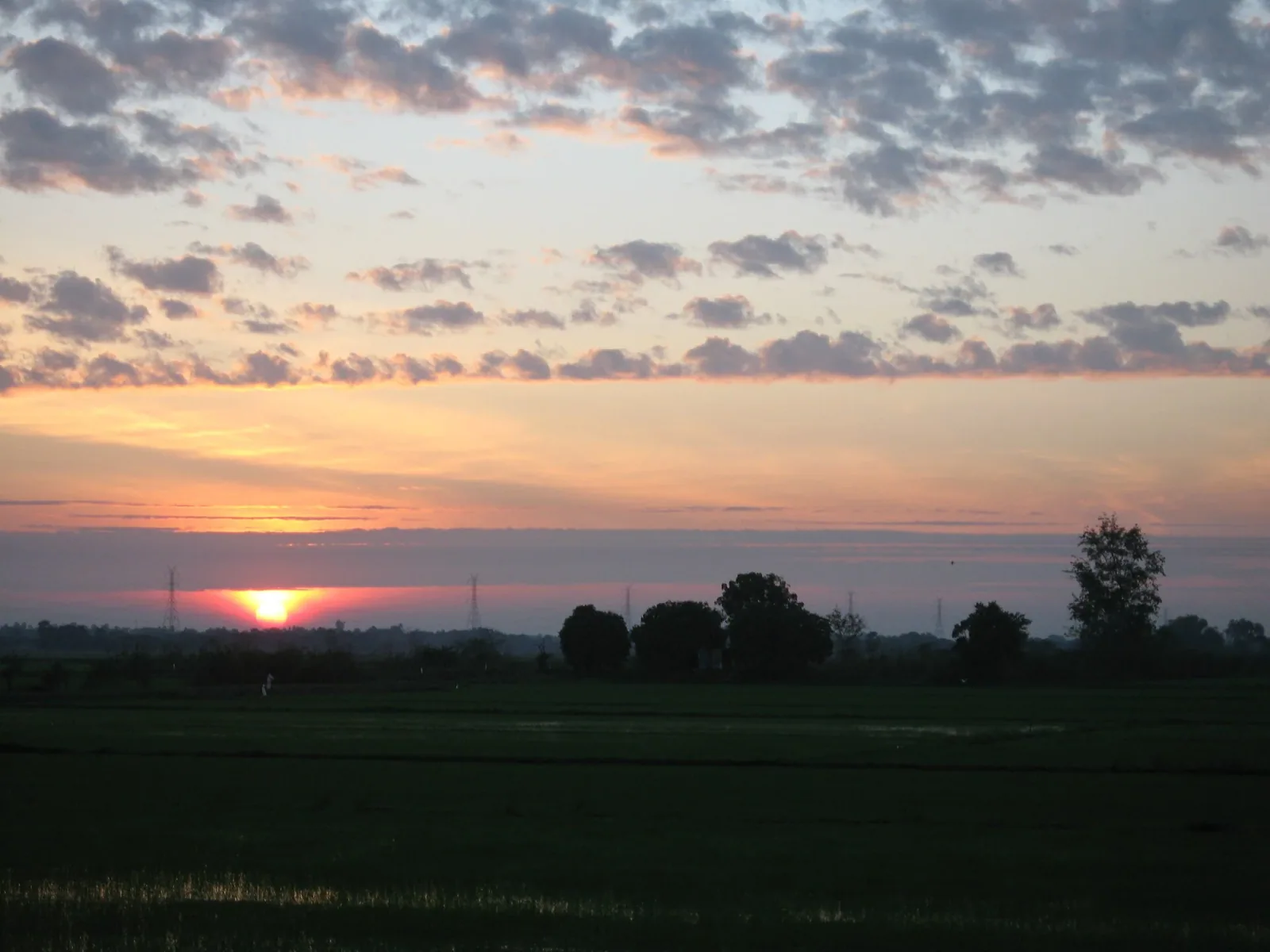
The barrage itself is worth a visit—not for the engineering (though it's impressive), but for what happens around it. This is where locals gather at sunset, where families spread blankets for picnics, where teenagers awkwardly navigate first dates, and where old men fish with the infinite patience of those who understand that some things cannot be rushed. The observation deck provides panoramic views of the river stretching in both directions, golden in late afternoon light, dotted with traditional fishing boats that look like they belong in a historical documentary.
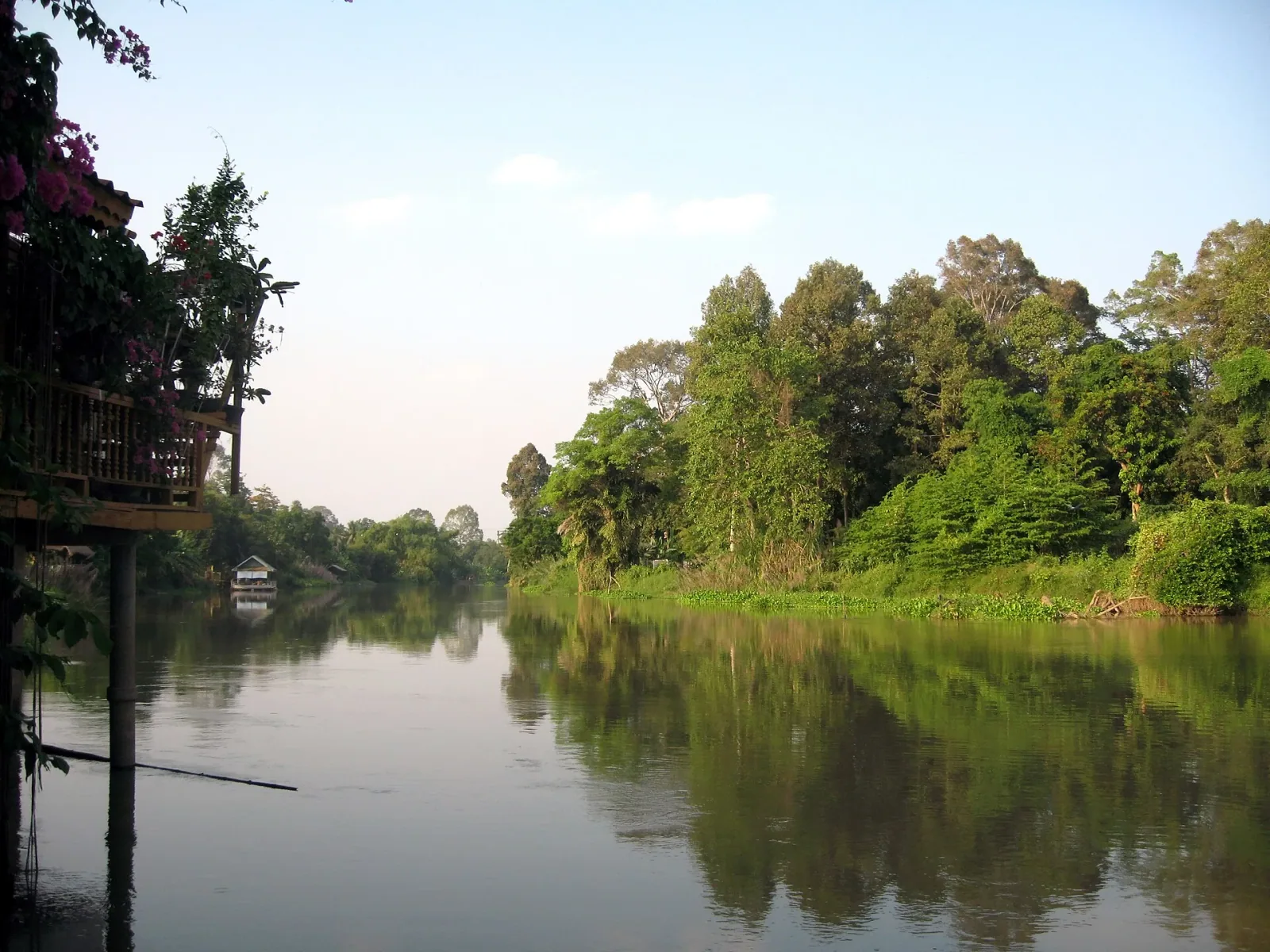
But the real river culture reveals itself in the fishing villages that line the banks both upstream and downstream from the dam. These aren't quaint reconstructions for visitors—they're working communities where families have fished these waters for so long that no one remembers when their ancestors first cast nets here. Wake before dawn and you'll witness the departure of fishing boats in the pre-light dimness, dozens of them heading out to check traps and cast nets in locations known only to local knowledge.
Around 6:30 AM, the boats begin returning with their catch—catfish as thick as your arm, snakehead fish with prehistoric-looking heads, and dozens of other species that end up in the town's morning market within an hour. You can buy fish so fresh they're still moving, and if you rent a place with a kitchen, the local vendors will clean and prepare your purchase right there, often offering cooking advice that reveals generations of culinary wisdom.
Morning fish market: Arrive by 6:30 AM at the main market near the river to see the day's catch being sold. Vendors are welcoming to foreigners curious about the various species and preparation methods.
Boat tours: Local operators offer 1-3 hour river tours (300-800 THB) that visit fishing villages, traditional wooden houses, and quiet backwaters. Sunset tours are particularly beautiful, but morning tours reveal actual fishing operations.
Village homestays: Several fishing villages offer basic homestays (600-1,200 THB/night including meals). This is the deepest immersion available—you'll eat with families, potentially join morning fishing runs, and experience rural Thai life as it's actually lived.
What makes Chai Nat remarkable isn't its remoteness—it's not remote at all. It's the way the province balances traditional life with modern necessities. You have reliable internet for remote work, air-conditioned apartments, 7-Elevens on every corner, and all the infrastructure needed for comfortable contemporary living. But step outside that thin veneer of modernity and you're immediately in a world where the rhythms of water and agriculture govern daily life more than any clock.
The town center feels distinctly provincial—low-rise concrete buildings, wide streets nearly empty of traffic, shops that close at 7 PM. But it's not sleepy so much as operating on a different schedule. Life here begins at dawn when it's cool and the fish are biting, pauses during the brutal midday heat, then resumes in the late afternoon when the river breeze makes everything bearable again. The evening market becomes the social center, where everyone seems to know everyone, and foreigners are novel enough to inspire genuine curiosity rather than practiced tourist smiles.
The cost of living is almost shockingly low by any standard. I've met remote workers living comfortably on 15,000-20,000 baht monthly—and that's not poverty living, that's a decent apartment, eating well at local restaurants, and having money left for weekend trips. The expensive items in Thailand (imported goods, international restaurants, Western-style entertainment) simply don't exist here, so you naturally adopt a more Thai lifestyle. You eat what's local and seasonal because that's what's available. You socialize at markets and temples because those are the gathering places. Your entertainment becomes bicycle rides through rice paddies and sunset watching from the dam.
→ Studio apartment with A/C, furnished: 3,500-6,000 THB/month
→ Utilities (electric, water, internet): 600-900 THB/month
→ Local restaurant meal: 35-60 THB
→ Fresh fish from morning market: 50-150 THB/kg
→ Motorcycle rental: 1,500-2,500 THB/month
→ River boat tour: 300-800 THB for 1-3 hours
Reality check: Two people can live very comfortably on 25,000-30,000 THB monthly, including rent, all meals, transportation, and weekend activities.
Chai Nat's temples aren't the grand tourist attractions you'll find in Ayutthaya or Bangkok, but that's precisely what makes them interesting. They're working temples, community anchors where actual spiritual and social life unfolds. Wat Thammamun Worawihan, in Wat Sing district, sits on a low hill above the Chao Phraya and houses Luang Pho Thammachak, a revered Buddha image carved with a dharma-wheel disc behind its hands. On a typical visit you'll see almost no foreign tourists—just locals making merit, monks going about their routines, and the kind of quiet that invites contemplation.
Equally significant is Wat Phra Borommathat Worawihan in Sankhaburi, the province's oldest temple, with a Lavo/Dvaravati-era chedi believed to enshrine relics of the Buddha. The surrounding Mueang Sankhaburi area was a small principality long before Chai Nat town existed, and the lanes around the temple still feel like an old market settlement that the rest of the country forgot to redevelop.
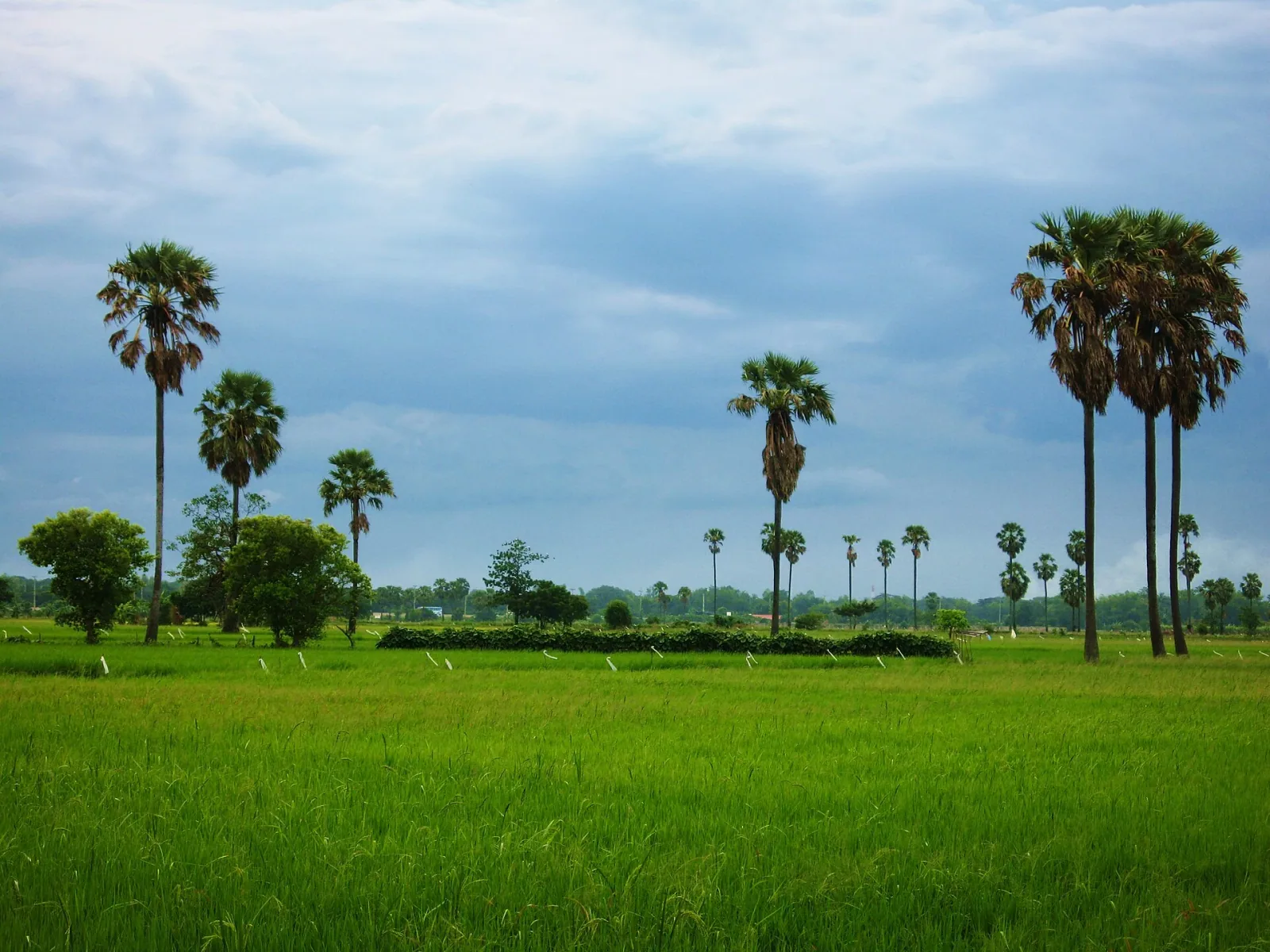
Beyond temples, Chai Nat rewards aimless exploration. Rent a bicycle (the terrain is pancake-flat) and pedal through the countryside surrounding town. You'll pass through rice paddies that stretch to the horizon, their color shifting from brilliant green during growing season to golden brown at harvest. Water buffalo still plow fields here, massive animals moving with surprising grace through shallow water. Farmers wave as you pass, occasionally calling out friendly greetings or questions about where you're from.
Chai Nat Bird Park (Suan Nok Chai Nat), a few kilometres outside town near the Chao Phraya barrage, is the province's signature built attraction. Its centrepiece is a giant walk-through aviary—long advertised as the largest in Asia—where pheasants, hornbills, peafowl and dozens of smaller species fly overhead instead of sitting in cages. Beyond the aviary, the surrounding park and the riverside grounds attract egrets, herons and seasonal waders, especially around the cool-season months. Arrive in the morning when the heat is bearable and most of the local visitors haven't yet shown up.
For remote workers: Internet quality is adequate for video calls and online work (fiber available in town). Coworking spaces don't exist, but cafés with A/C and good WiFi serve the same purpose. The quiet environment is excellent for deep focus work.
For Bangkok escapists: A ~3-hour bus ride from the Northern Bus Terminal means you can keep Bangkok for occasional visits while living somewhere that feels completely different. Many expats use Chai Nat as a peaceful base, heading to the capital monthly for shopping, medical appointments, or visa runs.
For cultural learners: The lack of English spoken here (beyond basics) forces Thai language practice. Locals are patient with learners, and you'll improve faster than in tourist areas where everyone switches to English.
Chai Nat isn't for everyone, and pretending otherwise would be dishonest. If you need international restaurants, English-language bookstores, expat social scenes, or weekend entertainment beyond nature and temples, you'll be frustrated here. The nightlife consists of a few local bars where you'll be the only foreigner. Dating options for foreigners are essentially non-existent unless you speak Thai and are interested in local people. Healthcare is basic—adequate for minor issues, but anything serious requires a trip to Bangkok.
The climate is punishing during hot season (March-May), when temperatures routinely exceed 38°C and the humidity makes everything feel like a sauna. Air conditioning becomes non-negotiable, which drives up electricity costs. Rainy season brings relief from the heat but occasional flooding in low-lying areas near the river. Only the cool season (November-February) offers genuinely pleasant weather, though even then, midday heat requires siesta or air conditioning.
But for a certain type of person—someone who values authenticity over amenities, who finds peace in simplicity, who wants to understand Thai culture by living within it rather than observing from tourist areas—Chai Nat offers something increasingly rare. It's a chance to experience Thailand as it was before mass tourism, before every provincial city started looking like every other, before modernization smoothed away regional character.
The province makes sense as a longer-term base rather than a brief visit. The first week, you'll wonder what you're doing here. The second week, you'll start noticing patterns—the fish vendor who throws in extra because you're polite, a quiet corner of the temple grounds the monks let you sit in, the perfect sunset viewing spot a neighbour pointed out. By the third week, you're part of routines: the morning market, evening walks along the river, weekend bicycle explorations of villages you'd never find on any map.
I won't pretend Chai Nat is some undiscovered paradise—it's hot, quiet, occasionally boring, and requires genuine adaptation to provincial Thai life. But if you're tired of expat bubbles and tourist Thailand, if you want to test whether you actually like Thai culture or just like the convenient version served up in urban areas, if you need a place where your modest income stretches into comfortable living while you work remotely or study language or simply figure out what comes next—then Chai Nat might be exactly what you didn't know you were looking for. The river keeps flowing, the fish keep biting, and life continues in rhythms unchanged for generations. Sometimes that's more than enough.
VITAL STATS
Population
~314,000 (2024)
From Bangkok
188 km / 2.5-3.5 hours
Monthly Budget
15,000-35,000 THB
Rent Range
3,500-7,500 THB/month
BEST FOR
NOT IDEAL FOR
Cool Season
Nov-Feb · 18-30°C
Ideal for river activities and exploration
Hot Season
Mar-May · 35-40°C
Brutal heat; A/C essential
Rainy Season
Jun-Oct · Afternoon storms
Flooding possible near river