Provinces
🏞️Chaiyaphum
Gateway to natural Thailand
Gateway to natural Thailand
I first stumbled into Chaiyaphum by accident, taking a wrong bus from Bangkok that deposited me in this unassuming provincial capital instead of my intended destination. What began as a frustrating detour became one of my best discoveries in Thailand—a province that sits quietly at the intersection of central and northeastern Thailand, gateway to some of the country's most spectacular national parks, yet somehow remaining almost entirely off the tourist radar.
Chaiyaphum doesn't announce itself the way Chiang Mai or Phuket do. There are no backpacker hostels plastered with beer promotions, no touts selling tours, no Instagram influencers posing at curated cafes. Instead, you'll find a working town where life revolves around agriculture, a small university, and serving as the launching point for outdoor enthusiasts heading to Pa Hin Ngam, Sai Thong, Tat Ton, and the lesser-known wilderness that defines the western edge of Isan.
The province occupies a distinct geographical position on the western rim of the Khorat plateau, where the Phetchabun range tips down into the rice plains. Within an hour's drive you can move from agricultural flatlands to rugged sandstone plateaus and waterfall gorges. That transitional terrain is the source of Chaiyaphum's signature draw: the Siam tulip (krachiao) fields that bloom in dense pink-purple sheets across the highland savannahs every June through August. For anyone who's ever thought "I want to live near incredible nature but can't afford the usual expat hotspots," Chaiyaphum deserves serious consideration.
"Every June, the highland savannahs above Chaiyaphum erupt in a sea of pink-purple Siam tulips. Almost nobody outside Thailand knows it happens."
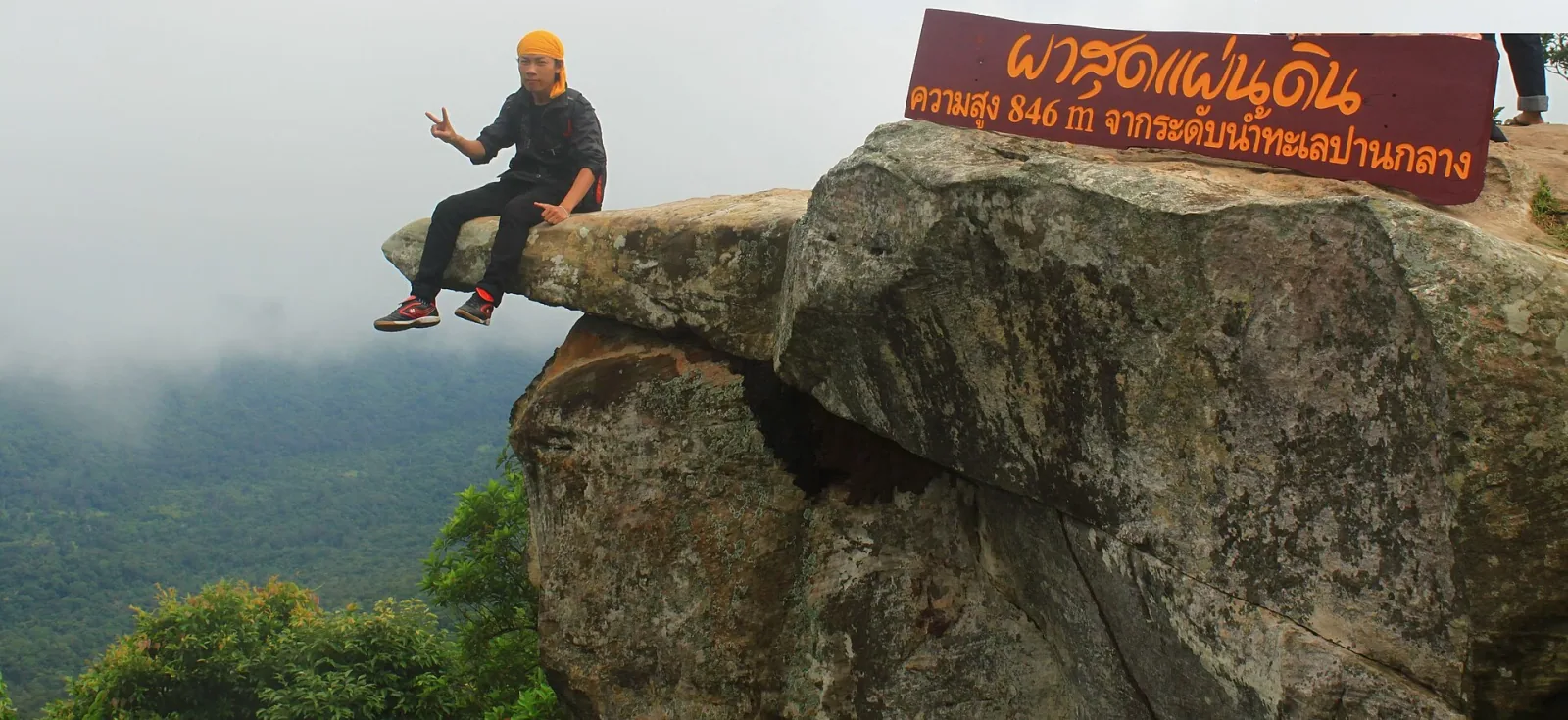
Chaiyaphum's signature spectacle is the Krachiao or Siam tulip (Curcuma alismatifolia) bloom in Pa Hin Ngam National Park, on the Phetchabun range in Thep Sathit district about two hours south-west of the city. Each year from late June to early August, the rolling savannah of Sun Lan ("a million flowers" in Thai) turns into a soft pink-and-violet carpet that draws Thai photographers in waves but almost no foreign visitors. The park's namesake "beautiful rocks" sit on a windswept clifftop nearby, with sweeping views westward over the rice plains of Phetchabun and Lopburi.
A short drive north, Sai Thong National Park (Nong Bua Daeng district) offers its own krachiao fields and the multi-tiered Sai Thong Waterfall, which roars in rainy season and is good for swimming through October. Closer to the provincial capital, Tat Ton National Park is the easy half-day trip — Tat Ton Waterfall itself is a wide, gentle curtain of water perfect for an afternoon picnic, and the park is laced with short forest trails. Together, these three parks make up the bulk of Chaiyaphum's outdoor identity, and you can string all three into a long weekend with a rented car.
The province's most photographed landmark is Mor Hin Khao, the so-called "Stonehenge of Thailand" — a cluster of mushroom-shaped sandstone columns weathered out of the plateau inside Phu Laen Kha National Park (Ban Khwao / Mueang Chaiyaphum districts). Sunrise and sunset, with mist drifting between the columns, are the obvious shots, but most days you'll have the place essentially to yourself. North-east of the city, Phu Khiao Wildlife Sanctuary is a working conservation area home to one of Thailand's most important remaining wild Asian elephant populations; permits and guides are arranged through the sanctuary office. Between the four parks, plus waterfalls and unmarked viewpoints, Chaiyaphum is essentially Thailand's outdoor adventure headquarters that nobody told you about.
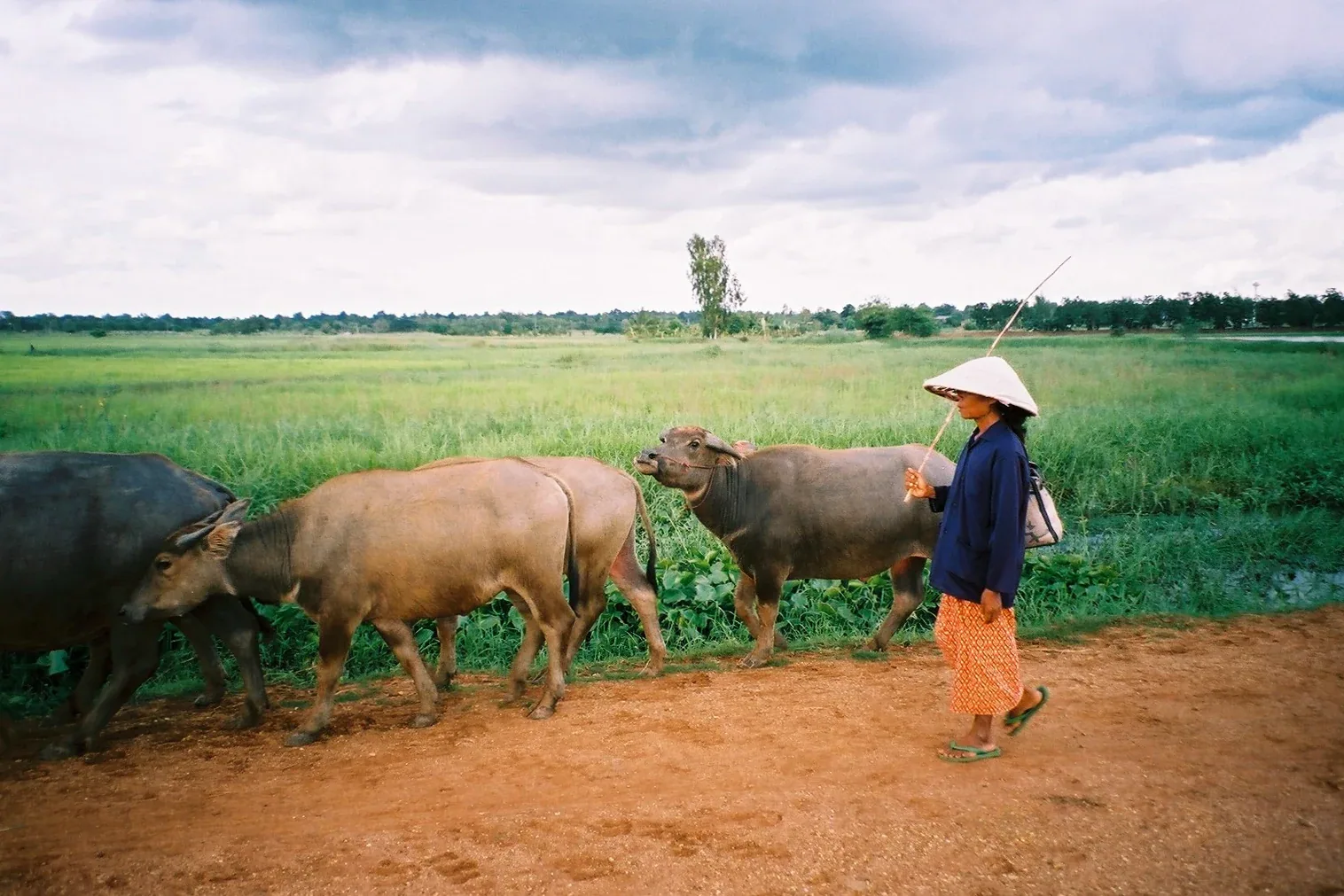
Chaiyaphum town won't win beauty contests. It's a functional provincial capital where morning markets sell fresh produce to locals, not artisanal coffee to expats. The architecture is utilitarian concrete and shophouses. Entertainment consists of night markets, a few karaoke bars frequented by Thai families, and pretty much nothing resembling a nightclub or craft cocktail scene. If you're looking for the sophisticated urban lifestyle of Bangkok or the bohemian charm of Pai, this isn't it.
But what Chaiyaphum lacks in polish, it delivers in authenticity and affordability. Studio apartments in the city center run 4,000-7,000 THB monthly—about the cost of a single night in a decent Bangkok hotel. Street food vendors serve exceptional som tam and grilled chicken for 40 THB. The morning market offers produce so fresh and cheap that you'll question why you ever paid premium grocery store prices. I lived on 18,000 THB monthly including rent, food, motorcycle fuel, and regular national park excursions—a budget that wouldn't cover rent alone in most expat-popular Thai cities.
The daily rhythm follows Isan patterns rather than tourist schedules. Markets bustle from 6am-9am, then quiet as the heat builds. Afternoons are for staying inside or, if you're smart, heading to higher elevations where temperatures drop. Evenings bring relief and renewed activity—the night bazaar sets up, families emerge for dinner, and you can spend an hour wandering stalls selling everything from silk scarves to fried insects without spending more than 100 THB. It's simple living, but there's something deeply satisfying about a place where everyone knows the fish vendor's name and the coffee shop owner remembers your usual order.
Accommodation: Studios 4,000-7,000 THB, one-bedrooms 5,000-9,000 THB monthly. Facebook groups and local agents help find rentals. City center offers best access to services, while areas near park gateways suit outdoor enthusiasts.
Getting around: Rent a motorcycle (1,500-2,500 THB/month) for flexibility. Songthaews (shared taxis) cover town routes for 25-50 THB. Walking works for city center daily needs. Car rental available for park exploration.
Internet & work: Fiber internet available in town at reasonable speeds for remote work. Some guesthouses near parks offer wifi, though rural coverage varies. Consider Chaiyaphum if your work is location-independent and you prioritize outdoor access over coworking spaces.
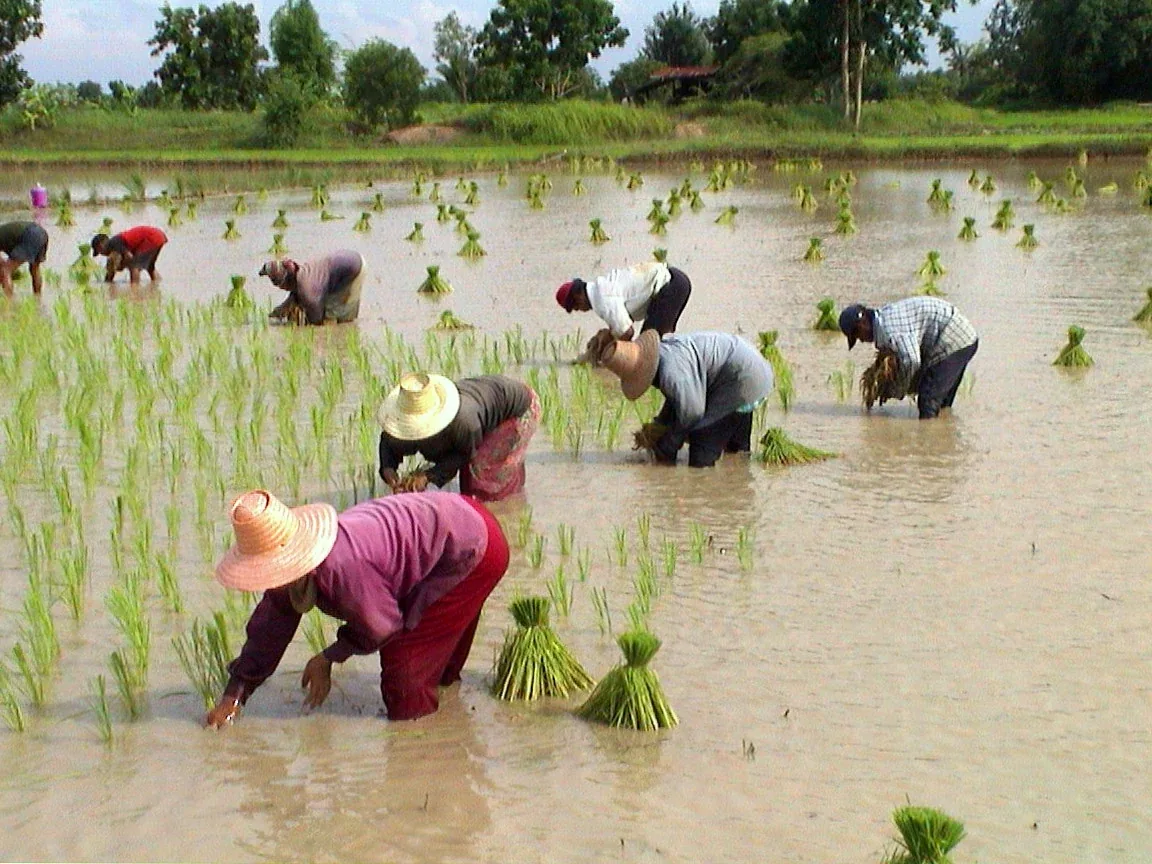
Drive ten minutes outside town in any direction and you're surrounded by agriculture. Rice paddies dominate the flatlands, their appearance shifting with the seasons—flooded and luminous green during rainy months, golden and ready for harvest in November, stubbled brown fields being burned in preparation for the next planting. Cassava and sugarcane fill in much of the rest of the landscape. The highlands host orchards where you can taste mangoes that never make it to city markets, vegetable gardens taking advantage of the cooler air, and a handful of small experimental farms playing with cooler-climate crops.
Several farms offer agritourism experiences—not the sanitized, Instagram-ready versions you might find near tourist centers, but genuine working operations where you can join in harvest, learn traditional techniques, and eat meals prepared entirely from ingredients grown within a few hundred metres. The province isn't a major coffee-growing area—if you want estate coffee, head to Chiang Rai or Nan—but a handful of small roasters in Chaiyaphum town source from elsewhere in the north and serve a respectable cup for 50–70 baht.
Traditional crafts persist in villages around the province. Silk weaving remains an active practice rather than a tourist demonstration, with artisans creating beautiful fabrics using techniques passed through generations. Pottery workshops produce both functional cookware and decorative pieces. These aren't positioned as tourist attractions—there are no signs in English, no guided tours—but show genuine interest and people generally welcome visitors. I've spent afternoons watching silk weavers work while drinking weak instant coffee and attempting Thai conversation, learning more about Isan culture in those unstructured moments than any museum could teach.
Chaiyaphum's culinary landscape is pure Isan—which means if you love som tam, larb, and sticky rice, you've found paradise. Every morning market vendor seems to have their own som tam recipe, each family claiming theirs is the authentic version. After sampling dozens, I can confirm they're all different, and they're all good. The spice levels vary from "pleasantly warm" to "genuinely concerning," so learn to say "mai phet" (not spicy) unless you're confident in your heat tolerance.
Beyond the Isan standards, Chaiyaphum's position as an agricultural centre means exceptional produce quality. Vegetables taste like vegetables are supposed to taste when they haven't spent three days in transit. River fish appears on menus prepared countless ways—grilled, fried, steamed in banana leaves with herbs, turned into spicy soups that clear sinuses and warm souls. Local sai krok Isan (fermented Isan sausage) grills at night markets, filling the air with aromatics. The cafe scene is modest but growing, with several spots near the university serving decent espresso to students and the small remote-worker population.
→ Street food meals: 30-60 THB for filling plates of rice with curry, noodle soups, or som tam with sticky rice
→ Local restaurants: 100-250 THB for multi-dish meals with beer, authentic Isan specialties prepared by skilled cooks
→ Coffee shops: 40-80 THB for excellent coffee from local beans, growing specialty scene
→ Markets: Fresh produce at prices that make Bangkok seem expensive—whole pineapples for 20 THB, giant papaya for 30 THB
You can eat extremely well on 5,000-6,000 THB monthly if you cook some meals and enjoy street food regularly
Chaiyaphum attracts a specific type of expat—outdoor enthusiasts, remote workers seeking affordability, retirees wanting authentic Thailand without tourist prices, and nature photographers who've discovered the province's visual riches. English is limited outside educational institutions, so language learners find rich practice opportunities, while those expecting everyone to accommodate English will struggle.
The climate follows typical Thai patterns with intensity. Cool season (November–February) offers ideal conditions—roughly 16–28°C, perfect for hiking and exploration, with the occasional brisk dawn on the highland plateaus. Hot season (March–May) brings brutal heat reaching 40°C; this is when you understand why afternoon siestas are cultural institutions. Rainy season (June–October) transforms the landscape, waterfalls reach their spectacular peak, the krachiao fields explode in colour, and the parks turn impossibly green, though some trails become slippery. For detailed visa planning if you're considering long-term stays, review our visa options comparison.
Healthcare exists at the provincial hospital—competent for routine issues, dental work, and minor emergencies. For serious conditions, most residents head to Khon Kaen (around 2.5–3 hours by road) or Bangkok (5–6 hours). This distance from major medical facilities makes Chaiyaphum better suited to generally healthy individuals rather than those managing complex medical conditions requiring specialist care. If you need comprehensive insurance information, consult our Thailand health insurance guide.
Chaiyaphum connects to major cities by bus. Buses from Mo Chit (Bangkok's Northeastern Bus Terminal) depart multiple times daily (5–6 hours, 300–450 THB). From Khon Kaen the trip is roughly 2.5–3 hours (about 150 THB); from Udon Thani allow 4 hours. The province has no commercial airport and isn't on the rail network — the nearest railhead is Bua Yai in Nakhon Ratchasima — so most visitors fly into Bangkok and bus up, or fly into Khon Kaen / Udon Thani and connect by van. Either way, the bus ride doubles as a gradual transition from urban chaos to provincial calm.
Within the province, personal transport transforms the experience. Motorcycle rental runs 1,500-2,500 THB monthly and opens access to waterfalls, viewpoints, and trails that public transport doesn't reach. Songthaews cover in-town routes cheaply, but schedules are loose and routes confusing for newcomers. Walking works for city center daily life. Car rental makes sense for serious park exploration, especially during rainy season when motorcycle travel becomes less appealing.
What you won't find in Chaiyaphum: trendy cafes with oat milk lattes, Western restaurant chains, international schools, modern shopping malls, vibrant nightlife, or any semblance of expat infrastructure. There's no "Chaiyaphum digital nomad community" organizing co-working meetups. No yoga studios offering classes in English. No weekly pub quiz nights at Irish bars.
What you will find: some of Thailand's most accessible yet still spectacular wilderness areas. A cost of living so low that 25,000-30,000 THB monthly provides a comfortable lifestyle including regular travel. Genuine Isan culture unchanged by tourism. Morning markets where your presence causes friendly curiosity rather than merchant calculations. Coffee from farms you can visit. Rice fields that shift colors with the seasons. Waterfalls that cascade through forest you'll have largely to yourself. And the particular satisfaction that comes from discovering somewhere beautiful that hasn't yet been discovered by everyone else.
Chaiyaphum won't work for everyone. If you need English-speaking medical specialists, international schools, or regular flights to other countries, look elsewhere. But if you're seeking affordable access to Thailand's natural wonders, authentic cultural experiences, and the kind of simple living that feels increasingly rare in our hyper-connected world, this unassuming province delivers remarkably well. Three years after my accidental arrival, I still spend months here annually, drawn back by affordable living costs and the knowledge that I can wake up, ride my motorcycle an hour, and be hiking through pristine forest before most of the world checks their first email. For more information about living costs across Thailand, explore our detailed cost of living breakdowns.
BEST FOR
NOT IDEAL FOR
KEY FACTS
Pa Hin Ngam National Park
~120 km, ~2 hrs SW · Siam tulip fields, sandstone cliffs
Sai Thong National Park
~70 km W · Krachiao fields, Sai Thong Waterfall
Tat Ton National Park
~20 km N · Tat Ton Waterfall, easy day trip
Mor Hin Khao (Phu Laen Kha NP)
~30 km W · "Stonehenge of Thailand" sandstone columns
Phu Khiao Wildlife Sanctuary
~90 km NE · Wild elephants (permit required)
Khon Kaen
~150 km E · Major city amenities, ~2.5–3 hrs