Provinces
⛩️Chiang Rai
Northern Thailand's artistic and cultural alternative
Northern Thailand's artistic and cultural alternative
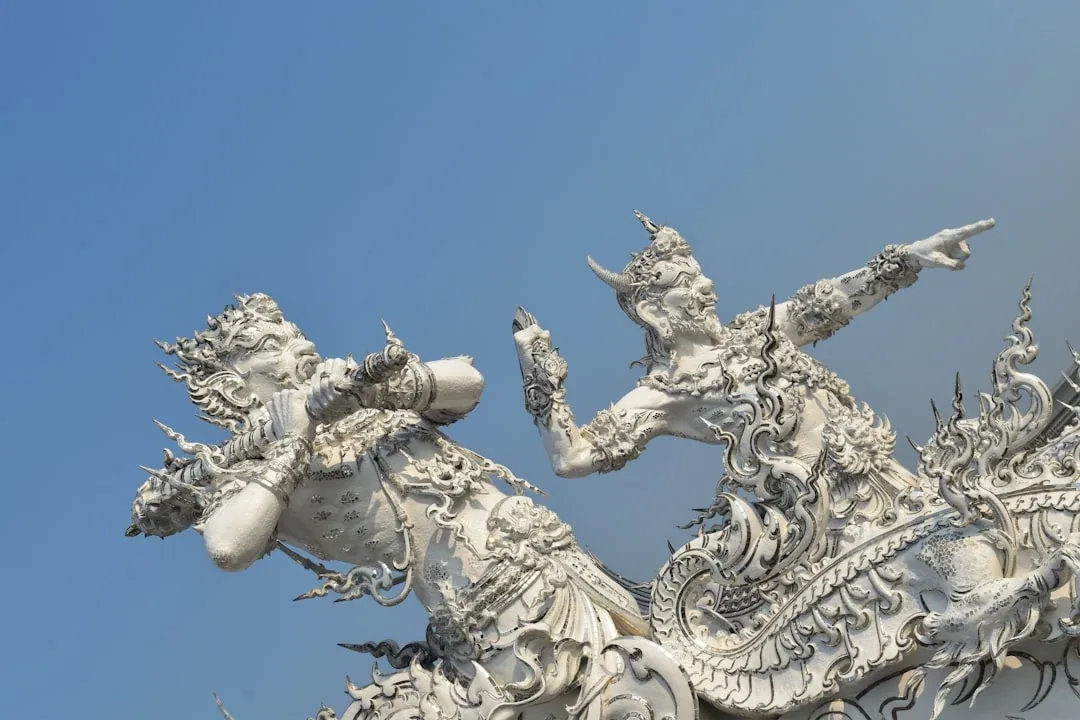
The White Temple gleams against mountain-backed sky like something from a fever dream—impossibly white, covered in mirrors that catch sunlight and blind, covered in sculptures of demons and contemporary pop culture symbols, simultaneously Buddhist temple and postmodern art installation. This is Wat Rong Khun, artist Chalermchai Kositpipat's ongoing project, and it's become the visual shorthand for Chiang Rai province: unexpected, artistic, unapologetically strange, and impossible to ignore. The temple has transformed Chiang Rai from sleepy northern province into Thailand's unlikely contemporary art capital, drawing visitors who expected traditional Thailand and found something far more interesting.
Chiang Rai sits at Thailand's northern edge where mountains meet Myanmar and Laos. King Mangrai founded the city in 1262 as the original Lanna Kingdom capital before he moved power south, ultimately to Chiang Mai in 1296. For centuries it remained a agricultural province known primarily for tea, rice, and hill tribe cultures. Then Chalermchai started building his temple, the photos went viral, and everything changed. Now Chiang Rai attracts a specific breed of visitor: digital nomads fleeing Chiang Mai's crowds, art enthusiasts curious about contemporary Buddhist expression, adventure travelers heading to the Golden Triangle, and anyone seeking Northern Thailand without tourist saturation.
What works about Chiang Rai is the balance. It's developed enough—coworking spaces, decent cafes, fiber internet, international hospital—to support modern life. But small enough that you're not drowning in other foreigners. The digital nomad community numbers in hundreds, not thousands. The mountains are right there, not theoretical weekend trips. The cost of living undercuts Chiang Mai by 20-30%. And when you need big-city amenities, Chiang Mai is three hours south. It's becoming what Chiang Mai was a decade ago: affordable, artistic, adventurous, before mass discovery smoothed the edges off.
"Chiang Rai is becoming what Chiang Mai was a decade ago: affordable, artistic, adventurous, before mass discovery smoothed the edges off."
Yes, you must see Wat Rong Khun. The photos don't prepare you for the scale or detail—sculptures depicting everything from traditional demons to Superman and Harry Potter, reflecting Chalermchai's commentary on modern Buddhism's intersection with pop culture. The interior murals feature nuclear bombs, spaceships, and contemporary iconography alongside traditional Buddhist narratives. It's controversial. Some consider it blasphemous. Others find it brilliantly relevant. Regardless of interpretation, it's unforgettable, and it's free to enter (though photography inside is forbidden).
But Chiang Rai's art scene extends beyond one temple. Baan Dam (the Black House Museum) showcases artist Thawan Duchanee's darker vision—black wooden structures filled with taxidermied animals, bones, and installations exploring death, nature, and Buddhist cosmology. If the White Temple represents heaven and enlightenment, Baan Dam represents earth and mortality. Together they create philosophical dialogue about Buddhism's full spectrum. The Blue Temple (Wat Rong Suea Ten), completed in 2016 by Chalermchai's student, offers a third perspective with brilliant azure exterior and golden accents. The contemporary temple trilogy gives Chiang Rai genuine artistic credibility beyond tourism gimmick.
The night bazaar operates daily from 6pm-11pm with the usual mix of crafts, souvenirs, and street food, but it's far more manageable than Bangkok's overwhelming markets. You can actually browse without being trampled. Singha Park—operated by Boon Rawd Brewery (the Singha beer company)—spans about 8,600 rai (12.8 km²) of tea plantations, farm animals, zip-lining, and manicured gardens. It's corporate-sponsored recreation done surprisingly well, popular with Thai families and photographers seeking landscape shots.
The Golden Triangle—where Thailand, Laos, and Myanmar converge at the Mekong River—sits 60 kilometers north of Chiang Rai. Once the world's opium-producing epicenter, it's now a moderately touristy destination with museums, viewpoints, and river tours. The Hall of Opium Museum provides comprehensive history without glorification, explaining the drug trade's impact on regional populations. You can take boat tours that technically visit all three countries' waters, though calling it international travel stretches the definition.
Hill tribe villages—Karen, Hmong, Akha, Lahu, Lisu communities—dot the mountains surrounding Chiang Rai. This is where ethical tourism gets complicated. Some villages welcome visitors genuinely, maintaining traditions while earning income from homestays and handicrafts. Others feel exploitative, treating indigenous people as living museums. Choose operators carefully. Look for companies that employ community members as guides, limit group sizes, obtain village permission, and ensure tourism revenue stays local. Done right, these visits offer genuine cultural exchange and support sustainable development. Done poorly, they're colonial voyeurism in modern dress.
Choui Fong Tea Plantation offers mountain scenery, tea tasting, and Instagram-worthy views of terraced hillsides. Mae Salong, a mountain town founded by Chinese Kuomintang refugees, serves oolong tea and Yunnan cuisine with distinctly Chinese rather than Thai character. The drive up involves switchbacks with stunning valley views. Both make excellent day trips or overnight excursions when city life feels confining. For comprehensive guidance on exploring Northern Thailand and border crossings, check our visa run guide.
Coworking: CAMP @ Central Plaza, Concept Yard, and several cafe-workspaces offer fiber internet (100-300 Mbps). Day-pass cafes run 80-200 baht; full coworking memberships 2,500-3,500 baht. Home fiber costs 500-800 baht monthly.
Community: Smaller than Chiang Mai but intentional. Regular meetups, skill-shares, hiking groups. "Chiang Rai Digital Nomads" Facebook group is active and helpful. Cafe culture supports laptop work—Doi Chaang Coffee, Chivit Thamma Da, numerous modern spaces.
Costs: Live comfortably on 28,000-35,000 baht monthly including modern apartment (9,000-12,000฿), food, coworking, entertainment. About 30% cheaper than Chiang Mai, 40% below Bangkok.
Let's address Chiang Rai's elephant in the room: March-April burning season brings terrible air quality. Farmers burn fields preparing for planting. Smoke from Myanmar and Laos drifts over. The AQI regularly hits 200-300 (hazardous levels). Visibility drops. Throats burn. It's genuinely unhealthy, especially for children and anyone with respiratory issues. Many expats temporarily relocate to islands or Bangkok during these months. Air purifiers become essential equipment, not luxury items.
But October through February offers pleasant weather—temperatures 12-25°C, clear skies, comfortable humidity. This extended cool season makes Chiang Rai ideal for outdoor activities, mountain trekking, and temple visits. The rainy season (June-October) brings afternoon showers but keeps things green and temperatures moderate. If you can handle seasonal migration or don't mind indoor months, the tradeoff works. If you need year-round outdoor living, consider southern Thailand instead.
→ Visit White Temple early morning (7-8am) to avoid crowds and tour buses
→ Rent motorcycle/scooter for exploring temples and mountain areas
→ Choose hill tribe tours carefully—prioritize ethical operators
→ Plan around burning season (March-April) if you have respiratory sensitivities
→ Join Facebook groups for community connection and practical advice
→ Visit Chiang Mai when you need specialized shopping or medical care
→ Consider the DTV visa for long-term remote work stays
Chiang Rai offers something increasingly rare: a Thai city that's developing without losing character, where contemporary art coexists with ancient traditions, where you can live affordably while maintaining modern standards. The White Temple symbolizes this perfectly—it's rooted in Buddhist tradition but unafraid to comment on modern life, beautiful but controversial, accessible yet thought-provoking. If you want Northern Thailand with artistic edge, outdoor adventure, and actual Thai character beyond tourist performance, Chiang Rai delivers. Just buy that air purifier, plan for burning season, and embrace what makes this place work—it's not Chiang Mai, and that's precisely the point. For more on establishing yourself in Thailand, explore our guides to cost of living and daily Buddhist practices.
Distance from Bangkok
785 km / 1h 20m flight
Population
~1.4 million
Elevation
600-1,800 meters
Best Months
October-February
Quick Take
Chiang Rai offers Thailand's artistic alternative with the famous White Temple, mountain landscapes, and vibrant creative community. Less touristic than Chiang Mai while providing excellent value and modern amenities. Ideal for remote workers, retirees, and cultural explorers seeking authentic Northern Thai experience.
White Temple
200฿ foreigners (from 1 Jan 2026), no indoor photos
Baan Dam (Black House)
80฿ entry, dark art installations
Blue Temple
Free, completed 2016, stunning azure
Burning Season (Mar-Apr): Severe air quality issues. AQI often 200-300+. Many expats temporarily relocate.
Cool Season (Nov-Feb): Perfect weather. Clear skies, 12-25°C, ideal for all activities.