Provinces
🎓Khon Kaen
Isan's modern university city and cultural heart
Isan's modern university city and cultural heart
Morning at Bueng Kaen Nakhon finds grandmothers in track suits power-walking the lakeside circuit while university students nurse hangovers with iced coffee at lakeside cafes. Across the water rises Phra Mahathat Kaen Nakhon, the nine-storey stupa at Wat Nong Wang, its tiered roofs catching the early light. Nearby, a vendor grills gai yang—chicken marinated in herbs and char-grilled to perfection—while her daughter studies organic chemistry on a tablet. This is Khon Kaen: a city where Isan's ancient traditions and Thailand's most progressive university culture collide, creating something entirely its own in the heart of northeastern Thailand.
Khon Kaen has evolved into Isan's unofficial capital for education, culture, and commerce. The presence of Khon Kaen University—one of Thailand's top institutions with over 36,000 students—infuses this provincial city with intellectual energy, progressive attitudes, and cosmopolitan flavors rare in rural northeastern Thailand. Unlike the tourist magnets of Bangkok, Chiang Mai, or the southern islands, Khon Kaen exists primarily for Thais rather than visitors, creating an authenticity that's becoming increasingly difficult to find elsewhere.
What makes Khon Kaen fascinating is how it reconciles seemingly contradictory identities. Traditional silk weaving villages like Chonnabot, just 30 kilometers west, produce exquisite matmee patterns on looms unchanged for generations, while downtown specialty coffee shops serve pour-overs to students debating philosophy and software developers working remotely. Ancient Khmer stupas stand blocks from modern shopping malls. Grandmothers grill exceptional som tam using recipes passed down through generations, while their grandchildren pack trendy cafes serving fusion cuisine. Mor lam, Isan's signature musical form, shares festival stages with indie rock bands. The city doesn't choose between tradition and modernity—it embraces both with equal enthusiasm.
"Khon Kaen doesn't choose between tradition and modernity—it embraces both with equal enthusiasm, creating a city where ancient Isan culture and progressive university energy fuel each other rather than compete."
Bueng Kaen Nakhon serves as both Khon Kaen's geographic and social center, a large freshwater body where the city's diverse populations converge. The maintained lakeside path stays busy from dawn—when serious exercisers arrive for their morning routine—through sunset, when families stroll and teenagers claim benches for extended conversations. The nine-storey Phra Mahathat Kaen Nakhon stupa at Wat Nong Wang anchors the lake's southern edge and has become the city's signature skyline, especially stunning at sunset when the light turns everything amber.
Food stalls and restaurants line the shore, offering everything from traditional Isan specialties to international cuisines. This is where you'll find some of Khon Kaen's best som tam—the spicy papaya salad considered a benchmark throughout Thailand. Vendors here don't tone down the heat for tourists because there aren't many tourists, just locals who expect their som tam properly fiery. Paddle boats bob available for rent at 40-60 baht, popular with young couples and families. The lake transforms throughout the day: misty and quiet at dawn, energetic during morning exercise hours, lazy in the midday heat, vibrant again as evening brings relief and the city comes out to socialize.
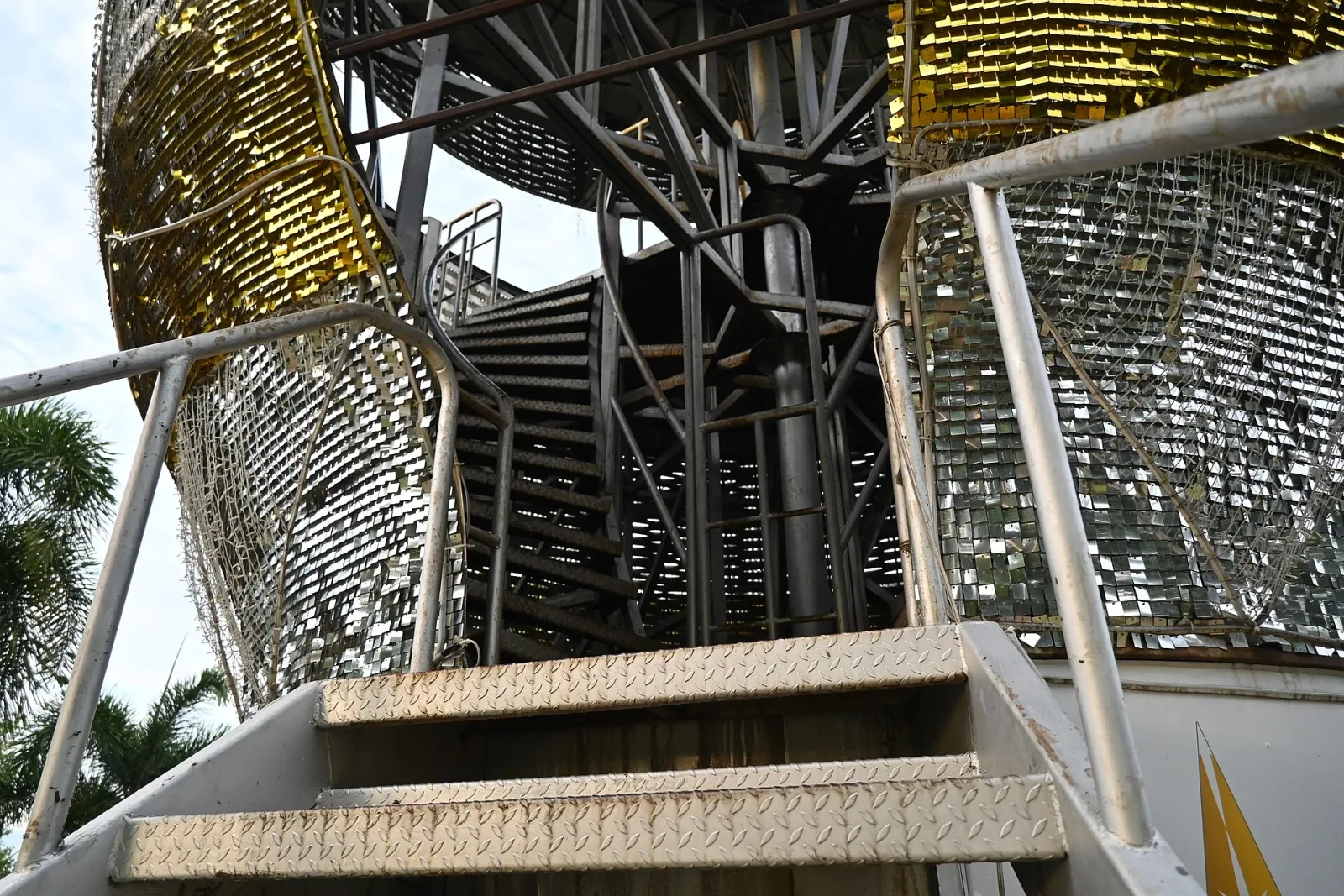
Wat Nong Wang sits right on the southern edge of Bueng Kaen Nakhon, dominated by Phra Mahathat Kaen Nakhon—a nine-storey stupa that draws on Phra That Phanom and Lao chedi influences and was completed in the 1990s. Each storey's interior is decorated with murals: provincial history on the lower levels, scenes from the Buddha's life higher up. The climb to the top rewards with panoramic views of the lake, the university campus spreading green, and the downtown high-rises marking the commercial center. The grounds offer meditation areas and gardens where monks and visitors escape the city's heat, and the temple functions as an active religious site rather than a polished tourist attraction.
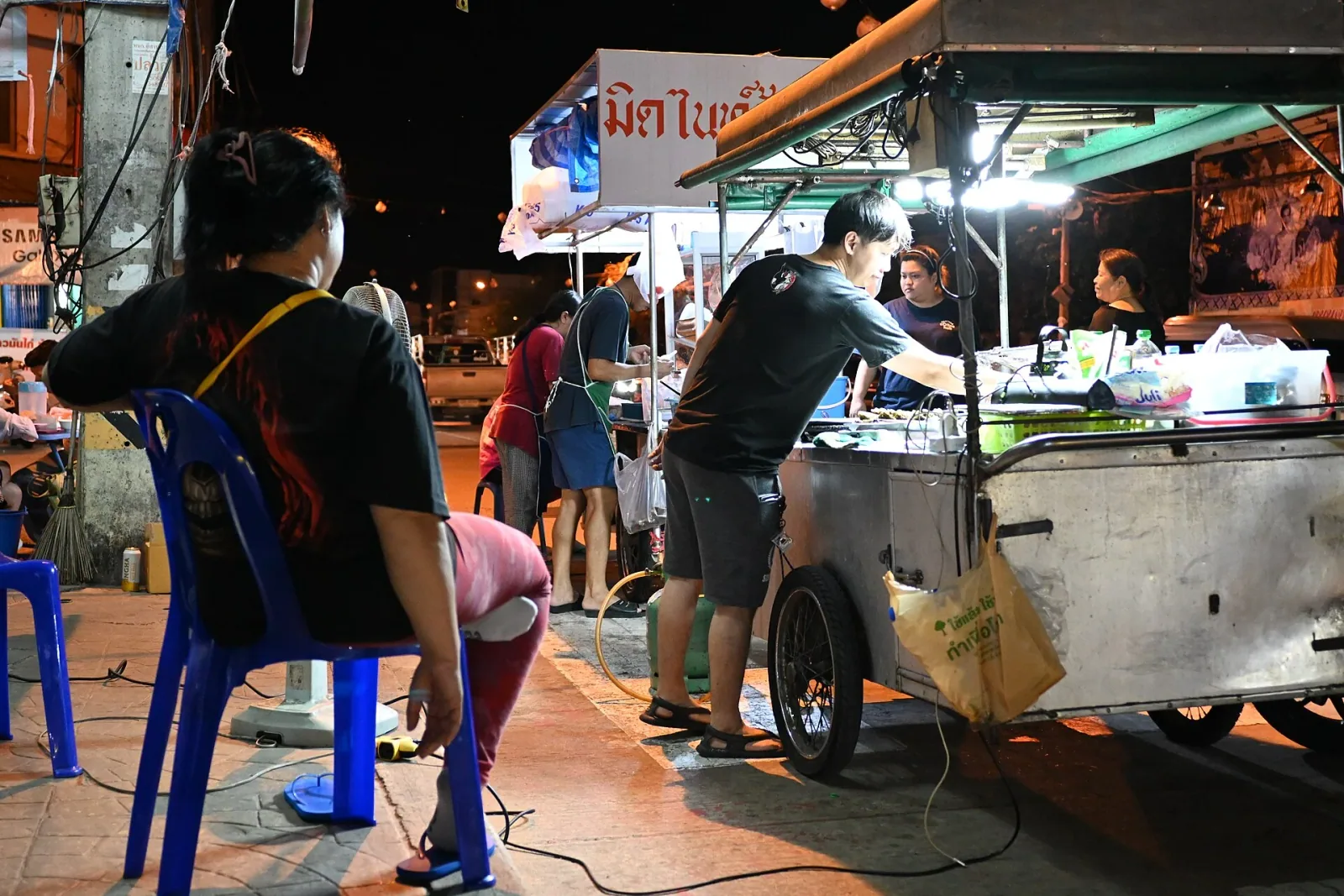
Khon Kaen's food scene reveals the city's dual nature perfectly. Ton Tann Green Market on Mittraphap Road comes alive in the late afternoon and runs into the night, an enormous sprawl of food stalls, fashion vendors, craft shops, and live-music stages. The cooked-food section serves Isan cuisine that hasn't been adjusted for timid palates—som tam arrives properly spicy, grilled fish comes whole with sticky rice, larb (spicy meat salad) carries enough chili to make your eyes water. Full meals cost 40–100 baht, and most vendors speak little English because they're serving locals who know exactly what they want.
Yet blocks away, specialty coffee shops serve pour-overs to students and remote workers, independent cafes offer fusion cuisine that wouldn't be out of place in Bangkok, and international restaurants cater to the university's large foreign student population. This isn't cultural dilution—it's cultural addition. The city doesn't abandon its Isan roots when embracing cosmopolitan flavors; it simply expands its palette. You can eat exceptional traditional Isan food for 50 baht at lunch, then grab craft beer and Korean fried chicken for dinner. Both experiences are equally authentic to modern Khon Kaen. For more on Isan cuisine traditions, see our guide to Thai regional food.
→ Gai yang: Grilled chicken marinated with herbs, garlic, and fish sauce—Khon Kaen's version is considered among Thailand's best
→ Som tam: Spicy papaya salad with numerous variations; local standards are fiery and uncompromising
→ Larb: Minced meat salad with toasted rice powder, lime, and chilies—the quintessential Isan dish
→ Sai krok Isan: Fermented pork sausage with distinctive sour flavor, grilled and served with fresh vegetables
→ Khao niao: Sticky rice, the Isan staple eaten with every meal, rolled into balls and dipped in sauces
Khon Kaen's expat community, while smaller than Bangkok or Chiang Mai, offers surprising diversity. University foreign faculty bring academic credentials and international experience. English teachers staff international schools and language centers. NGO workers focus on regional issues. And increasingly, remote workers discover this under-the-radar option where monthly costs run 25,000–40,000 baht for a comfortable lifestyle—less than half what similar quality of life costs in tourist areas.
The practical infrastructure supports modern life well. Internet is excellent—fiber optic offering 500-1000 Mbps costs just 500-800 baht monthly, rivaling anything in Bangkok. Co-working spaces like The Brick, OM Space, and Hub 53 cater to the growing remote worker population. Healthcare is outstanding: Srinagarind University Hospital provides teaching hospital quality at public hospital prices, while Bangkok Hospital Khon Kaen and Khon Kaen Ram offer private care with English-speaking doctors. Modern condos near the university or Central Plaza rent for 9,000-18,000 baht monthly with pools, gyms, and security. For remote workers, check our guide to working from Thailand.
What Khon Kaen offers that tourist destinations don't is genuine cultural immersion without sacrificing modern comforts. You're not living in an expat bubble—you're integrated into actual Thai life. Your neighbors are university professors and students, not other foreigners. The festivals you attend celebrate local culture, not performances staged for tourists. The markets sell to locals, pricing accordingly. Yet you still have reliable internet, excellent healthcare, quality coffee, and the occasional Western meal when you crave familiarity. It's real Thailand with the rough edges smoothed just enough to make long-term living comfortable.
Accommodation: Modern 1-bedroom condo near university: 9,000-12,000 THB
Utilities: Electric, water, internet (fiber 500 Mbps): 2,000-2,500 THB
Food: Mix of local markets and cafes: 7,000-10,000 THB
Transportation: Motorbike rental + occasional Grab: 2,500-3,500 THB
Gym/fitness: Modern gym membership: 1,000-1,500 THB
Entertainment: Cafes, occasional dining out, activities: 3,000-5,000 THB
Total comfortable lifestyle: 25,000-35,000 THB/month
Khon Kaen University's presence creates an intellectual atmosphere unusual for provincial Thailand. Art galleries display contemporary work, independent bookshops stock English titles, film screenings show international cinema, and cultural lectures happen regularly—often open to the public and sometimes in English. The university's roughly 5,500-rai campus (around 880 hectares) features museums, the Bueng Si Than reservoir, and cafes where students and faculty discuss everything from quantum physics to Thai politics. This academic energy attracts progressive Thais and creates a more cosmopolitan environment than the city's size would suggest.
Khon Kaen Airport offers multiple daily flights to and from Bangkok's Don Mueang and Suvarnabhumi airports, operated by AirAsia, Nok Air, and Thai Lion Air. Flight time runs about an hour, with prices ranging from 800-2,500 baht depending on booking time. The airport sits just 10 kilometers from the city center—a taxi costs 200-300 baht, or you can grab a songthaew for considerably less if you're traveling light. For those who prefer overland travel, overnight trains depart Bangkok's Krung Thep Aphiwat Central Terminal (Bang Sue Grand), which replaced Hua Lamphong as the main long-distance hub in 2023, with second-class sleepers costing 500–800 baht for the 8–9 hour journey that delivers you to Khon Kaen in the morning. VIP buses from Mo Chit Terminal take 6-7 hours for 400-600 baht, while driving yourself via Highway 2 (Mittraphap Road) covers 450 kilometers in 5-6 hours on well-maintained toll roads.
Within the city, Grab works excellently—typical cross-town rides cost 60-120 baht, and the service is reliable and affordable. Many expats and longer-term visitors rent motorbikes at 200-300 baht daily or 2,500-4,000 baht monthly, as the city is easy to navigate and traffic is lighter than Bangkok. Songthaew shared pickup trucks run fixed routes for 10-15 baht, though figuring out the system takes local knowledge or patient trial and error. The flat terrain makes cycling viable, and the lake circuit offers an excellent recreational route. For transportation tips throughout Thailand, see our guide to driving in Thailand.
Khon Kaen experiences typical Isan climate with distinct seasons that shape when to visit. November through February brings the cool season—18-28°C with pleasant days and cool mornings, occasionally cool enough in December and January that you'll appreciate a light jacket in the evenings. This is objectively the best time to visit, when outdoor activities are comfortable and the annual Silk & Phuk Siao Festival (November-December) celebrates traditional textile crafts with fashion shows, craft demonstrations, and cultural performances that draw visitors from across Thailand.
The hot season from March through May pushes temperatures to 32-40°C, with April peaking at a brutal 38-42°C. High humidity makes it feel even hotter, and locals wisely avoid midday outdoor activities. Songkran in mid-April brings water festival relief, when the entire city engages in massive water fights that transform streets into battle zones. The rainy season from June through October features afternoon thunderstorms that are typically brief, cooling temperatures to 28-33°C and turning the countryside lush green. September sees the heaviest rainfall. This period offers lower prices and fewer crowds if you don't mind occasional downpours.
"Khon Kaen offers something increasingly rare in modern Thailand—genuine cultural immersion without sacrificing modern comforts, real Thai life at prices that make long-term living not just possible but comfortable."
Khon Kaen works beautifully for certain types of travelers and expats while being entirely unsuitable for others. If you're seeking pristine beaches, resort luxury, or tourist infrastructure, look elsewhere—this isn't that kind of place. But if you're an English teacher looking for a livable city with job opportunities, a remote worker wanting authentic Thailand with modern internet, a digital nomad tired of expat bubbles, or someone genuinely interested in Isan culture beyond surface tourism, Khon Kaen offers something special.
The university creates an educated, cosmopolitan atmosphere that attracts progressive Thais and makes cultural exchange easier. The cost of living—roughly half what you'd pay for similar quality in Chiang Mai or Bangkok—makes extended stays financially viable. The food scene spans from exceptional traditional Isan cuisine to international options that satisfy diverse cravings. Healthcare quality rivals major cities at lower prices. Internet infrastructure supports remote work seamlessly. And crucially, you're living in a city that exists for Thais rather than tourists, creating authenticity that's increasingly difficult to find elsewhere in Thailand.
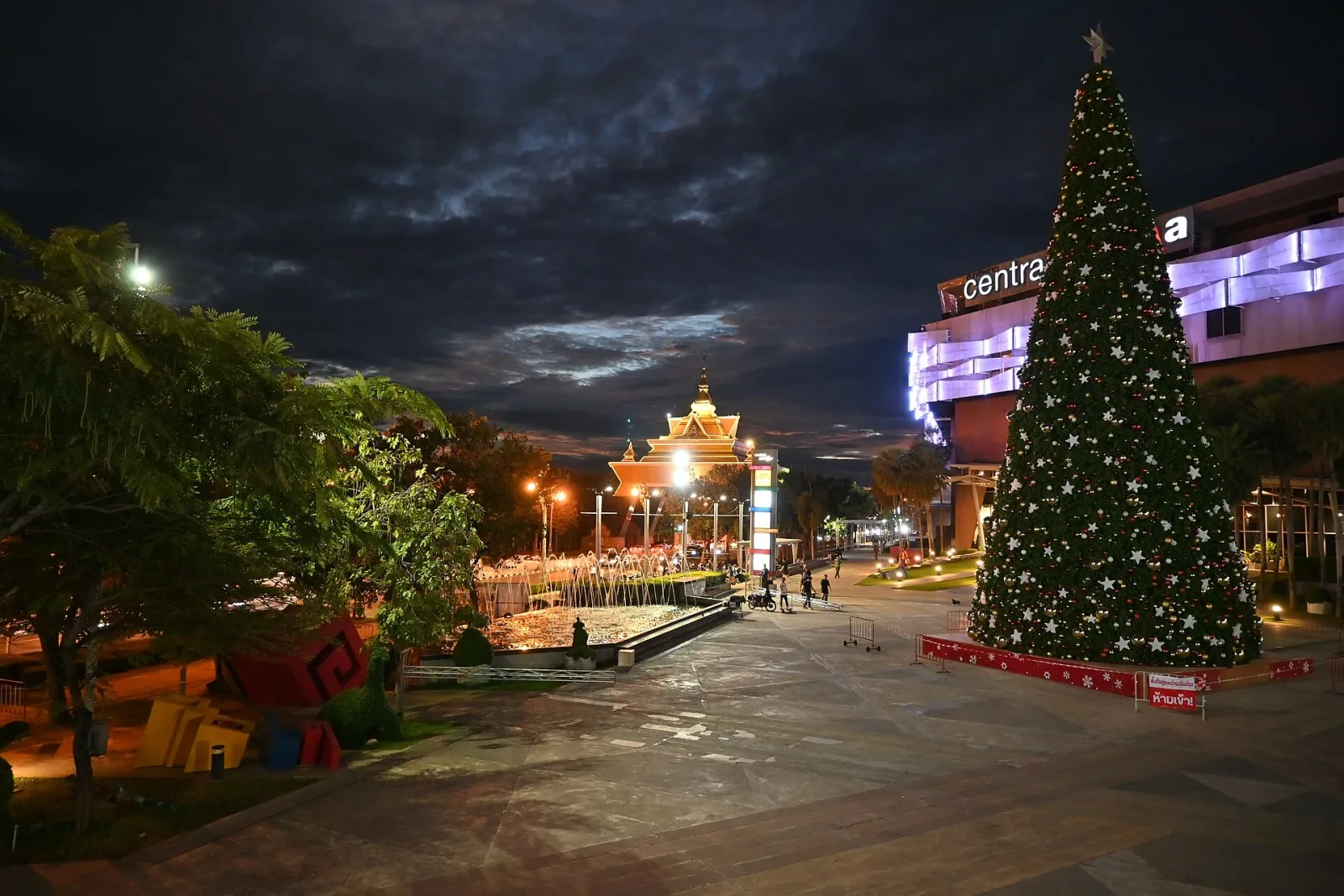
The Saturday Walking Street on Na Soon Rachakarn Road in the city centre runs from late afternoon to around 10pm, with hundreds of vendors selling handicrafts, clothing, local products, and every Isan specialty imaginable. Live music stages and cultural performances create a bustling atmosphere that's popular with locals and the small expat community alike. It's similar to Chiang Mai's famous walking streets but less touristy, more authentic, and considerably more affordable. You'll sample genuine Isan culture rather than versions packaged for foreign consumption.
Nearby destinations add appeal for those using Khon Kaen as a base. Udon Thani sits roughly 115 kilometres north, gateway to the Ban Chiang archaeological site and the Laos border at Nong Khai. Nakhon Ratchasima (Korat) lies about 190 kilometres south on the Mittraphap highway, the most populous Isan city and a jumping-off point for Khao Yai National Park. The silk weaving village of Chonnabot, just 30 kilometres west, offers workshop tours where you can watch traditional matmee patterns emerge on hand looms. And for the adventurous, Phu Wiang National Park and its dinosaur museum—about 90 kilometres northwest—showcases the original Thai discoveries of Siamotyrannus isanensis and Phuwiangosaurus sirindhornae. Khon Kaen works as both a destination and a strategic base for exploring northeastern Thailand's culture, history, and natural beauty. The lake still glows at sunset, vendors still grill perfect gai yang, and students still debate the future of Thailand over iced coffee. Khon Kaen remains itself—which might be exactly what you're looking for.
Population
~1.8 million (province)
Language
Thai, Isan dialect (Lao-influenced)
Best Time
November-February (cool season)
Getting There
Khon Kaen Airport → daily Bangkok flights
Distance from Bangkok
450km (5-6 hours drive, 8-9 hours train)
Best For
English teachers, remote workers, university faculty, culture enthusiasts, budget-conscious expats seeking authentic Thailand with modern amenities
Silk & Phuk Siao: Traditional textile festival with fashion shows and craft demos (Nov-Dec)
Songkran: Thai New Year water festival, city-wide water fights (mid-April)
Saturday Walking Street: Weekly pedestrian market on Na Soon Rachakarn Road, Saturday late afternoon to ~10pm