Provinces
🌿Nakhon Nayok Province
Nature, Rivers, and Peaceful Escape
Nature, Rivers, and Peaceful Escape
The water comes at you in stages. First you hear it—a distant roar from somewhere in the jungle canopy. Then you see it through the trees, white against green, falling tier after tier down the flank of the Sankamphaeng Range. By the time you reach the lowest pool at Sarika Waterfall, the mist has already soaked your shirt, and Bangkok feels like it belongs to a different country entirely, though you've only driven two hours.
This is how most people discover Nakhon Nayok Province—as a weekend escape, a place to cool off in jungle pools and sleep to the sound of the river. But some never leave. I've met digital workers who came for three days and signed year-long bungalow leases. Photographers who moved here for the light. Retirees who wanted nature without the tourist infrastructure of Chiang Mai or the crowds of Krabi.
At just 2,122 square kilometers, Nakhon Nayok is one of Thailand's smallest provinces. What it lacks in size it makes up in water—the Nakhon Nayok River drops out of the southern edge of Khao Yai, feeding dozens of waterfalls and filling Khun Dan Prakan Chon Dam, one of the longest roller-compacted concrete dams in the world. The province sits about 105km northeast of Bangkok, close enough for weekend escapes but far enough to feel genuinely remote.
"You meet expats in Nakhon Nayok who've never posted about it online. They found their quiet corner and they're keeping it that way."
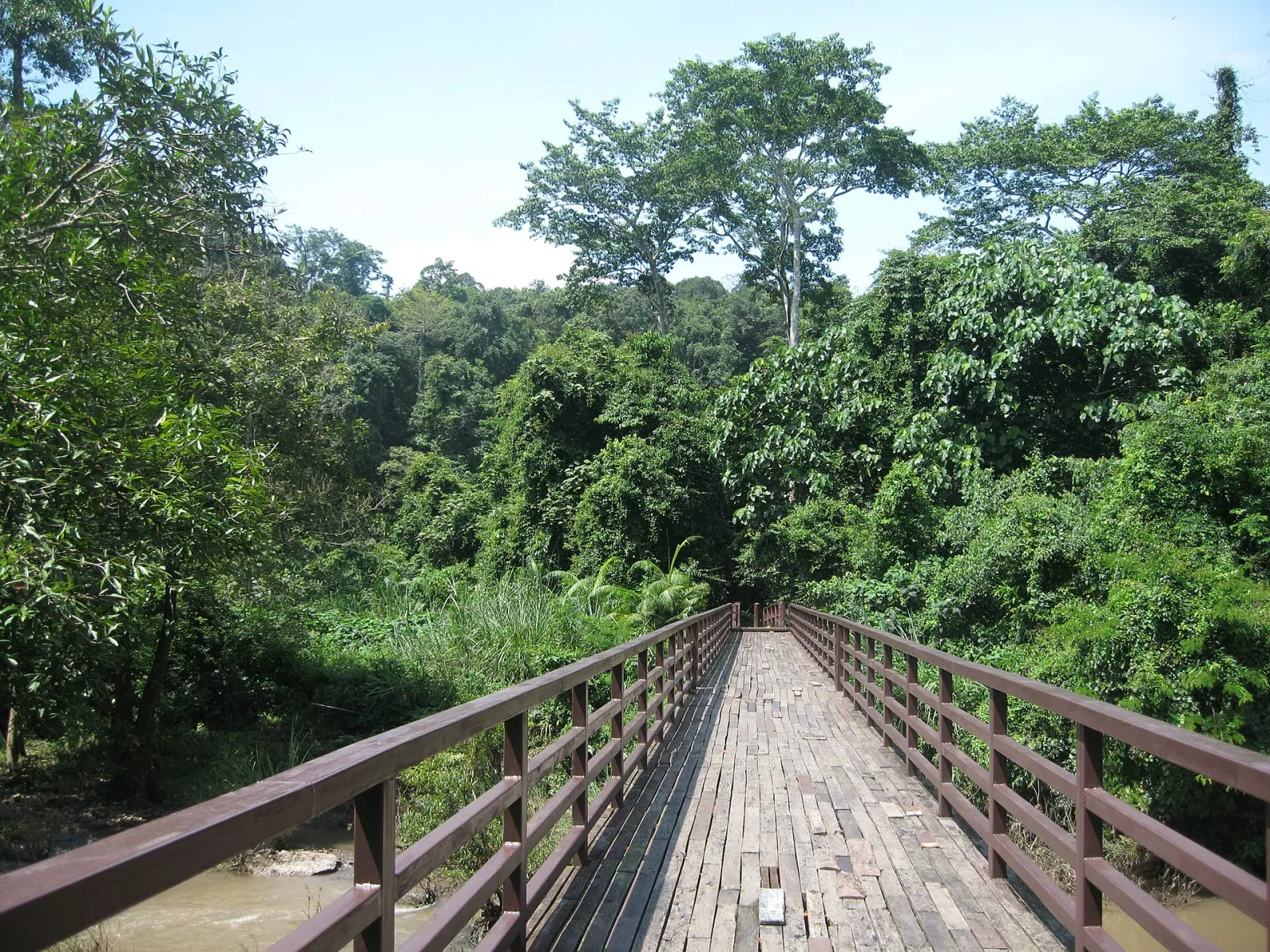
The province's two signature falls are Sarika and Nang Rong, both inside Khao Yai National Park on the Nakhon Nayok side. Sarika tumbles down roughly nine tiers through dense jungle, with the lower pools easily accessible and the upper levels asking for a short scramble. Nang Rong is squatter and steeper—three main drops fed by the headwaters of the Nakhon Nayok River, with a broad swimming pool at the base that fills with Thai families on weekends.
Water flow depends on season. The rainy months from June through October bring the most dramatic conditions, with peak flow usually in September. By March, several smaller cascades slow to a trickle. Sarika and Nang Rong run year-round, fed by the Khao Yai watershed, but plan a wet-season visit if you came for the roar.
Beyond the main waterfall, smaller cascades hide throughout the province's national parks. Ask at your guesthouse—locals know swimming holes that never appear in guidebooks. Some require a short hike, others you can drive to. The best ones have rope swings and limestone pools that stay cold even in May.
Khao Yai National Park is Thailand's oldest and most famous wildlife reserve, and a chunk of its southern flank lies inside Nakhon Nayok province. The main visitor centre, headquarters, and the big-name falls (Haew Narok, Haew Suwat) sit on the Pak Chong side and take two-plus hours to reach, but the Nang Rong gate on the Nakhon Nayok side is closer—about 25-30km from town—and the southern forest is quieter for trekking. Tour operators in town run early morning departures to catch elephants and gibbons, and night drives that often turn up sambar, porcupine, and civet.
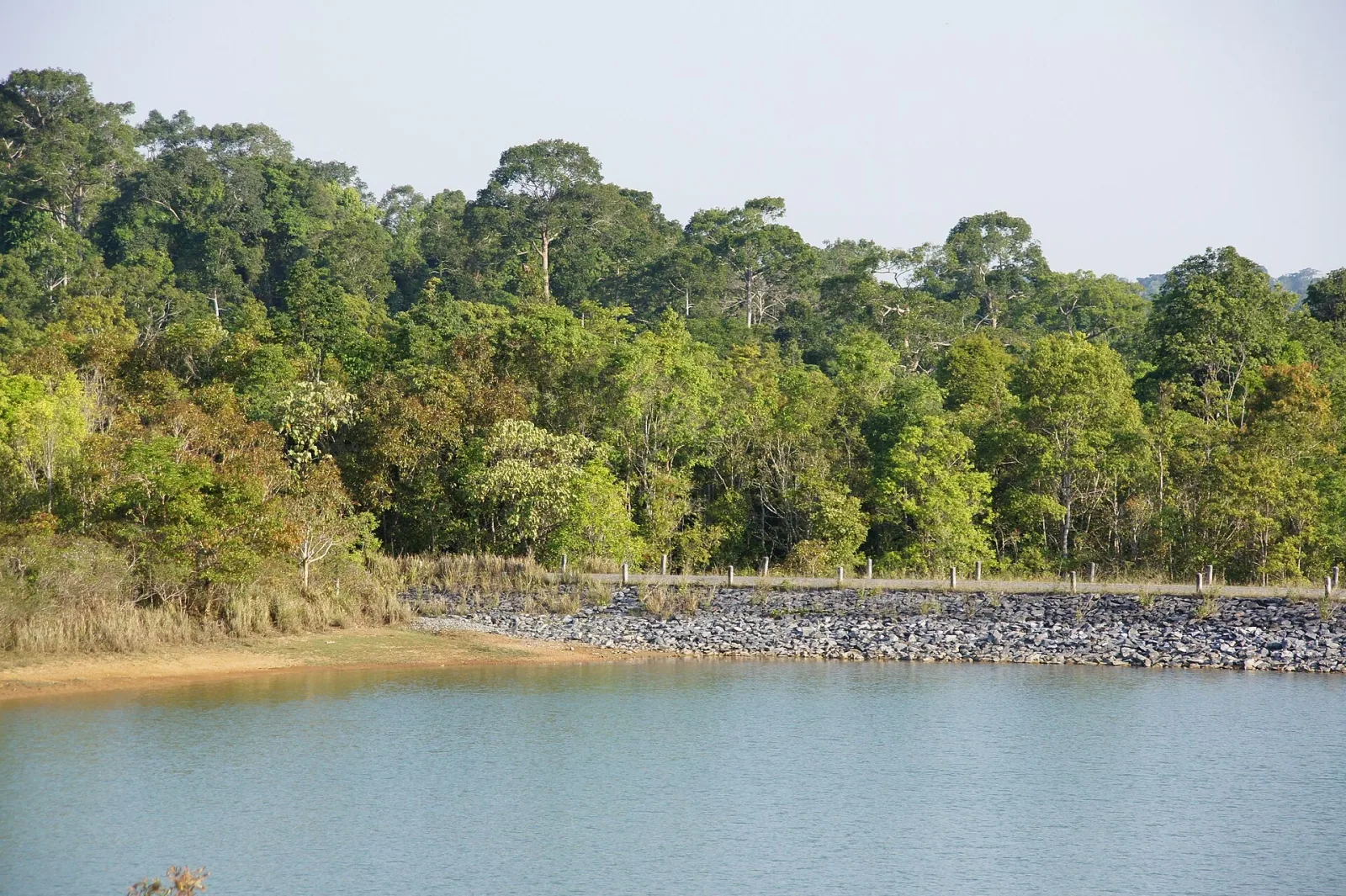
Closer to town, Khun Dan Prakan Chon Dam holds back the Nakhon Nayok River behind a 2.6km roller-compacted concrete wall—one of the longest of its kind in the world when it was completed in 2005. The reservoir is open to the public for picnics, kayaking, and the long walk across the dam crest, with the Khao Yai foothills as the backdrop. Wang Takhrai, a privately run riverside park nearby, is a popular weekend escape with swimming pools fed from the stream and shaded picnic lawns.
From roughly July through October the river runs fast enough for white-water rafting. Tour operators cluster around the Ban Tha Dan area below Khun Dan Dam and the Nang Rong stretch upstream, offering everything from one-hour splashes to full-day adventures. Rapids reach Class III at peak flow—enough to get your heart rate up without requiring expert skills. Guides handle most of the technical work while you focus on not falling out.
By February the water drops and the rafting season closes for another year. But the river remains central to local life. Night markets in town feature grilled river fish—pla tod served whole with som tam and sticky rice—and roadside stalls sell the province's signature marian plum (ma-yong-chid) in season. Prices stay low because tourists remain scarce.
Riverside communities maintain traditional practices that have largely disappeared in more developed provinces. You'll see fishing nets strung across slower sections of water, bamboo fish traps checked daily, floating gardens where vegetables grow in buoyant soil beds. These aren't museum pieces—they're working farms producing food for local markets.
The typical expat setup in Nakhon Nayok runs about 26,700 THB monthly, though you can go lower if you eat exclusively local food and skip organized tours. A riverside bungalow with air-con and hot water costs 10,000 baht, leaving plenty for everything else. Utilities rarely exceed 1,200 THB even with air-con running most nights.
Food costs depend entirely on your eating habits. Street food meals run 30-60 THB, local restaurants 50-100 THB, riverside places with better atmosphere 100-200 THB. Allocate 8,000 THB monthly and you'll eat well without cooking much. Markets sell tropical fruit at prices that make Bangkok seem expensive—30-60 THB per kilo for mangosteen, rambutan, even durian in season.
Transportation costs stay minimal. Rent a scooter for 3,000 THB monthly or pay as you go at 100-150 THB daily. Most attractions sit within 20km of town. Gas costs maybe 500 THB monthly for casual riding. Weekend trips to Khao Yai add another 1,000-1,500 THB if you join group tours, less if you drive yourself.
Buses leave Bangkok's Northern Bus Terminal (Mochit) every 30-60 minutes, taking 2-2.5 hours and costing 80-120 THB. Minivans (150 THB) run more frequently and drop you closer to guesthouses. Driving from Bangkok takes the same time via Highway 33—rental cars start at 600 THB daily.
Within town, tuk-tuks charge 30-80 THB for cross-town trips. Songthaews (shared trucks) follow set routes for 20-40 THB. Motorcycle rental makes the most sense for exploring—you'll need wheels to reach the best swimming holes and trailheads.
The small expat community (estimated 300-500 people) means limited English and few international services. This appeals to people actively seeking authentic Thai experience rather than expat infrastructure. You won't find coworking spaces, imported food aisles, or English-language social clubs. What you will find is locals who remember your face after two visits, guesthouses that feel like family homes, and riverfront restaurants where the owner's grandmother still cooks.
Remote workers make it work despite patchier infrastructure outside the town centre. Fiber connections in Mueang Nakhon Nayok and the larger riverside villages (3BB, AIS, True) deliver 300 Mbps to 1 Gbps for around 400-700 THB monthly—solid for video calls and large uploads. Coverage thins out fast on the dirt roads toward the dam and the park gates, so most people maintain a 4G/5G backup from AIS or True (the True-DTAC merger completed in 2023, so DTAC SIMs now run on the combined network). If your work requires rock-solid connectivity at a remote bungalow, scout the address first.
Healthcare follows similar patterns—adequate for routine needs but limited for specialists. Nakhon Nayok Hospital handles basic care at low cost (200-400 THB consultations). Serious conditions require the two-hour drive to Bangkok. Most expats maintain health insurance and relationships with Bangkok hospitals for anything beyond minor issues.
"I came for a weekend and stayed six months. Turns out I didn't need the coffee shops and expat meetups as much as I thought I did. Just the river and WiFi fast enough for Zoom."
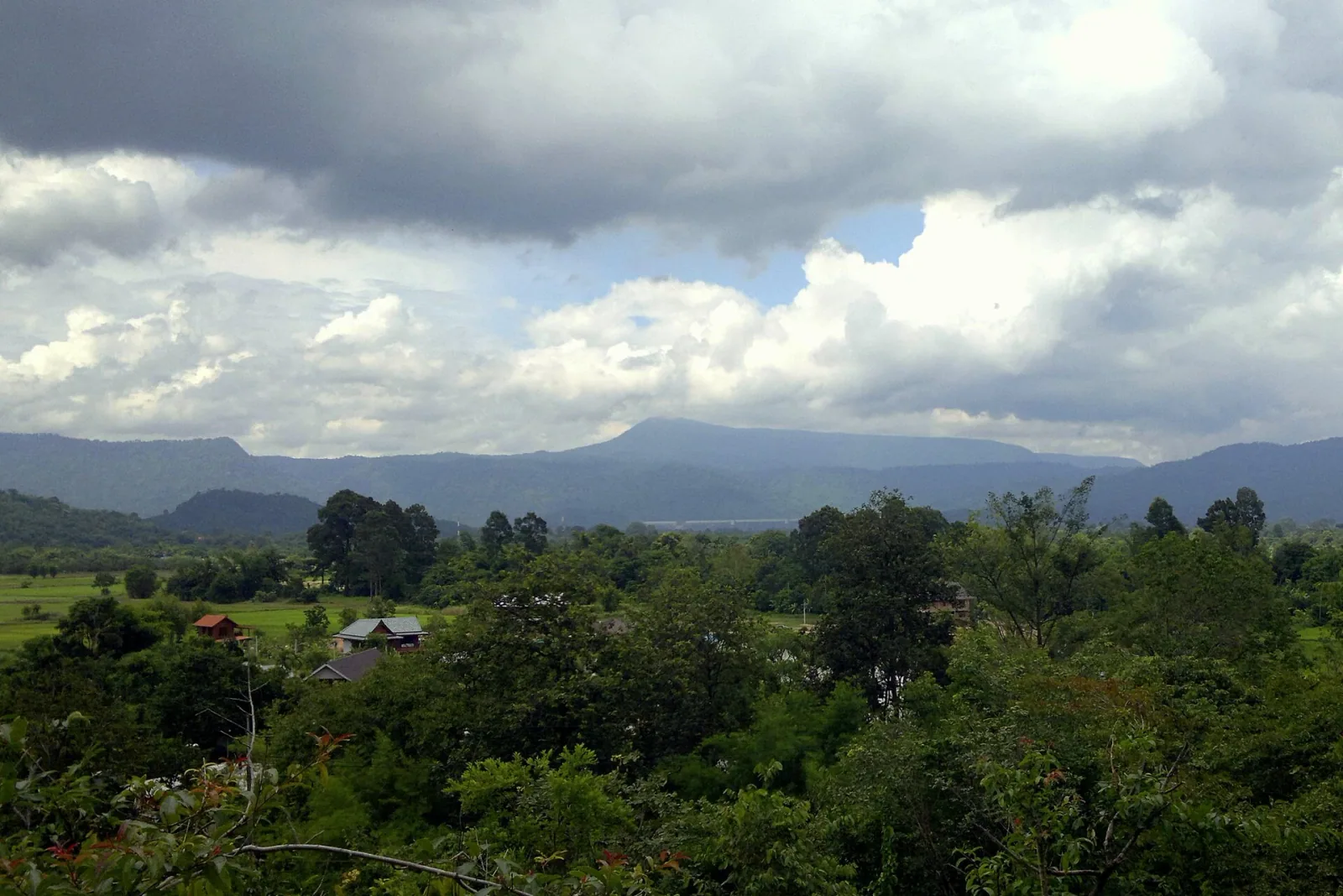
The provincial identity is shaped by the Chulachomklao Royal Military Academy (CRMA), which has occupied a vast green campus south of town since the 1980s. The grounds aren't a tourist attraction in the conventional sense, but the perimeter parks, parade route, and surrounding cafes give the area a quiet, orderly feel that's unusual for provincial Thailand. Cadet parents and graduation visitors keep a steady trickle of hospitality business going year-round.
Buddhist practice remains visible throughout the province. Wat Chulapornwanaram, a royal monastery built on land adjoining the CRMA campus, is the standout—a quiet, well-kept temple where you're welcome to observe morning alms rounds or sit in the meditation pavilions. Smaller riverside wats dot the road upstream toward Khun Dan Dam.
For an easier day out, the cluster of private resorts and adventure parks around Wang Takhrai and Nang Rong offer zip lines, canopy walks, and tree-house accommodation. Families and Bangkok weekend groups fill them on Saturdays; weekdays are quiet. Long-term expats tend to skip them in favour of the less-developed jungle trails on the Khao Yai side.
November-February (Cool Season): Perfect weather (18-28°C), clear skies, best for hiking and outdoor activities. Peak season means busy weekends and advance booking recommended for riverside accommodations.
March-May (Hot Season): Intense heat (35-40°C) makes midday activities challenging. Water levels drop in waterfalls. Lower prices and fewer tourists. Morning and evening hours still pleasant.
June-October (Rainy Season): Afternoon thunderstorms, green landscapes, waterfalls at peak flow. Morning sunshine common before clouds build. Best value season with lowest prices and spectacular nature. Hiking trails can be muddy.
Most Thailand expat destinations follow predictable patterns—either beach towns with established tourist economies or northern cities with coworking spaces and coffee culture. Nakhon Nayok fits neither category. You're not joining an existing expat community so much as creating your own routine in a place where rivers and waterfalls still dictate the rhythm of life.
The province sits close enough to Bangkok (~105km, two hours) that you can maintain connections to urban services while living surrounded by jungle. Need a visa run? Weekend trip to the capital handles it. Serious medical issue? Bangkok's international hospitals are accessible. Miss imported food? Stock up on essentials every few weeks. But day-to-day life stays grounded in small-town Thailand.
This proximity-without-integration appeals to specific people—those who've already done the expat community thing in Chiang Mai or Bangkok and found it too insular. Remote workers who want WiFi and waterfalls, not networking events. Retirees seeking nature and low costs without complete isolation. Photographers and writers who need solitude more than society. It's a self-selecting group.
Monthly Budget
Getting There
From Bangkok
Bus from Mochit Terminal every 30-60 min (80-120 THB, 2-2.5 hours). Minivans 150 THB. Drive via Highway 33.
Local Transport
Motorcycle rental essential (100-150 THB/day). Tuk-tuks 30-80 THB. Songthaews 20-40 THB.
Who It's For
Good Match
Nature photographers, weekend escapers from Bangkok, remote workers seeking peace, budget travelers, outdoor enthusiasts, those wanting authentic Thailand
Poor Match
Digital nomads needing reliable fast WiFi, those wanting expat community, nightlife seekers, people requiring international services
Nearby Destinations
Khao Yai National Park
Nang Rong gate ~30km / Pak Chong HQ ~110km
Bangkok
~105km, 2 hours
Saraburi Province
~60km, temples and caves
Ayutthaya
~90km, 2-2.5 hours, UNESCO site