Provinces
🌏Nakhon Phanom Province
Thailand's Mekong River Gateway to Laos
Thailand's Mekong River Gateway to Laos
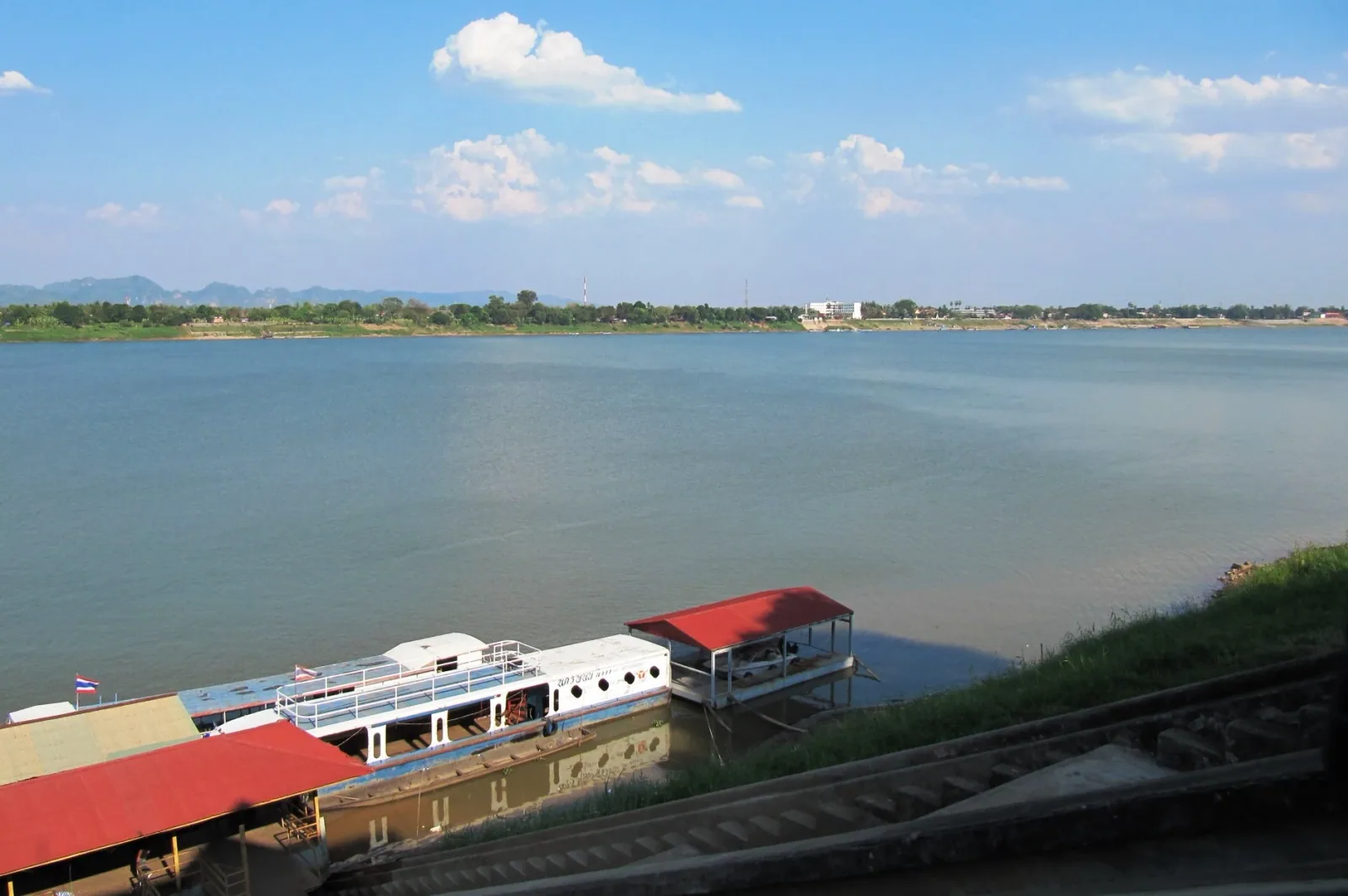
Stand on the riverside promenade in Nakhon Phanom City at sunset, and Laos is right there—not as an abstraction on a map, but as a tangible presence across the water. You can see the mountains rising on the far bank, villages with cooking fires starting to glow, boats moving between the countries. The Mekong River flows wide and muddy here, sometimes serene, sometimes churning, always serving as both barrier and connection between two nations that share more than they differ.
This is Thailand's defining characteristic in Nakhon Phanom Province—its position on the international border. Unlike most Thai provinces where "near Laos" means several hours of driving through rice paddies, here the border is immediate. The provincial capital sits directly on the riverbank, its economy and culture shaped by centuries of cross-river trade, migration, and cultural exchange. For expats seeking something genuinely different from the well-worn Bangkok-Chiang Mai-Islands circuit, this riverside province offers a Thailand most foreigners never see.
Nakhon Phanom Province covers around 5,512 square kilometres of northeastern Thailand, home to roughly 710,000 people most engaged in agriculture and river commerce. The provincial capital—also called Nakhon Phanom—is a compact riverfront town where Sino-Thai shophouses, a handful of European-influenced civic buildings from the Rama V era, and modern concrete construction sit alongside each other. Thailand was never colonised, but the architecture across the river in French Indochina filtered back into local building styles, giving the old town a distinctive look.
"Unlike most Thai provinces where 'near Laos' means several hours of driving, here the border is immediate. You can literally see Laos from your morning coffee shop."
What drew me to Nakhon Phanom initially was the promise of cheap visa runs to Laos. What kept me here was the realization that this border location creates an entire lifestyle unavailable elsewhere in Thailand. The Mekong isn't just scenery—it's a daily presence that shapes how people live. Fishermen work the river at dawn. Ferries shuttle back and forth carrying everything from motorcycle parts to families visiting relatives. The international border creates economic opportunities and cultural fluidity that feel nothing like Thailand's interior provinces.
The expat community here is tiny—a few dozen foreigners at any given time—and nearly all are here specifically because of the Laos connection. Some are doing frequent visa runs and have chosen to base themselves where crossing the border takes a short ride over the Friendship Bridge instead of a day's journey. Others are exploring business opportunities in cross-border trade. A few are married to locals from either side of the river. What they share is a comfort with being genuinely off the beaten path, where English is rare, international amenities don't exist, and you navigate daily life through a mix of basic Thai, translation apps, and good humour.
The cost of living in Nakhon Phanom is among the lowest in Thailand. You can rent a decent one-bedroom apartment in the city centre for 6,000–8,000 baht monthly. Street food meals cost 30–50 baht. A month's scooter rental runs around 2,000–2,500 baht. Total monthly expenses for a basic but comfortable lifestyle—including rent, food, transport, utilities, and occasional entertainment—can easily stay around 20,000 baht. For remote workers with Western incomes or retirees on fixed budgets, the financial equation here is extraordinarily favourable.
Tourism infrastructure barely exists in Nakhon Phanom, which is either the problem or the appeal depending on what you're seeking. There are no tour companies hawking elephant rides, no hostels full of backpackers, no Irish pubs or German bakeries. What there is: genuine Thai provincial life happening around you, indifferent to foreign observers.
The riverside promenade is the city's heart—a beautifully maintained waterfront park where locals exercise at dawn, families gather at sunset, and you can watch the Mekong's moods change with the weather. The promenade stretches several kilometers, lined with food vendors in the evening and offering unobstructed views across to Laos. On clear days, you can pick out individual buildings in the Laotian towns across the water. During the rainy season, the river rises dramatically, sometimes spilling over its banks and flooding low-lying areas.
Wat Phra That Phanom, in That Phanom district about 50 kilometres south of the city, is the province's defining attraction and one of the most important Theravada stupas in the Mekong region. Pilgrims from both Thailand and Laos come for the chedi's gilded spire and the relic of the Buddha tradition holds it contains. Wat Phra That Renu Nakhon, a pretty Lao-style sanctuary further north toward the city, was rebuilt in 1918 in deliberate echo of Phra That Phanom and is the easier visit for those staying in town. During major Buddhist holidays both fill with food stalls, traditional Phu Thai dancing, and monks chanting blessings late into the night.
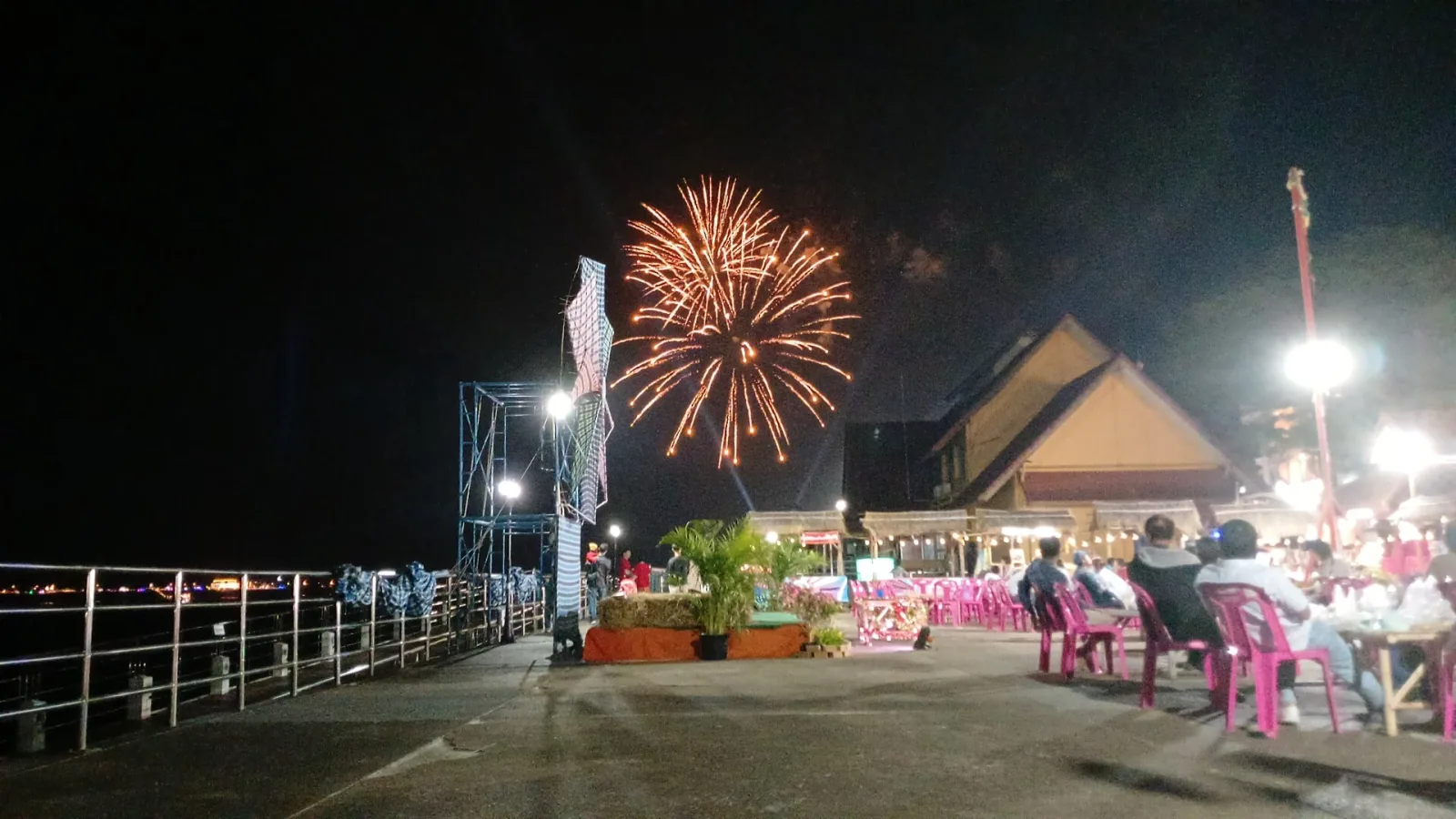
Nakhon Phanom is also famous for the Lai Reua Fai illuminated boat procession, held every October at the end of Buddhist Lent (Awk Phansa). Bamboo-framed boats draped in flickering lights and floating offerings are launched onto the Mekong after dark, drawing tens of thousands of spectators along the riverside promenade. Less well known but worth seeking out is the Ho Chi Minh House and memorial in Ban Na Chok village, where the future Vietnamese leader lived briefly in the late 1920s and which now serves as a small museum maintained jointly by Thai and Vietnamese authorities.
The European-influenced civic buildings around the old town—faded but elegant structures with shuttered windows and high ceilings—make for a pleasant unhurried wander. Walking tours aren't organised or marketed; you simply drift through the old streets near the river and pick them out among more recent construction.
The standard crossing is the Third Thai-Lao Friendship Bridge, opened in November 2011 and located about 11 kilometres south of the city. A scheduled cross-border shuttle bus runs between the Nakhon Phanom bus terminal and Thakhek, Laos, several times a day for around 70–100 baht; private taxis to the bridge are also straightforward. Foot crossings aren't permitted—you ride across. The old passenger ferries from the city pier no longer operate for foreign travellers.
Most nationalities can obtain a Lao visa on arrival at the bridge for around US$30–40 (passport photo and small overstay/holiday surcharge sometimes apply). The Lao eVisa is generally not accepted at this specific crossing, so apply for visa-on-arrival in person rather than online. The Lao consulate in Khon Kaen issues full visas in advance if you prefer. Many expats make this crossing every 30–60 days for visa purposes, spending a night or two in Thakhek before returning.
Beyond visa logistics, crossing to Laos offers a completely different atmosphere—even more laid-back than Nakhon Phanom, with French-influenced baguettes and coffee, riverside guesthouses, and easy access to the Khammouane karst caves an hour out of town. For more information on managing your Thai visa, see our comprehensive visa guides.
The dominant culture in Nakhon Phanom isn't quite Thai and isn't quite Lao—it's Isan, that distinctive northeastern Thai identity that shares more with Laos than with Bangkok. The local language is primarily Isan dialect, which is essentially Lao with Thai vocabulary mixed in. Older residents speak pure Lao. Central Thai is understood but not the first language for most people here.
Food culture reflects this Isan-Lao identity intensely. Som tam (green papaya salad) appears in countless variations, each vendor claiming their particular balance of chilies, lime, palm sugar, and fermented fish sauce as the authentic version. Sticky rice isn't a side dish here—it's the foundation of every meal, served in small woven baskets and eaten by hand, rolled into balls and used to scoop up fiery salads, grilled meats, and rich stews. The local markets overflow with ingredients rarely seen in central Thailand: pungent fermented fish pastes, wild-foraged greens, river snails, bamboo shoots, and chilies that range from merely hot to genuinely punishing.
If you're expecting international food options, adjust those expectations immediately. Nakhon Phanom is almost exclusively Thai-Isan-Chinese fusion with very occasional basic Western dishes at a handful of hotels catering to the few tourists who pass through. But if you're willing to embrace local food culture—or cook for yourself using incredibly cheap market ingredients—the culinary experience here is authentic and delicious in ways that tourist-focused Thai restaurants can never match. For more on adapting to Isan food culture, check our guide to Thai cultural traditions.
Let's be direct about what works and what doesn't in Nakhon Phanom. Internet infrastructure is adequate for remote work—fibre connections in the city centre from AIS Fibre, 3BB, and True typically deliver 300 Mbps and up for 500–700 baht monthly, sufficient for video calls and digital work. Mobile data through AIS or True provides reliable 4G/5G coverage throughout the city and decent coverage in surrounding areas. Electricity is generally stable, though occasional outages happen during severe storms.
Healthcare exists at a basic provincial level. The main government hospital handles routine medical issues, accidents, and common illnesses. But serious medical emergencies require evacuation to Udon Thani (a 3-hour drive west) or onward to Bangkok. There are no international hospitals, no English-speaking doctors readily available, no advanced diagnostic equipment. Travel insurance with medical evacuation coverage isn't optional here—it's essential. For routine issues—a cold, a cut requiring stitches, basic dental work—the local facilities are fine and remarkably inexpensive. Anything beyond that, and you're travelling.
Transportation to and from Nakhon Phanom is easier than the province's remote reputation suggests. Nakhon Phanom Airport (KOP), about 15 km west of the city, has daily direct flights to and from Bangkok Don Mueang on Thai AirAsia and Thai Lion Air (roughly an hour in the air, fares from around 1,000 baht when booked ahead). Direct buses also run from Mo Chit Bus Terminal in Bangkok (10–11 hours, 500–800 baht for VIP service); the train line doesn't reach Nakhon Phanom, so for rail you'd alight at Udon Thani and take a van east.
Within the city, a scooter is essential. Monthly rentals run roughly 2,000–2,500 baht and the city is small enough that you can reach anywhere within 10–15 minutes. Red songthaews (shared pickup trucks) run main routes for 15–30 baht, but services are infrequent and routes limited. Grab exists here but with very few drivers—don't count on it. Walking works for the riverside area and immediate downtown, but distances quickly become impractical without motorised transport. For exploring temples, mountains, and rural areas outside the city, having your own wheels transforms the experience from frustrating to liberating.
Most rentals in Nakhon Phanom aren't listed online. The best approach is arriving with a hotel booking for a few nights, then walking neighborhoods looking for "ห้องเช่า" (rooms for rent) signs. Ask at local real estate shops near the market or city center. Guesthouses often know of longer-term rentals or can facilitate monthly rates.
Facebook groups like "Nakhon Phanom Community" occasionally list rentals and can connect you with locals who speak some English. Negotiations happen in person, usually in Thai. Bring a Thai-speaking friend if possible, or use translation apps. Six-month leases often result in reduced rates. Deposits typically equal one month's rent.
Climate follows the typical Isan pattern. Cool season (November-February) offers the best weather—pleasant temperatures ranging from 16-28°C, clear skies, comfortable conditions for exploring. December and January can actually feel cold by Thai standards, with mornings requiring a light jacket. This is peak season for any visitors who do come, and it's ideal for arrival or extended exploration.
Hot season (March-May) brings intense heat—35-38°C daily, sometimes higher. The sun is punishing, air shimmers with heat, and outdoor activity becomes genuinely uncomfortable. Water shortages occasionally affect rural areas. Agricultural burning in surrounding provinces sometimes impacts air quality. Many people who can afford it spend afternoons indoors with air conditioning. This is not the time to arrive for your first visit.
Rainy season (June-October) features afternoon and evening thunderstorms, lush green landscapes, and the Mekong River rising dramatically. Temperatures moderate to 25-32°C, more bearable than the hot season. Flooding can temporarily affect low-lying areas, especially in September and October when rainfall peaks. The river becomes swollen and powerful, its character completely transformed from the dry season. Accommodation prices drop, tourist numbers (already minimal) disappear entirely, and you have the place essentially to yourself.
"Nakhon Phanom appeals to truly adventurous expats seeking unique international border experience at minimal cost. This is Thailand's most undeveloped province for foreigners—which is exactly the appeal for those it attracts."
Nakhon Phanom isn't for everyone, and that needs to be stated clearly. If you're new to Thailand, this isn't where you should start. If you need regular access to Western amenities, international hospitals, a supportive expat community, or environments where English is commonly spoken, you'll be frustrated here within a week.
But if you're an experienced Thailand resident looking for something more authentic than the expat bubbles of Bangkok or Chiang Mai, if you're planning frequent Laos crossings for visa purposes or business, if you're genuinely comfortable being one of only a few dozen foreigners in a small riverside provincial capital, if exceptional affordability matters more than convenience, if you find the idea of living on an international border genuinely appealing rather than isolating—then Nakhon Phanom might be exactly what you've been looking for.
The tiny expat community here is tight-knit by necessity. When you're one of a handful of foreigners in the entire province, you help each other. Information gets shared. New arrivals are welcomed and oriented. Facebook groups serve as crucial information sources. But this isn't Chiang Mai with organized expat events every night. This is making your own social life, building relationships with locals, and accepting that genuine cultural immersion means long periods where you're the only foreigner in the room.
What Nakhon Phanom offers that nowhere else in Thailand can quite match is that immediate connection to Laos, the genuine Isan-Lao cultural blend, the French colonial architectural remnants, the powerful daily presence of the Mekong River, and the satisfaction of living somewhere that most foreigners—even long-term Thailand residents—have never heard of. It's Thailand at its most affordable and least developed for expats, which depending on your perspective is either a warning or an invitation. For those it suits, there's nowhere else quite like it. For insights into other authentic Thai provinces, explore our provincial guides.
Provincial Capital
Nakhon Phanom City
Population
~710,000 (province)
Area
5,512 km²
Language
Thai, Isan/Lao dialect, Phu Thai
Emergency (Police)
191
Emergency (Tourist Police)
1155
Emergency (Ambulance)
1669
Monthly Budget
Best For
Not Suitable For
From Bangkok
Flight (DMK → KOP): ~1 hr
Bus (Mo Chit): 10–11 hrs, 500–800 THB
No direct rail; nearest railhead Udon Thani
From Laos (Thakhek)
Cross-border shuttle bus via Third Friendship Bridge
Lao visa-on-arrival at the bridge (~US$30–40); eVisa not accepted here