Provinces
🏛️Nakhon Ratchasima (Korat)
Gateway to Isan and one of Thailand's largest provinces
Gateway to Isan and one of Thailand's largest provinces
The sound reaches you before the sight does. Along Highway 2 approaching Korat from Bangkok, roadside vendors grill countless chickens over charcoal fires, the smoke and aroma creating an aromatic corridor that announces you've arrived somewhere different. This is gai yang country—Isan's grilled chicken heartland—and Nakhon Ratchasima province, universally known as Korat, where northeastern Thailand officially begins. Pull over at any of these smoky operations, order half a chicken with sticky rice and som tam, and you'll understand why people make the three-hour drive from Bangkok just for lunch.
Nakhon Ratchasima is Thailand's second-largest province by area—more than 20,000 square kilometres of dramatic contrasts—and the most populous province in Isan. The western edge rises into the lush mountains and waterfalls of Khao Yai National Park, Thailand's first national park (gazetted 1962) and the heart of the Dong Phayayen–Khao Yai Forest Complex inscribed by UNESCO in 2005. The eastern plains stretch toward the horizon in endless rice paddies and cassava fields that define Isan's agricultural character. Between these extremes the province as a whole holds around 2.6 million people, with Korat city itself the regional commercial hub, boasting modern malls, international hospitals, and infrastructure that rivals provincial cities anywhere in Thailand.
But what makes Korat genuinely significant isn't the size or the development—it's the position. Strategically situated 259 kilometers northeast of Bangkok along the Friendship Highway, Korat functions as the natural gateway to the entire Isan region. Every journey into northeastern Thailand passes through here. It's where central Thai culture begins blending with Lao-Isan influences, where Bangkok's frenetic energy gives way to the slower, friendlier pace that defines the northeast, and where you can base yourself to explore some of Thailand's most impressive yet overlooked cultural and natural treasures.
"Korat is where central Thai culture begins blending with Lao-Isan influences, where Bangkok's frenetic energy gives way to the slower, friendlier pace that defines the northeast."
Before the Thai kingdoms consolidated power, the Khmer Empire dominated this region, leaving architectural monuments that rival—some say exceed—the more famous temples of Angkor in Cambodia. Phimai Historical Park, just 60 kilometers northeast of Korat city, preserves an 11th-century temple complex that actually predates Angkor Wat. The main sanctuary rises through multiple tiers of perfectly carved sandstone, each level more ornate than the last, culminating in a central prang that represents Mount Meru, the sacred mountain of Hindu-Buddhist cosmology.
What strikes you at Phimai isn't just the architecture—it's the accessibility and the lack of crowds. While Angkor sees millions of visitors annually, Phimai remains pleasantly uncrowded. You can study the intricate lintel carvings depicting scenes from Hindu mythology without jostling for position with tour groups. The nearby Phimai National Museum contextualizes everything beautifully, displaying artifacts and explaining the history of Khmer influence in northeastern Thailand. Entry to the park costs 100 THB, a fraction of what you'd pay for similar sites in Cambodia, and you can easily spend half a day here without exhausting its fascination.
Phimai isn't Korat's only Khmer site. Prasat Phanomwan, just 15 kilometres northeast of the city in Mueang Nakhon Ratchasima district, is older than Phimai itself—an early-11th-century laterite-and-sandstone sanctuary that was already standing when Phimai's main prang was begun. The compound is smaller and less ornate, but it remains a working Buddhist temple with monks living on the grounds, which gives the place an atmosphere Phimai's museum-park setting can't quite match. Further west, near Sung Noen, Prasat Hin Mueang Khaek and Prasat Non Ku preserve modest 10th–11th-century sanctuaries that round out the Khmer-era story without ever feeling crowded. None of these sites are flashy. All of them reward an unhurried morning.
If you want the spectacular Khmer-temple-on-an-extinct-volcano experience, the famous Prasat Hin Phanom Rung is about two hours east of Korat—but it sits across the provincial border in Buriram, not Nakhon Ratchasima, and is best treated as a separate trip rather than a Korat day excursion. The drive between Phimai and Phanom Rung makes for a strong two-day Khmer-temple loop if you have the time and your own vehicle. Understanding more about the role of Buddhism in Thai life enriches appreciation for how these originally Hindu temples became integrated into Thai Buddhist culture over centuries.
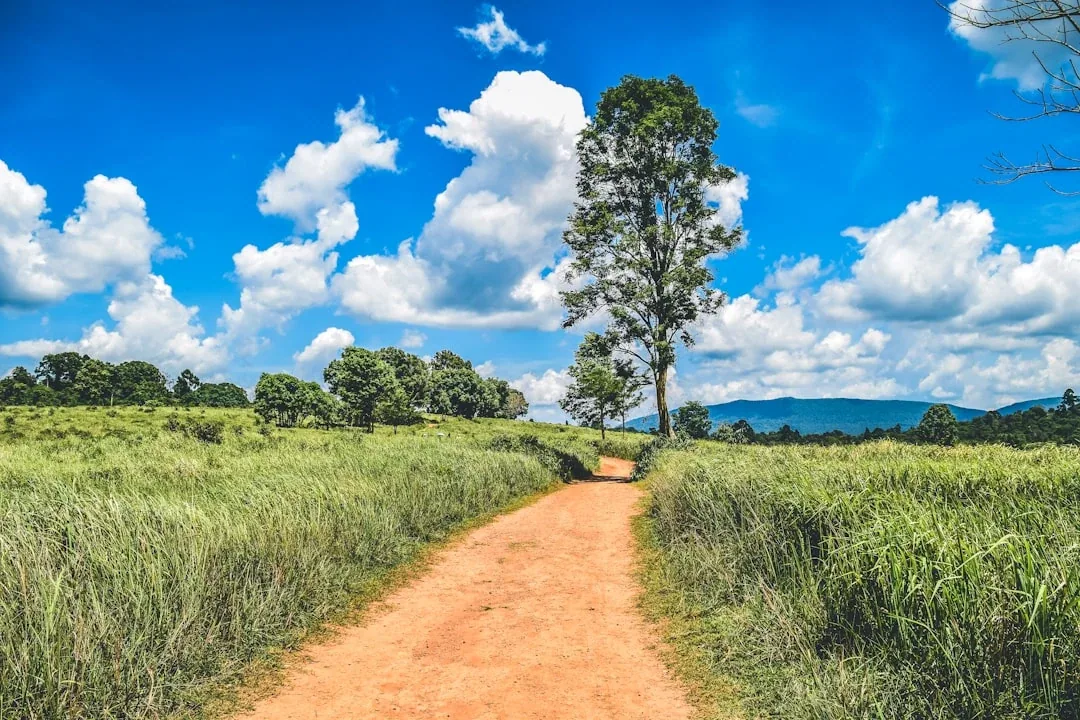
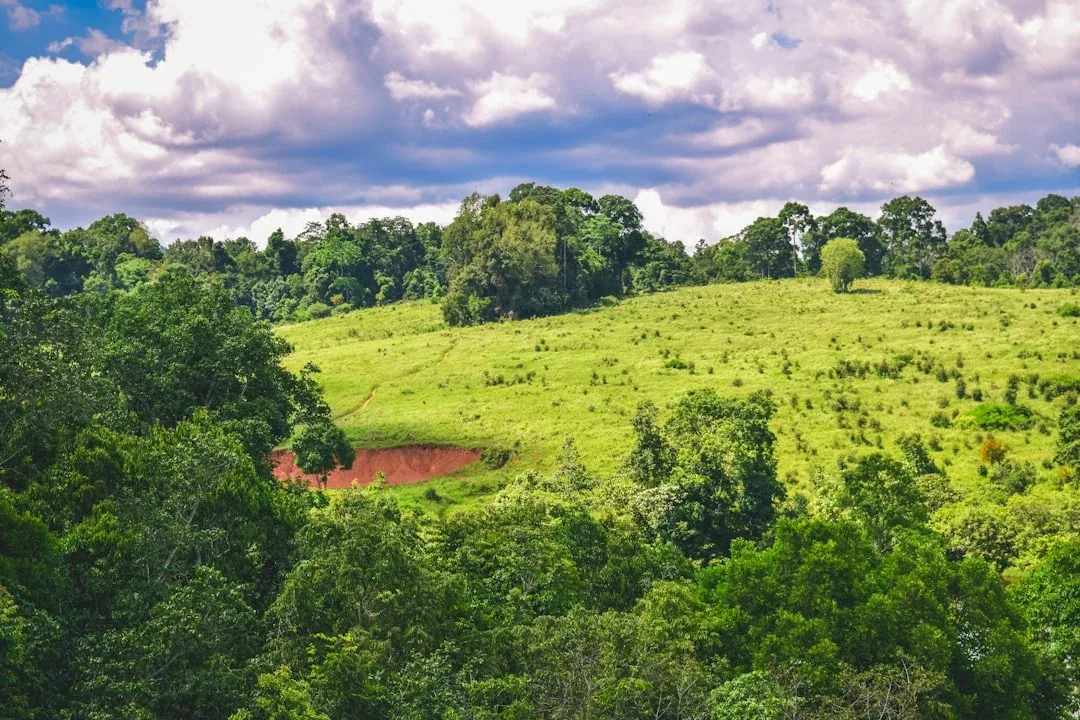
Khao Yai National Park sprawls across 2,168 square kilometers of montane rainforest along Korat's western border, protecting one of Southeast Asia's largest intact forest ecosystems. This isn't the sanitized "nature experience" of manicured trails and guaranteed animal sightings. This is genuine wilderness where wild elephants roam, gibbons call from the canopy at dawn, and hornbills the size of small dogs fly overhead with wingbeats you can hear from fifty meters away. The park harbors over 300 bird species, making it a premier destination for birdwatchers. Tigers and leopards technically still inhabit the park, though sightings are extraordinarily rare.
Most visitors come for the waterfalls. Haew Suwat, made famous by its appearance in the movie "The Beach," cascades 20 meters into a pool where you can swim (when water levels permit). Haew Narok, deeper in the park, requires more effort to reach but rewards with a dramatic three-tier cascade that runs powerfully during wet season. The hiking trails range from easy nature walks to challenging full-day treks through dense forest. The night safari drives offered by various tour operators provide the best chance to spot nocturnal wildlife—civets, porcupines, barking deer, and occasionally elephants crossing the roads.
The park entrance fee for foreigners is 400 THB (Thais pay less), with additional charges for vehicles (typically 50 THB for cars, 30 THB for motorcycles). The best time to visit is November through February when temperatures are cooler and wildlife is more active. Rainy season (June-October) means lush vegetation and waterfalls at peak flow, but leeches become a genuine nuisance and some trails close due to flooding. The park maintains several camping areas and basic bungalow accommodations, or you can stay in the nearby town of Pak Chong where guesthouses and resorts cater to park visitors.
Hire a guide: The park is vast, trails can be confusing, and guides dramatically increase your chances of wildlife sightings. Local guides know where animals are active and can explain the ecology. Costs around 1,500-2,500 THB for a group for a half-day trek.
Timing matters: Early morning (6-9am) and late afternoon (3-6pm) offer the best wildlife viewing. Midday is hot and animals retreat to shade. Night safaris require booking with authorized operators.
Respect wildlife: Keep distance from animals, never feed them, and follow your guide's instructions. Elephant encounters can be dangerous—they're wild animals, not tourist attractions. The park is working to maintain genuine wilderness, not create a zoo experience.
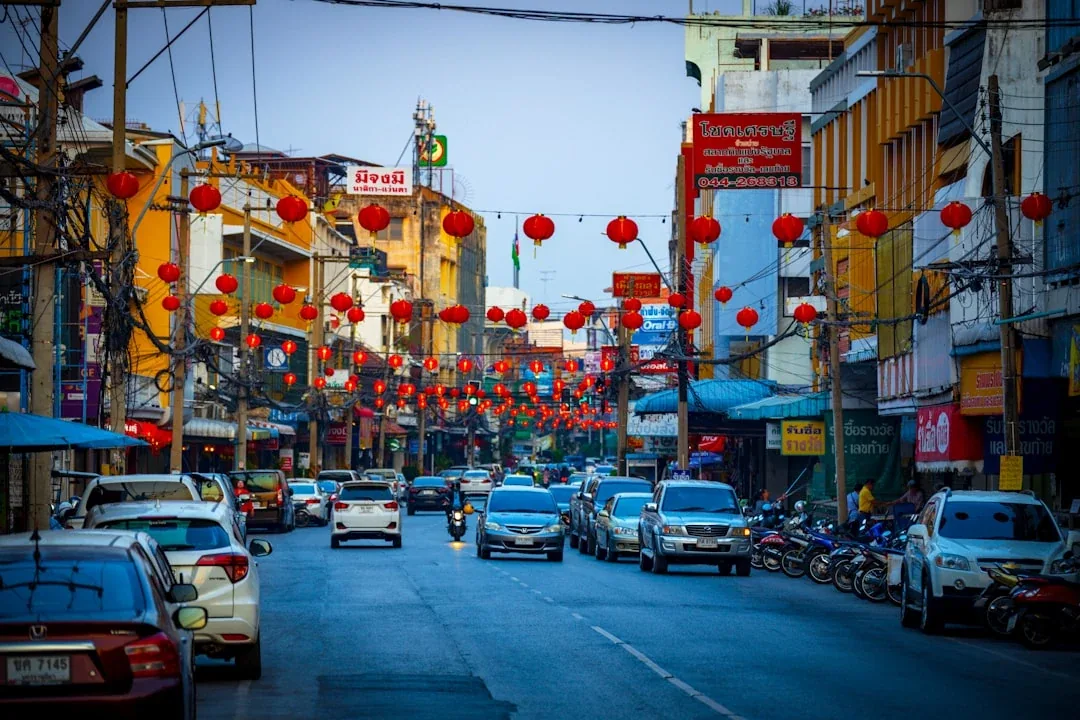
The city of Nakhon Ratchasima doesn't announce itself with dramatic skylines or famous landmarks. It reveals its character gradually as you navigate the broad streets lined with shophouses, discover the massive modern malls that anchor different neighborhoods, and eventually arrive at the Thao Suranari Monument—the spiritual and geographic heart of Korat. The bronze statue honors Khunying Mo, the legendary heroine who led Korat's defense against a Lao invasion in 1826. Locals call her Ya Mo (Grandmother Mo), and the reverence is genuine. Every day, people arrive to make offerings of flowers and incense, asking for blessings before major life events.
The monument area pulses with activity—vendors selling lottery tickets and amulets, tuk-tuks waiting for fares, locals meeting friends. It's the kind of organic civic space that modern urban planning struggles to recreate. A few blocks away, the weekend Walking Street transforms several blocks of the Bua Kao area into a pedestrian market where hundreds of vendors sell everything from phone accessories to grilled insects. The food alone justifies the visit: som tam Korat-style (featuring salted crab and less chili than the central Thai version), sai krok Isan (fermented sausage with a distinctive sour flavor), grilled chicken so good it makes the Bangkok versions taste like cardboard, and endless variations of sticky rice preparations.
But what surprised me most about Korat was the shopping. Terminal 21 Korat, part of a chain that started in Bangkok, brings the concept of themed mall zones to northeastern Thailand—each floor decorated to evoke a different city (Tokyo, Paris, Rome), creating an over-the-top retail experience that feels wildly incongruous in the middle of rice-farming country. Yet the mall stays packed with Thai shoppers enjoying the air-conditioning, cinema, food court, and the novelty of international brands previously requiring a Bangkok trip. The Mall Nakhon Ratchasima and Central Plaza offer similar modern retail therapy. For expats, these malls mean access to imported goods, quality gyms, decent coffee shops, and the occasional escape from authentic Thai culture into generic global consumer culture.
→ Morning at the monument: Visit Thao Suranari Monument early (6-8am) when locals make offerings. The area comes alive with vendors and morning energy. Free, but bring small bills for donations if you want to participate in offerings
→ Night market food crawl: Hit the Bua Kao Night Market or Night Plaza (5pm-11pm) for authentic Isan street food. Must-try: gai yang with sticky rice, som tam Korat, sai krok Isan. Budget 200-400 THB to eat until you're uncomfortable
→ Dan Kwian pottery village: 15km from city center, this ceramics village produces distinctive iron-rich clay pottery. Watch artisans work, buy directly from factories at wholesale prices. Unique Thai souvenirs that actually come from the place you visited
Korat appeals to a specific expat profile: people who want modern conveniences and genuine Thai culture, who prioritize affordability and authenticity over beach access and tourist infrastructure, who find Bangkok overwhelming but rural Thailand too limiting. The cost of living sits 30-40% below Bangkok—a comfortable one-bedroom condo in a modern building with gym and pool runs 10,000-15,000 THB monthly. Meals at local restaurants cost 50-100 THB, fancy mall dining 150-300 THB. A comprehensive monthly budget of 30,000-40,000 THB covers comfortable living with occasional indulgences, while minimalists can manage on 20,000-25,000 THB.
The infrastructure supports remote work better than you might expect. Fiber optic internet reaches most of the city, delivering 400-1000 Mbps for 600-900 THB monthly. Several co-working spaces (WorkHub Korat, Hub 53, Cloud Space) have opened, catering to a small but growing digital nomad presence. Video calls work reliably, cloud-based work presents no issues, and the combination of fast internet and low costs creates an appealing equation for location-independent workers. Mobile 4G and expanding 5G coverage throughout the province means you're connected even in rural areas.
Healthcare quality significantly exceeds expectations for a northeastern city. Bangkok Hospital Ratchasima (part of the respected Bangkok Hospital chain) offers international-standard care at Thai prices—consultations 600-1,200 THB, specialist appointments 1,000-2,000 THB. The hospital handles major surgeries and complex procedures that would send patients in smaller provinces to Bangkok. Maharat Nakhon Ratchasima Hospital (public) and St. Mary's Hospital provide additional options at lower costs but with longer wait times. Dental care is excellent and remarkably affordable—full dental checkups with cleaning run 800-1,500 THB. For more context on Thailand's healthcare system, see our detailed guide to hospitals and medical care.
The expat community is small—probably a few thousand people total across the province—consisting primarily of English teachers (Korat has numerous language schools and universities), retirees who discovered the area's value proposition, and Thais married to foreigners who chose Korat for family proximity with modern amenities. Facebook groups like "Korat Expats" and "Nakhon Ratchasima Farang Life" provide practical advice and occasional social events, but this isn't the organized expat scene of Chiang Mai or Phuket. Social connections form organically through gyms, cafes, language exchange meetups, and the small pool of foreign faces you'll inevitably encounter repeatedly.
What Korat doesn't offer is nightlife, extensive international dining, or the kind of expat support infrastructure that makes landing in Thailand easy. Entertainment consists of mall cinemas, bowling alleys, a few bars with live music, and... that's basically it. The restaurant scene focuses on excellent Isan cuisine with some Japanese, Korean, and generic Western mall food. If you need Thai language help, reliable delivery of imported cheese, or frequent flights to international destinations, you'll find Korat limiting. This is a city for people comfortable creating their own entertainment and navigating Thai culture with minimal English-language support.
Perfect for: Remote workers seeking affordability with modern amenities, cultural explorers wanting authentic Isan, retirees prioritizing value and healthcare access, nature lovers using it as a base for Khao Yai and temples, people who find tourist areas exhausting
Less suitable for: Beach lovers, nightlife seekers, those needing extensive English-speaking environments, travelers prioritizing convenience over authenticity, people who require constant international dining options
Best approach: Visit for 2-4 weeks before committing long-term. Time it for cool season (November-February) to experience Korat at its most pleasant. Explore Khao Yai, visit the Khmer temples, eat your way through night markets, and assess whether the combination of modern infrastructure and authentic culture creates the balance you're seeking.
If you're moving to or spending extended time in Korat, you need to understand that Isan food dominates the culinary landscape. This isn't central Thai cuisine with its balance of sweet, sour, salty, and spicy. Isan cooking emphasizes sour and spicy flavors, relies heavily on fermented ingredients that can smell confronting to newcomers, and incorporates ingredients like sataw beans (stink beans, aptly named) and various insects. Som tam comes with salted crab or fermented fish paste. Larb (minced meat salad) features raw meat in traditional preparations, though cooked versions are common. Sticky rice replaces steamed rice as the default carbohydrate.
The good news: Isan food is extraordinary once you acclimate. The grilled chicken in Korat genuinely surpasses anywhere else I've eaten in Thailand, with perfectly crispy skin and meat that's been marinated in herbs and garlic. Som tam Korat style, less aggressively spicy than the Papaya salad you might know from Thai restaurants abroad, balances flavors beautifully when paired with grilled chicken and sticky rice. Sai krok Isan—that fermented sausage—develops complex, tangy flavors that grow on you. And the sheer variety of preparations keeps meals interesting rather than repetitive.
But international dining is limited. You'll find adequate Japanese (multiple sushi chains in the malls), serviceable Korean (reflecting Korea's popularity among Thai youth), basic Western chains (KFC, McDonald's, Pizza Company), and Thai-style Western restaurants in hotels. What you won't find are the diverse international restaurants of Bangkok or Chiang Mai—no legitimate Italian, minimal Middle Eastern, very little Indian beyond the mall food courts. If you need culinary variety beyond Thai food, Korat will feel restrictive. If you're content eating Thai (specifically Isan) food with occasional mall-food breaks, you'll eat very well very affordably. Understanding Thailand's regional cuisines helps contextualize what makes Isan food distinct and why it matters.
Korat's position as Isan's gateway means it's exceptionally well-connected to Bangkok. Most long-distance trains now depart from Krung Thep Aphiwat Central Terminal (Bang Sue Grand), which took over from Hua Lamphong as Bangkok's main rail hub in 2023. The journey to Korat takes roughly 4–5 hours on second-class air-conditioned services (200–400 THB depending on train type and booking timing). The railway journey is comfortable, scenic through the central plains, and delivers you to Korat's centrally-located train station. Buses from Bangkok's Mo Chit Northern Terminal depart every 30 minutes throughout the day, with VIP buses taking 3.5–4 hours (250–350 THB) and budget options available from 150 THB.
Driving from Bangkok takes about 3.5 hours via Highway 2 (Mittraphap Road), a well-maintained four-lane highway with toll road sections. Car rental in Bangkok runs 1,000–1,500 THB daily, and having your own vehicle opens up easy access to Khao Yai, the Khmer temples, and rural Isan. Nakhon Ratchasima Airport sits about 30 km southwest of the city but has had no regular scheduled commercial service since 2019, when its last operator wound up; for now, virtually every visitor arrives overland.
Within Korat city, songthaews (shared pickup trucks) cover main routes for 10-20 THB per person once you understand the system. Grab operates throughout the city with typical rides costing 50-150 THB. Motorcycle rentals run 200-300 THB daily (3,000-4,500 THB monthly) and make exploring the province straightforward—traffic is manageable, parking is easy, and the city is genuinely navigable on two wheels. Car rental for day trips to Khao Yai or the temples costs 800-1,500 THB daily from local agencies. Just remember that Thailand's helmet laws are enforced, especially on highways, and you'll need an international driving permit for legal riding.
Korat's climate follows the typical Thai three-season pattern, but the inland location creates more extreme temperatures than coastal areas. Cool season (November-February) is genuinely cool by Thai standards—temperatures can drop to 15-18°C at night, and you'll actually want a light jacket for morning and evening. Daytime highs reach 25-28°C, perfect for temple exploration, Khao Yai hiking, and generally enjoying outdoor activities without drowning in sweat. This is unquestionably the best time to visit if you're coming from abroad or exploring the province intensively.
Hot season (March-May) is brutally hot. Temperatures regularly exceed 38°C, with April routinely hitting 40°C or higher. This isn't the slightly uncomfortable warmth of a summer day—this is oppressive heat that makes midday outdoor activities genuinely dangerous. Long-term residents structure their days around the heat: errands and activities before 10am, air-conditioned retreat from 10am-4pm, resume outdoor life in late afternoon. If you're visiting during hot season, plan accordingly. Air conditioning shifts from luxury to absolute necessity.
Rainy season (June-October) brings afternoon thunderstorms that cool things down to a more manageable 28-32°C. The countryside turns lush green, waterfalls in Khao Yai run at peak flow, and rice paddies become mirror-like surfaces reflecting dramatic skies. But the rain can be intense—roads flood, some rural areas become inaccessible, and outdoor plans require flexibility. Tourist numbers drop, prices fall slightly, and you experience a more authentic slice of Thai life. Paradoxically, many expats prefer rainy season once they've adjusted to the rhythm of afternoon downpours.
Monthly Budget
~$990 USD/month comfortable living
Nov-Feb (Best)
Cool, pleasant weather. Perfect for temples and Khao Yai. Some nights need light jacket.
Mar-May (Hot)
Extremely hot, 38-40°C+. Challenging for outdoor activities. AC essential.
Jun-Oct (Rainy)
Afternoon storms, cooler temps. Lush landscapes, fewer tourists, some flooding.
Thao Suranari Festival
Late March · Honors Korat's legendary heroine
Phimai Festival
November · Light shows at Khmer ruins
Bun Bang Fai
May · Rocket festivals for rain
Jim Thompson Farm
Dec-Jan only · Flower gardens
Perfect for: Remote workers, retirees, cultural explorers, nature lovers, budget-conscious expats, those seeking authentic Thailand
Less suitable for: Beach seekers, nightlife fans, those needing extensive English support, international food variety, convenience over authenticity