Provinces
🎭Nakhon Si Thammarat Province
Cultural Heart of Southern Thailand
Cultural Heart of Southern Thailand
Before dawn breaks over Nakhon Si Thammarat, the sound begins. Deep resonant bells from Wat Phra Mahathat echo across the sleeping city, calling the faithful to morning prayers just as they have for over a thousand years. Buddhist pilgrims from across Thailand arrive carrying incense, flowers, and offerings, walking barefoot around the massive golden chedi that houses the Buddha's tooth relic. This isn't a tourist attraction performing spirituality for cameras. This is southern Thailand's sacred heart, a city where Buddhism isn't a feature of the landscape but its very foundation.
Nakhon Si Thammarat is one of Thailand's oldest continuously inhabited cities, with more than a thousand years of recorded history. Long before Bangkok existed, before Ayutthaya rose to power, the city — known then as Tambralinga and Nagara Sri Dharmaraja — was a crucial port linking trade routes between India, China, and the Malay archipelago, and a tributary centre of the Srivijaya empire. That legacy persists in the city's architecture, its cultural traditions, and its profound importance to southern Thai Buddhist identity.
What draws people here isn't beaches or islands—though the province has those too. It's the depth of cultural heritage that exists almost nowhere else in Thailand. This is where Nang Talung shadow puppet theatre developed, a southern Thai art form recognised on the national heritage register and proposed for UNESCO consideration alongside Nora dance (which Thailand did inscribe on the UNESCO Intangible Cultural Heritage list in 2021). Where nielloware craftsmen continue traditions perfected during the Ayutthaya period. Where you can experience Thailand as it existed long before tourism shaped the country's identity, preserved not for visitors but because this is simply how life continues here.
"Long before Bangkok existed, Nakhon Si Thammarat served as a crucial port city connecting trade routes between India, China, and the Malay archipelago. That ancient legacy persists in everything here."
Wat Phra Mahathat Woramahawihan dominates the city both physically and spiritually. The central chedi rises 78 meters, covered in gold, visible for kilometers in every direction. But what matters isn't the height—it's what the temple represents. According to tradition, the tooth relic of the Buddha arrived here from Sri Lanka over a thousand years ago, making this one of Buddhism's most important pilgrimage sites outside of India and Sri Lanka itself. During major Buddhist holidays like Visakha Bucha, tens of thousands of devotees arrive from across Thailand and neighboring countries.
I've visited the temple dozens of times, and what strikes me isn't the gold or the architecture—though both are stunning. It's the intensity of faith you witness. Elderly women who've saved for years to make this pilgrimage, prostrating themselves before the chedi with tears streaming down their faces. Young monks in their first year of ordination, walking the grounds with a reverence that feels almost tangible. Families arriving before dawn to circumambulate the chedi three times with candles, flowers, and incense, performing rituals passed down through generations. This level of spiritual devotion exists in many Thai temples, but here it's amplified by the temple's extraordinary significance.
The temple complex sprawls across several acres, encompassing multiple halls, 173 smaller chedis surrounding the main structure, museums displaying religious artifacts dating back centuries, and meditation centers where monks and laypeople practice side by side. The architecture represents Southern Thai style—more ornate than the simpler lines of northern temples, with intricate stucco work, vibrant ceramic decorations, and detailed Buddha images in poses you won't see elsewhere. Entry is free, but modest dress is strictly enforced. Come early morning (6-8am) when monks chant and the atmosphere is most powerful, before tour buses disrupt the sacred atmosphere.
But Nakhon's spiritual geography extends beyond the great chedi. A short walk from Wat Phra Mahathat, the small whitewashed chapels of Ho Phra Phuttha Si Hing and Ho Phra Isuan stand side by side inside the old town. The first houses one of three Buddha images in Thailand venerated as the Phra Phuttha Si Hing — by tradition cast in 12th-century Sri Lanka and brought to Nakhon Si Thammarat by sea — and is the focal point of major southern Songkran processions. The second is a working Brahmin shrine, descended from the city's court Brahmins who once oversaw royal rituals here.
A few streets east, the surviving sections of the old city wall and moat trace the rectangle of the medieval port-city. The Nakhon Si Thammarat National Museum nearby holds the finest collection of Srivijaya-era bronzes outside Bangkok — Vishnu images, lintels, and the trading goods that arrived here from India, China and the Malay archipelago across centuries. Together these sites layer the city's identity: Theravada Buddhist heartland, residual Brahmin court tradition, and Indian Ocean entrepôt all within a few blocks of each other. Understanding the role of Buddhism in daily Thai life deepens appreciation for places like this immeasurably.
Nang Talung—Southern Thai shadow puppet theatre—faces the same crisis affecting traditional arts globally: younger generations gravitating toward modern entertainment, master craftsmen aging without apprentices, performance opportunities dwindling. But in Nakhon Si Thammarat, the southern heartland of the art form, practitioners are fighting to keep the tradition alive. The Suchart Subsin House — founded by the late National Artist Suchart Subsin — preserves one of the most important private collections of shadow puppets in Thailand, including hundreds of intricately carved buffalo-hide figures representing characters from the Ramakien epic, Jataka tales, and local folklore, alongside puppets the family collected from Cambodia, China and India.
Watching master artisans carve new puppets from buffalo hide using centuries-old tools is mesmerizing. Each figure requires days of work—sketching the design, carefully cutting the leather, creating the intricate perforations that will cast shadows, adding articulation joints for movement. The craftsmanship rivals any fine art, but these weren't created as museum pieces. They were working tools for entertainers who traveled from village to village, telling stories through shadow, voice, and music.
When performances happen—and schedules vary, so check with the tourist office or your accommodation—you witness something that's happened in southern Thailand for centuries. The puppeteer sits behind a backlit screen, manipulating the leather figures while narrating in rapid-fire Southern Thai dialect, accompanied by a traditional piphat orchestra. The stories blend Hindu-Buddhist mythology, local legends, and contemporary social commentary. Even if you can't follow the language, the shadows dancing across the screen, the musical accompaniment, and the obvious mastery of the performer create something genuinely captivating.
Suchart Subsin House: The main museum and workshop in the old town area. Entry 100 THB includes viewing the collection and watching craftsmen work. Open daily 9am-5pm. Demonstrations happen regularly, but full performances are scheduled irregularly—ask about upcoming shows when you visit.
Workshop participation: Several local workshops offer half-day classes (1,500-2,500 THB) teaching basic puppet carving and manipulation. You won't master the art in an afternoon, but you'll gain profound respect for the skill involved.
Festival performances: During temple festivals and major holidays, Nang Talung performances often occur. These are when you see the art in its traditional context—not a museum demonstration but actual community entertainment. The energy is completely different.
Nielloware craftsmanship represents another tradition Nakhon Si Thammarat has preserved. This intricate silverwork inlaid with black alloy creates stunning geometric and floral patterns that were perfected here during the Ayutthaya period. Several family-run workshops still practice the craft, allowing visitors to observe the entire process: engraving silver, applying the niello paste, firing, polishing to reveal the black-and-silver designs. The products—jewelry boxes, bowls, trays, decorative items—make exceptional souvenirs that directly support traditional craftspeople. Prices run 30-50% below what you'd pay in Bangkok shops, and the quality often exceeds mass-produced alternatives.
Nakhon Si Thammarat's old town reveals itself slowly to those willing to walk and observe. Unlike the carefully preserved tourist districts of Chiang Mai or Phuket Old Town, this is a living historic city where century-old Sino-Portuguese shophouses still function as family businesses. The two-story buildings with their ornate facades, distinctive Chinese roof decorations, and commercial ground floors/residential upper levels represent a pattern of urban life that predates modern zoning regulations.
Start at the remnants of the ancient city wall—massive fortifications that once protected the trading port from invaders. Walk to Bovorn Bazaar, a 150-year-old market building now housing coffee shops, antique stores, and small galleries. Explore the narrow sois around Wat Phra Mahathat where traditional businesses persist: gold shops, herbal medicine sellers, vendors of religious items, and those mysterious family operations that seem to sell everything and nothing simultaneously. Stop at traditional bakeries making khanom (Southern Thai sweets) using recipes passed down through generations.
The old Brahmin precinct on Ratchadamnoen Road — anchored by Ho Phra Isuan and the surviving Sao Ching Cha (Giant Swing) post — is a working remnant of the court Brahmins who once performed royal rites here, and predates the better-known Giant Swing in Bangkok. Chinese clan shrines dot the old town, still actively used by families who've lived here for generations. This multicultural heritage—Thai, Brahmin, Chinese, and Malay influences blending over centuries—shapes the city's character in ways that feel authentic rather than curated for tourism. You're experiencing the real evolution of a southern Thai city, not a recreated historical theme park.
→ Ratchadamnoen Road Night Market (daily, 5pm-11pm): The main night bazaar features hundreds of stalls selling Southern Thai specialties impossible to find elsewhere. Khanom jeen nam ya (rice noodles with fish curry), gaeng som (intensely spiced-sour curry), sataw pad goong (stink beans with shrimp), traditional desserts. Meals 40-100 THB
→ Saturday Walking Street: The old town transforms into a food and handicraft market with live music and cultural performances. This is where locals shop and eat, with visitors as welcome participants rather than the primary audience
→ Southern Thai cooking: The cuisine differs dramatically from Central Thai food—more intensely spiced, sour flavors prominent, using ingredients like sataw beans and turmeric leaf. Vegetarians need to learn key phrases as seafood and meat dominate
Khao Luang National Park protects 570 square kilometers of pristine rainforest rising to Khao Luang peak at 1,835 meters—southern Thailand's highest mountain. The park harbors exceptional biodiversity: gibbons, hornbills, macaques, wild boar, barking deer, and over 300 bird species. For anyone who's explored only Thailand's beaches and cities, the mountain environment provides a completely different experience.
Krung Ching Waterfall ranks among the park's highlights—a seven-tier cascade requiring a roughly 3.7-kilometre trail through dense jungle to reach. The trail is well-maintained but genuinely challenging, with significant elevation gain and humidity that makes even fit hikers work for it. The reward: swimming pools at the base of the falls, cathedral-like primary forest, and the satisfaction of experiencing something most visitors to Thailand never see. Visit during the wet season (June-October) when the falls run at full force, though be prepared for muddy trails and afternoon rain.
Karom Waterfall offers easier access—suitable for families and those wanting a nature experience without the intense hiking. Ai Khiao Waterfall sees fewer visitors, providing a more peaceful atmosphere if you're willing to explore beyond the main attractions. Hiking trails range from easy nature walks to challenging multi-day treks to the summit (which require hiring a guide through park headquarters). The cool mountain climate provides blessed relief from coastal heat. Park entrance runs 300 THB for adults, 150 THB for children, with camping facilities available if you want to extend the experience.
Khiriwong Village sits at the base of Khao Luang mountain, officially designated "Thailand's village with the purest air" by environmental agencies due to pristine forest surroundings. The village maintains traditional Southern Thai wooden houses on stilts, fruit orchards producing durian, mangosteen, and rambutan, rubber plantations, and organic farms. Homestay programs (400-800 THB including meals) offer genuine cultural immersion with local families—not the polished tourist experience of more famous homestays, but the actual reality of rural Thai life.
Activities include jungle trekking to waterfalls, fruit orchard visits during harvest season (April-June when durian reaches peak flavor), cycling village roads, cooking classes preparing Southern Thai specialties, and simply experiencing the peaceful rhythm of rural existence. The village produces excellent coffee, honey, and tropical fruit products sold at the community shop—high-quality souvenirs that directly support the local economy. Book homestays in advance through the provincial tourist office or your accommodation. Access requires a car or motorcycle, as songthaews (shared trucks) run infrequently.
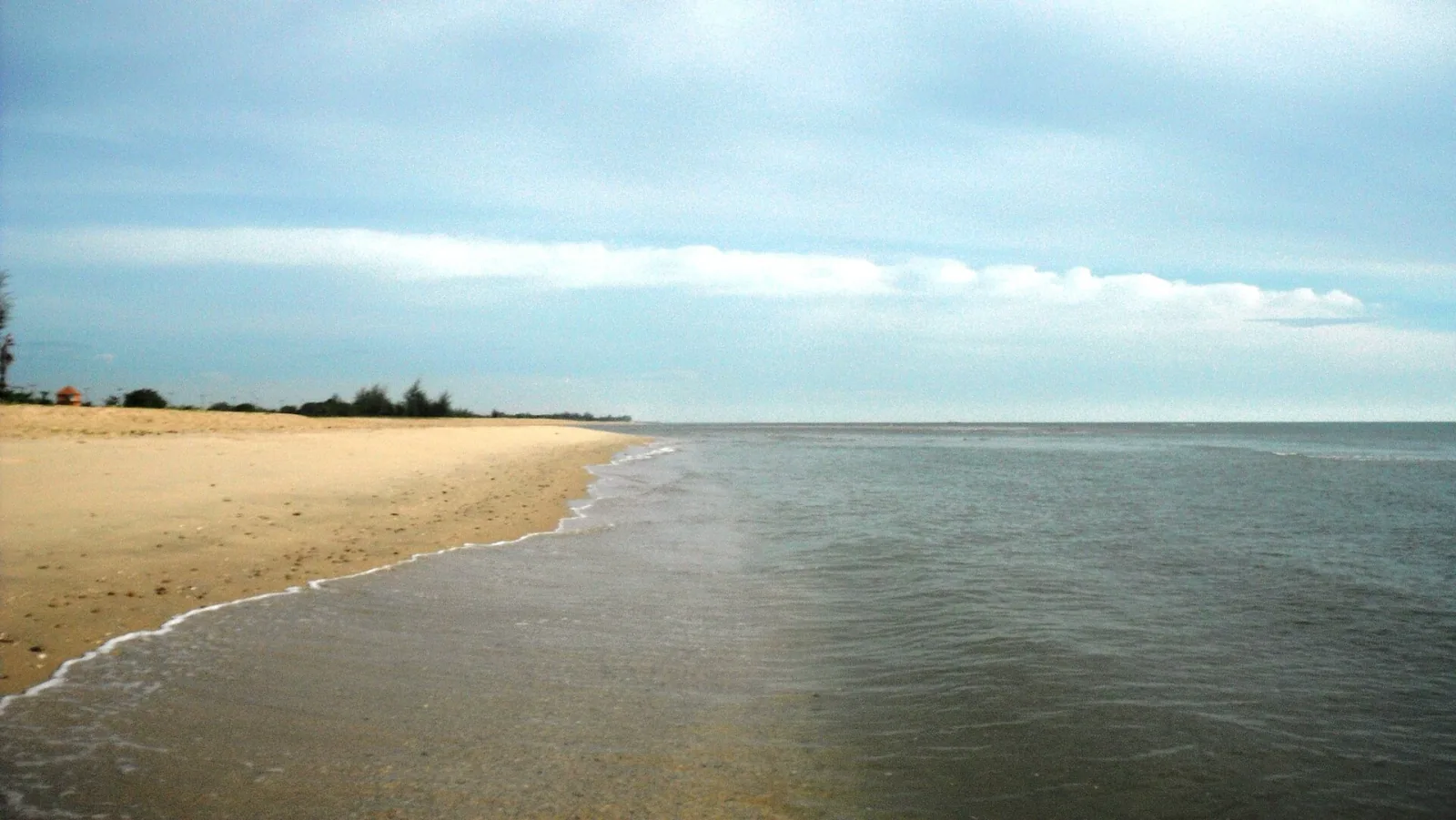
While Nakhon Si Thammarat city focuses on culture and history, the province's coastal areas offer a different appeal. Khanom — about 80 kilometres north of the city, on the road towards Surat Thani — maintains a peaceful, undeveloped character that feels increasingly rare along Thailand's coasts. Golden sand beaches stretch for kilometres, backed by casuarina trees and dramatic limestone karst formations. The area is famous for Indo-Pacific humpback dolphins—rare pink dolphins that inhabit these coastal waters.
Early morning boat tours (6-9am, 600-1,200 THB per person) from Khanom Bay offer 60-80% dolphin sighting success rates, especially December-April when seas are calmest. Multiple beaches offer different character: Nadan Beach (quietest, minimal development), Nai Phlao Beach (best swimming, gentle slope), Had Thong Yi (popular with Thai weekend tourists). Beachfront accommodation ranges from budget bungalows (500-1,200 THB) to mid-range hotels with pools and restaurants. Excellent seafood restaurants line the beaches, serving daily catches at prices that remind you this isn't Phuket or Samui.
Khanom offers an appealing option for those wanting to combine cultural exploration in Nakhon city with beach relaxation—split your time between the two, experiencing different facets of the province. It's also a quieter alternative to staying in the city if you prefer coastal atmospheres to urban environments. The ~80-kilometre distance means you can day-trip in either direction, though having your own motorcycle or car makes logistics significantly easier.
Nakhon Si Thammarat works for a specific type of person and fails for others. If you're drawn by cultural depth, spiritual exploration, authentic Thai experiences, and don't require extensive Western amenities, the province offers remarkable value and quality of life. The cost of living sits well below Bangkok or tourist areas—rent for a decent one-bedroom apartment runs 7,000-12,000 THB monthly, meals at local restaurants cost 50-100 THB, and comprehensive monthly budgets of 20,000-30,000 THB cover comfortable living for singles.
Internet infrastructure is adequate for most remote work. Fiber connections reach the city center (AIS, True, 400-700 THB/month for 15-30 Mbps), though speeds fluctuate during peak hours and reliability doesn't match Bangkok or Chiang Mai standards. Mobile 4G provides solid backup coverage throughout the province. Several cafes cater to laptop workers with decent WiFi and power outlets. The infrastructure supports flexible remote work but isn't ideal for bandwidth-intensive jobs requiring consistently fast connections. Video calls work fine, cloud-based work is manageable, but large file transfers test your patience.
Healthcare quality sits in the middle tier—better than truly rural provinces but below major cities. Maharaj Nakhon Si Thammarat Hospital (the regional government hospital) and Nakhon Christian Hospital handle routine care competently (consultations 300-600 THB, specialist visits 600-1,200 THB). For serious conditions or complex procedures, most people travel to Bangkok Hospital Hat Yai (roughly 2 hours south) or fly to Bangkok, while Phuket's hospitals sit about five to six hours away by road across the peninsula. Medical evacuation insurance is essential. Dental care is affordable and surprisingly good. Pharmacies are well-stocked for common medications. The system works fine for generally healthy adults but requires realistic expectations about specialist care limitations. Learn more about navigating Thailand's healthcare system in our comprehensive guide.
→ Comfortable living (22,000-28,000 THB): Decent apartment, mix of street food and restaurants, motorcycle rental, occasional activities, cafe working sessions, social life. Very doable for remote workers
→ Budget living (15,000-20,000 THB): Basic accommodation, predominantly street food, limited entertainment. Sustainable but requires contentment with simplicity
→ Comfortable local (30,000-40,000 THB): Nice apartment, regular dining out, weekend trips, comfortable healthcare budget, savings buffer. Upper tier for the province
The expat community is small—estimated 200-500 people total—mostly teachers, business people, cultural enthusiasts, and a handful of remote workers who discovered the province and stayed. There aren't organized activities, international restaurants on every corner, or comprehensive support networks like Chiang Mai offers. What exists instead are informal connections through guesthouses, cafes, and Facebook groups. It's good for independent people who form friendships organically rather than through structured expat organizations.
Nakhon absolutely doesn't work for people seeking nightlife, extensive shopping, or cosmopolitan amenities. Entertainment consists of night markets, occasional live music at local venues, temple festivals, and cultural performances. The restaurant scene focuses on excellent Southern Thai food but offers minimal international options. Shopping means local markets and modest malls. English is less commonly spoken than in tourist areas—you'll need basic Thai for daily life or a translator app. If you need constant variety and stimulation, Nakhon will feel limiting.
Perfect for: Cultural enthusiasts, spiritual seekers, history buffs, remote workers wanting authentic Thailand, budget travelers, those seeking depth over entertainment, people comfortable with limited English
Less suitable for: Nightlife seekers, beach vacation priorities, those needing extensive Western amenities, families requiring international schools, people wanting large expat communities, travelers uncomfortable without constant English
Best approach: Visit for 2-4 weeks before committing long-term. Explore both the city and coastal areas (Khanom). Attend temple ceremonies, watch shadow puppet performances, hike in the national park. You'll know quickly if the cultural depth compensates for the limited entertainment options.
Nakhon Si Thammarat sits about 780 kilometres south of Bangkok via Highway 41. Direct buses depart Bangkok's Southern Bus Terminal (Sai Tai Mai) every 2-4 hours, taking 10-12 hours overnight (400-600 THB for standard buses, 700-900 THB for VIP). Minivans run at higher prices (800-1,000 THB) with less comfort but slightly faster times. Driving takes 10-12 hours depending on stops and traffic. The train option — overnight sleepers from Krung Thep Aphiwat (Bang Sue Grand), which replaced Hua Lamphong as Bangkok's main long-distance hub in 2023 — takes 13-15 hours (600-1,000 THB for berths) and offers the romance of rail travel through southern Thailand. Nakhon Si Thammarat Airport (NST) has several daily Bangkok flights, mostly via Don Mueang.
Within the city, the center is walkable for main temple and old town exploration. Tuk-tuks charge 40-100 THB for short trips. Motorcycle rentals (100-150 THB daily, 1,500-2,500 THB monthly) provide the most flexibility for exploring the province. Songthaews run set routes for 20-40 THB but require understanding the system. Grab operates but less reliably than in Bangkok. For reaching Khanom beaches or Khao Luang National Park, having your own wheels is nearly essential unless you book organized tours.
Weather follows the typical southern pattern. Cool season (November-February) offers the most pleasant temperatures (22-28°C), clear skies, and ideal conditions for temple visits and outdoor activities. Hot season (March-May) brings intense heat (35-40°C) and high humidity that makes midday exploration genuinely unpleasant. Rainy season (June-October) delivers afternoon thunderstorms, lush green landscapes, and moderate temperatures (28-32°C). The rain isn't constant—typically sunny mornings with afternoon downpours—and tourist numbers drop, creating peaceful atmospheres and lower prices. Cultural performances and temple festivals occur year-round, though major Buddhist holidays draw the largest crowds regardless of weather.
Nakhon Si Thammarat rewards those seeking Thailand beyond the beaches and bars. It's a city where centuries of history remain woven into daily life, where southern Thai performance arts — Nang Talung shadow theatre and the UNESCO-inscribed Nora dance among them — survive not as museum pieces but as living traditions, and where spirituality shapes community identity in ways increasingly rare in modern Thailand. The province won't suit everyone—it lacks the convenience of major cities and the polish of tourist destinations. But for travelers and expats drawn by cultural depth, authentic experiences, and the chance to witness southern Thai heritage in its heartland, few places in Thailand offer what Nakhon provides. This is Thailand at its most genuinely itself.
Monthly Budget
~$640 USD/month comfortable living
DO
• Remove shoes before entering
• Dress modestly (shoulders/knees covered)
• Sit with feet behind you
• Be respectful and quiet
DON'T
• Point feet at Buddha images
• Touch monks (especially women)
• Climb on statues
• Be loud or disruptive
Nov-Feb: Perfect weather for temples and outdoor activities. Best season.
Jun-Oct: Rainy but peaceful. Lower prices, lush landscapes.
Mar-May: Extreme heat. Challenging for exploration.
Wat Phra Mahathat: 78m chedi, tooth-relic pilgrimage site, free entry
Ho Phra Phuttha Si Hing: Revered Buddha image, old town, free entry
Suchart Subsin House: Shadow puppet museum, 100 THB entry, performances vary
NST National Museum: Srivijaya artifacts, 150 THB, Wed-Sun 9am-4pm