Provinces
🐉Nong Khai
Mekong River border town with Lao soul
Mekong River border town with Lao soul
Sit on the riverside promenade as the sun sets over the Mekong, and you'll watch Laos turn golden across the water—close enough to see individual buildings in Vientiane's suburbs, close enough that the border feels more like a suggestion than a barrier. This is Nong Khai at its essence: a town where Thailand blurs into Laos so completely that locals speak both languages interchangeably, where the food tastes distinctly Lao, and where you can cross into another country more easily than traveling to Bangkok.
The First Thai-Lao Friendship Bridge, just outside town, connects to Vientiane 25 kilometers away, making Nong Khai the easiest Thailand-Laos crossing and a popular visa run destination. But reducing this place to a transit point misses what makes it special. The roughly 511,000 people across the province live at a pace that feels like Thailand before mass tourism discovered it—riverside promenades for evening strolls, bicycle-friendly streets, guesthouses where travelers end up staying months instead of days.
Two attractions define Nong Khai's character. The first is Sala Kaew Ku, a sculpture park so bizarre it defies easy description—over 200 massive concrete statues depicting Hindu and Buddhist mythology in surreal, sometimes unsettling forms. Created by shaman-artist Luang Pu Bunleua Sulilat, the park contains multi-headed nagas coiling around demons, a 25-meter tall Buddha overlooking the Mekong, and the Wheel of Life showing souls in heaven and hell with hauntingly detailed faces. It's unlike anything else in Thailand, a photography paradise that requires 2-3 hours to fully absorb.
The second defining element is the Naga mythology that permeates everything. The protective serpent supposedly lives in the Mekong depths, guarding the river and its people. Each October, the mysterious Naga Fireball phenomenon allegedly sees glowing orbs rise from the water on the full moon night—scientific explanations range from methane gas to bioluminescence, but locals believe it's the naga's blessing. The festival draws thousands of Thai visitors, transforming the quiet border town into a packed celebration even if the fireballs don't cooperate.
"Nong Khai is a town where Thailand blurs into Laos so completely that determining where one ends and the other begins becomes impossible—and gloriously irrelevant."
The Mekong Riverfront forms Nong Khai's social and geographic heart—a beautifully maintained promenade where locals and the small traveler community gather for sunset. Numerous restaurants and bars line the waterfront, serving fresh Mekong fish while Laos sits visible across the water. Street food vendors appear evenings with grilled fish, som tam, and local snacks. The area comes alive at night with live music from various venues, especially lively on weekends. During the Naga Fireball Festival in October, the riverfront becomes packed with spectators hoping to witness the mysterious phenomenon.
At the eastern end of the promenade, Tha Sadet Market operates as Nong Khai's traditional Isan marketplace—a maze of stalls selling everything from mudmee silk textiles to fresh produce and cooked food. The food section offers authentic Isan breakfast: khao piak sen (Lao noodles), grilled chicken, sticky rice, meals for 30-60 baht. It's more genuine and less touristy than markets in larger cities, with vendors who speak little English but welcome visitors warmly.
Wat Pho Chai, an important riverside temple, houses the sacred Luang Pho Phra Sai Buddha image—Nong Khai's most revered statue. Legend says the golden Lan Xang-style Buddha survived a legendary crossing of the Mekong, supposedly refusing to sink when the boat capsized. The temple architecture beautifully mixes Thai and Lao styles, with peaceful grounds offering Mekong views. The temple museum displays historical artifacts and explains the Buddha image's history, showing the deep cultural connections between Thailand and Laos that define this border region.
Phu Phra Bat Historical Park, just over the border in Udon Thani province (~70 km southwest of Nong Khai), offers a mystical landscape of balanced sandstone formations, natural caves and 3,000-year-old rock paintings. UNESCO inscribed it on the World Heritage List in July 2024 as a witness to the Dvaravati-period sema stone tradition, making it Thailand's seventh World Heritage Site and an easy half-day add-on from Nong Khai.
Nong Khai's culture represents the Isan-Lao borderland at its most authentic. The local dialect is essentially Lao with Thai official language overlay—many residents have family on both sides of the border, creating fluid cultural exchange that ignores arbitrary national boundaries. Temple roofs show Lan Xang influences, houses reflect both traditions, and determining whether you're experiencing "Thai" or "Lao" culture becomes meaningless.
The food makes the fusion undeniable. Sticky rice dominates every meal, eaten with hands as in Laos. Som tam here uses fermented crab (pla ra), creating that pungent, powerfully flavored version that separates Isan cooking from Bangkok's toned-down tourist versions. Khao piak sen—Lao rice noodles in rich broth—is the breakfast staple. Mekong river fish appears grilled whole, in spicy tom yum, or as larb. The riverfront restaurants serve this food at genuine local prices: 50-100 baht for meals that would cost triple in Bangkok's tourist areas.
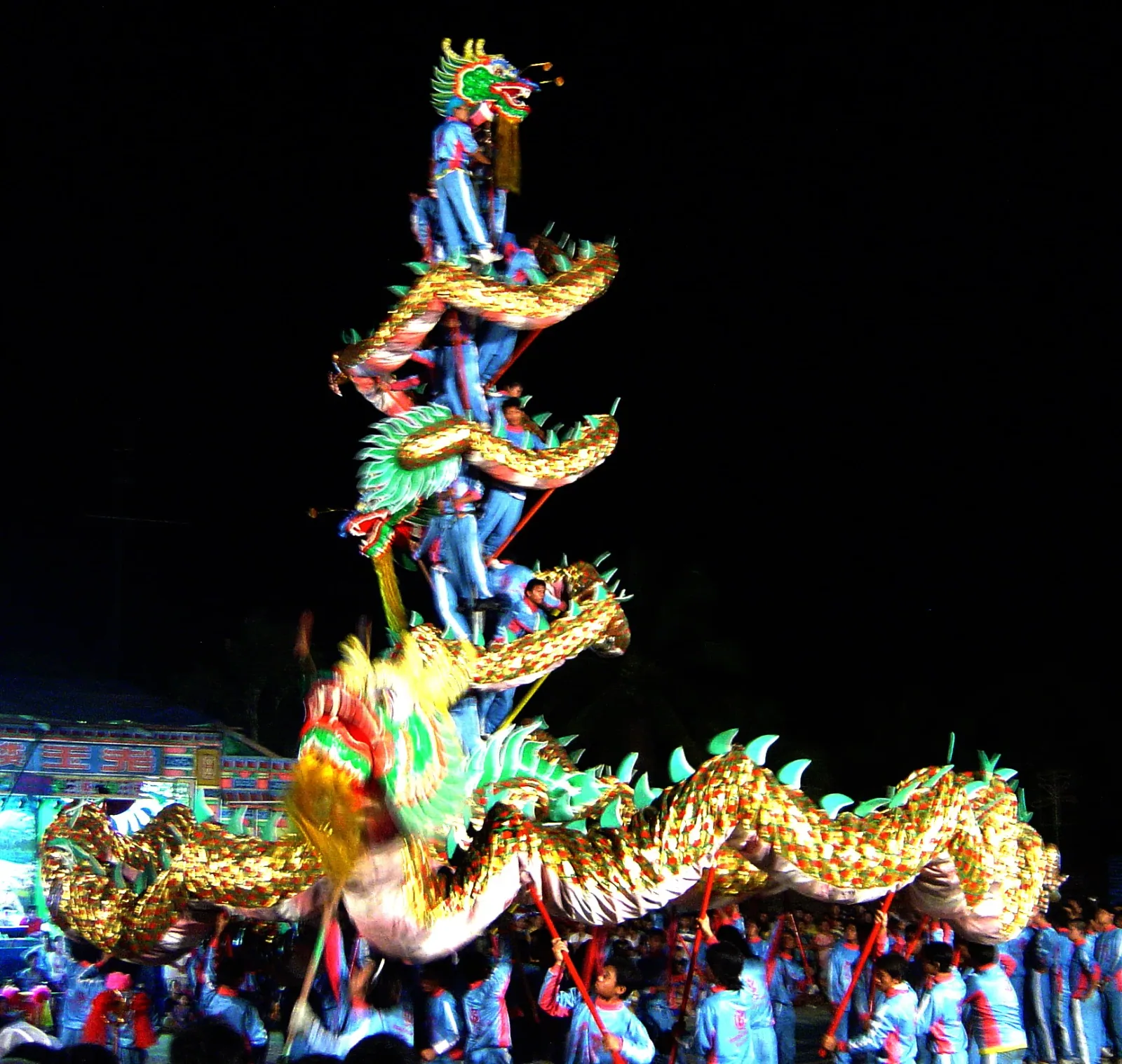
The protective naga serpent isn't folklore here—it's genuine belief. The creature supposedly lives in the Mekong depths, guarding the river and its people. Temple decorations feature elaborate naga balustrades. Boat prows are carved with naga heads. And every October, the Naga Fireball Festival transforms Nong Khai.
Best viewing points are Phon Phisai district (~45 km southeast) and along the Nong Khai riverfront. Hotels book months in advance. Whether you see fireballs or not, the festival atmosphere—food stalls, cultural performances, fireworks, and thousands of believers gathering at the Mekong—makes it worth experiencing. For more on Thai festivals and holidays, explore our cultural guides.
The town's riverside lifestyle creates a pace that appeals to long-term travelers and expats tired of Bangkok's intensity. Sunset watching becomes a daily ritual. Life flows with the Mekong's rhythm. The small traveler community centered around guesthouses like Mut Mee—which has evolved from accommodation into a cultural institution—provides easy social connections without the anonymous crowds of larger tourist cities.
Road connections and Mekong crossings
Via Udon Thani Airport: Udon Thani International Airport (UTH) is ~60 km south, with multiple daily Bangkok flights. From the airport, take a public bus (60-80 THB, 1.5 hours), minivan (100 THB, 1 hour), or taxi (600-800 THB). Most visitors fly to Udon then transfer.
By Bus from Bangkok: Direct buses from Mo Chit Terminal. VIP buses take 10-11 hours (500-700 THB). Night buses arrive morning. Several departures daily. Budget options from 350 THB but less comfortable.
By Train: Overnight sleepers from Bangkok's Krung Thep Aphiwat Central Terminal (Bang Sue Grand) via Udon Thani to Nong Khai — the northern terminus of the Northeastern Line. Second-class sleeper ~550-950 THB, journey 10-11 hours. A new cross-border service to Vientiane (Khamsavath) launched in July 2024. Nong Khai station is ~4 km south of the riverfront.
From Vientiane: International buses cross Friendship Bridge daily (150-200 THB, 1.5 hours including border formalities). Popular for visa runs and Laos tourism.
Walking & Cycling: Town is small and flat - walking or cycling works perfectly. Bicycle rentals available 50-100 THB/day. Riverfront promenade is pedestrian-friendly.
Tuk-tuks & Samlors: Three-wheeled taxis for short trips. 30-60 THB within town. Negotiate price first. Motorcycle taxis cheaper at 20-40 THB.
Songthaews: Shared pickups on routes, 10-20 THB. Good for Sala Kaew Ku (50 THB) and Friendship Bridge. Less frequent than larger cities.
Scooter/Car Rental: Scooters 200-250 THB/day useful for Sala Kaew Ku, surrounding villages. Car rental available through guesthouses 800-1,200 THB/day for wider exploration.
Guesthouses and riverside retreats
3,000-7,000 THB
Simple apartments and guesthouses, many with Mekong views. Fan or basic AC, basic furnishings. Popular with long-term travelers and teachers. Riverfront area offers best atmosphere. Very affordable local living.
7,000-14,000 THB
Modern condos and serviced apartments. The Pavilion Hotel apartments, riverside hotels with monthly rates. Better facilities, AC, security. Good value. Near riverfront or city center. Most comfortable for long stays.
14,000-25,000 THB
Limited luxury options. Pantharee Hotel, Royal Nakhara Hotel & Convention Center. Good facilities but less high-end than larger cities. Serviced apartments available. Luxury is relative in small border town.
For short stays, popular choices include Mut Mee Garden Guesthouse (iconic riverfront spot, 600-1,200 THB/night), E-San Guesthouse (budget-friendly, 400-800 THB), Pantharee Hotel (modern hotel, 1,500-2,500 THB), and Ruen Thai Rimklong Resort (riverside, 1,000-2,000 THB). During Naga Fireball Festival (late October), book months in advance. Long-term rentals are available through guesthouses and local contacts - many travelers end up staying longer than planned. Riverfront locations offer best atmosphere.
Lao-Isan fusion with Mekong river flavors
Riverfront Restaurants: Numerous restaurants along the Mekong promenade offer river views and fresh fish. Grilled Mekong catfish, river prawns, and tom yum with local catch. Meals 120-300 THB. Sunset dining highly recommended.
Local Markets: Tha Sadet Market best for authentic Isan breakfast and lunch. Khao piak sen, grilled chicken, sticky rice, som tam. Incredibly cheap, 30-70 THB. Night food stalls appear along riverfront evenings.
Traveler Restaurants: Mut Mee and similar spots serve Thai and Western food (80-200 THB). Good for familiar tastes, vegetarian options. Social atmosphere. Coffee culture emerging with several decent cafes.
Lao Specialties: Several restaurants serve Lao dishes - ping gai (grilled chicken), tam mak hung (Lao papaya salad), sai oua (Lao sausage). Border location means authentic Lao flavors.
Small community in riverside tranquility
The expat community is small, relaxed, and primarily composed of long-term travelers, retirees, and English teachers who discovered Nong Khai and decided to stay. The traveler scene centered around Mut Mee and similar guesthouses creates easy social connections. Healthcare is basic - Nong Khai Hospital adequate for routine needs but serious issues require Udon Thani (~60 km). Internet is reliable in town with fiber available. The proximity to Laos makes visa runs trivial - cross the bridge for a Vientiane day trip. The small-town pace appeals to some but can feel limiting - limited restaurants, entertainment, shopping compared to larger cities. Best suited for those who value tranquility, natural beauty, and cultural authenticity over urban conveniences.
Mekong moderates but doesn't eliminate Isan extremes
Nov - Feb
Perfect weather 15-27°C. Cool evenings, pleasant days. Ideal for riverside walks and outdoor activities. December-January can be quite cool. Best time to visit. Clear skies, beautiful Mekong sunsets.
Mar - May
Very hot 32-40°C. April peaks above 40°C. Uncomfortable for midday activities. Mekong breezes help slightly. Air conditioning needed. Songkran (mid-April) brings water festival fun.
Jun - Oct
Afternoon rains. Cooler than hot season. Mekong rises, can flood low areas. Naga Fireball Festival (late October) main draw. Green countryside. Fewer tourists. September-October wettest.
The Naga Fireball phenomenon occurs around the full moon in late October (dates vary with lunar calendar). Best viewing in Phon Phisai district (~45 km southeast) or Nong Khai riverfront. Hotels book months in advance. Expect massive crowds, traffic jams, and festival atmosphere. Whether you see fireballs or not, the cultural spectacle is memorable. Come for the festival experience rather than expecting guaranteed fireball sightings.
Laos border crossings and Isan exploration
Major Isan city ~55 km south (airport ~60 km). Shopping malls, Ban Chiang UNESCO site, and the Red Lotus Sea (Talay Bua Daeng). Good for resupply trips.
Laos capital 25km north across Friendship Bridge. Easy day trip or visa run destination. Relaxed Southeast Asian capital.
New province (split from Nong Khai in 2011) ~136 km northeast along the Mekong. Dramatic cliffs, remote temples, and unspoiled countryside.
Mountain province ~190 km west-southwest. Cool climate, Phu Kradueng National Park, wine country, Phi Ta Khon festival in nearby Dan Sai.
Small riverside town ~80 km west. Quiet guesthouses, river swimming, rock formations. Popular with long-term travelers.
Nong Khai works for travelers and expats seeking tranquility over excitement, cultural authenticity over tourist infrastructure, and genuine Thai-Lao fusion over sanitized experiences. The small expat community—mostly long-term travelers, retirees, and English teachers—creates easy social connections without feeling like an expat bubble. The proximity to Laos makes visa runs trivial: cross the Friendship Bridge for a Vientiane day trip, enjoy excellent Lao coffee and French colonial architecture, return by evening.
But the town demands compromises. Limited restaurants and entertainment compared to larger cities. English is less common, making Thai language skills more essential. Healthcare is basic—Nong Khai Hospital handles routine needs, but serious issues require traveling to Udon Thani (~60 km). Job opportunities beyond English teaching barely exist. The small-town pace appeals to some but can feel limiting long-term.
Nong Khai isn't trying to be anything other than what it is: a small Mekong border town where life moves slowly, where sunset watching becomes ritual, where you can cross into another country as easily as visiting a neighboring district. The bizarre sculpture park defies description. The Naga mythology creates genuine mystery. The Thai-Lao cultural fusion produces food and traditions you won't find elsewhere. And the riverside lifestyle—with Laos visible across the water, bicycle-friendly streets, guesthouses turned community hubs—offers something increasingly rare in Thailand: authenticity that doesn't perform for tourists because the tourists are too few to matter. For those seeking that, Nong Khai delivers exactly what it promises.
Best For
Long-term travelers, those seeking tranquility, Laos visa runs, border town culture enthusiasts, people escaping tourist crowds, retirees wanting simple living, mysticism seekers
Main Festivals
Quick Take
Nong Khai offers authentic border town experience with Mekong views, bizarre sculpture park, easy Laos access, and genuine Thai-Lao culture. Perfect for those seeking slow pace and tranquility. Limited urban amenities but rich in atmosphere.