Provinces
🌊Phayao
Northern Thailand's serene lake province with authentic culture
Northern Thailand's serene lake province with authentic culture
I discovered Phayao during what was supposed to be a quick overnight stop between Chiang Rai and Chiang Mai. The lake—Kwan Phayao, the largest freshwater lake in Northern Thailand—caught me unprepared. At sunrise, mist rose from the water while fishing boats drifted silently across the surface, their nets catching first light. Temples ringed the shoreline, golden chedis reflecting in still water. By the time I finally left two weeks later, I understood why some travelers never make it to their intended destinations. Phayao has a way of keeping you.
The province sits in Northern Thailand's less-traveled corridor, overshadowed by more famous neighbors. While tourists flock to Chiang Mai's temples and Chiang Rai's art scene, Phayao continues its quiet existence centered entirely on the lake. The body of water dominates everything—the economy, the culture, the daily rhythm of life. Fishing families have worked these waters for generations, maintaining traditional techniques and knowledge passed through family lines. The lake provides more than livelihood; it shapes identity in ways that only become apparent after extended time here.
What strikes you first about Phayao is how genuinely un-touristed it remains. There are no backpacker hostels with beer pong tournaments, no cooking schools advertising "authentic experiences," no tuk-tuk drivers aggressively competing for your attention. Instead, you'll find a functioning Thai town where the morning market serves locals grabbing breakfast on their way to work, where temple ceremonies proceed with zero concession to foreign observers, and where being the only Westerner in a restaurant provokes friendly curiosity rather than merchant opportunism. For detailed information about settling in Northern Thailand, review our visa comparison guide.
"Phayao has a way of keeping you—the massive lake dominates everything, shaping not just the economy but the entire rhythm and identity of life here."
The lake measures roughly 6 kilometers long by 4 kilometers wide—a half-moon shape of about 20 square kilometers, created in 1939–1941 when the Department of Fisheries dammed the Ing River and flooded a chain of older swamp wetlands. On maps it appears substantial; in person it feels vast. Walk the paved path along the eastern shore and you'll pass fishermen mending nets, families picnicking under trees, monks on their morning walks, and elderly couples exercising at the outdoor fitness stations. This path is where Phayao residents actually live their lives, not in restaurants or shopping centers but in open public space dominated by water and sky.
Wat Tilok Aram sits directly on the lake shore, its golden chedi visible from almost anywhere around the water. The temple grounds provide one of those perfect Thai scenes—ornate religious architecture framed by natural beauty, always accessible, never commercialized. Arrive before sunrise and you'll find serious monks in meditation, elderly Thais making merit, and the occasional early-rising expat who's discovered this spot. The peace is genuine rather than manufactured, the kind you can't create deliberately but only stumble into.
Fishing remains the lake's primary economic activity. Early morning and late afternoon, you'll see boats heading out—small wooden vessels, usually one or two people, using traditional nets and techniques essentially unchanged for decades. The catch varies seasonally: carp, catfish, tilapia, and several species that don't have English names. Lakeside restaurants serve this fish grilled, fried, steamed in banana leaves, or turned into spicy soups. Everything tastes intensely fresh because it was swimming that morning. After eating farm-raised fish in Bangkok for months, the difference is startling.
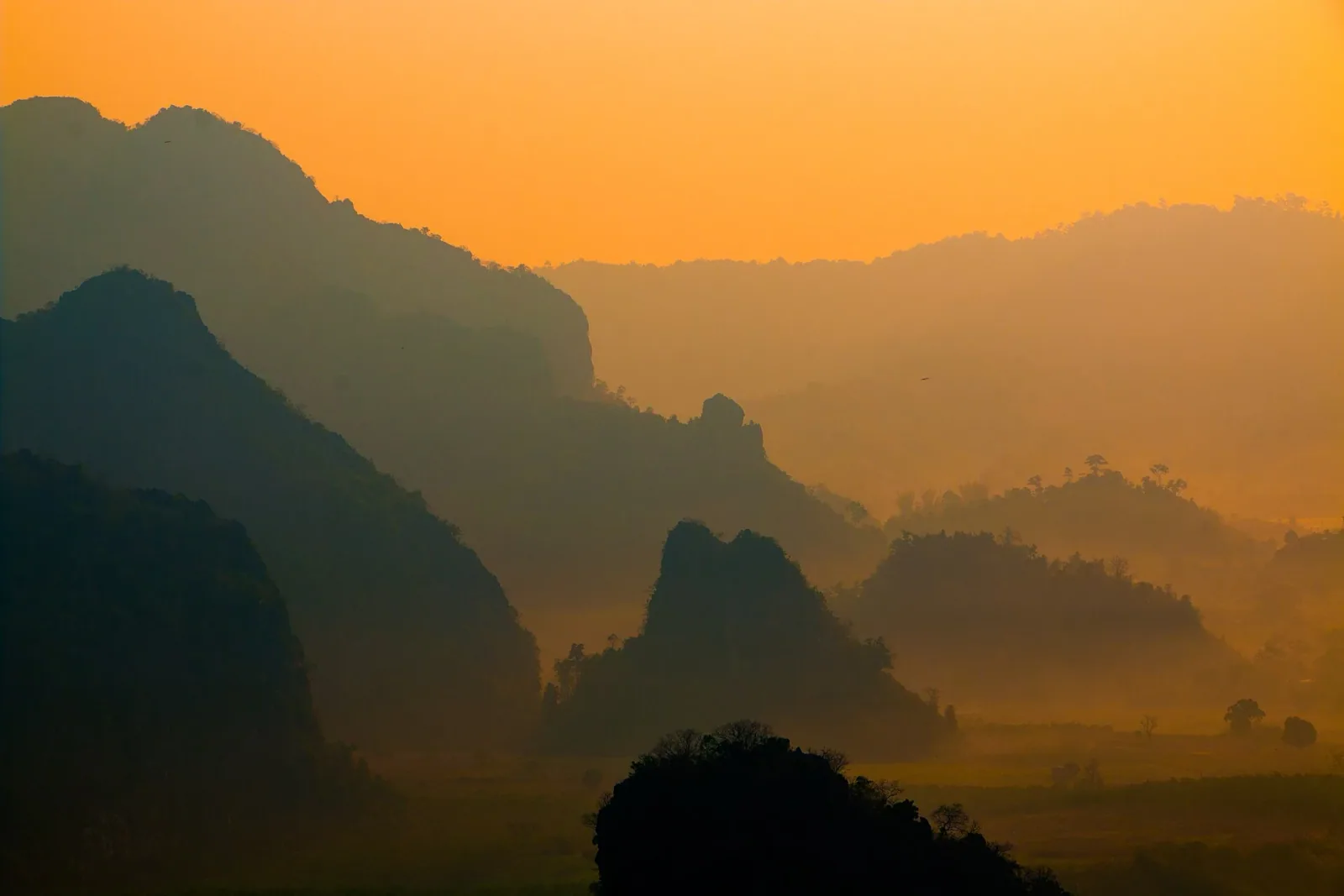
Phayao town itself is small—maybe 20,000 people in the urban core—and functional rather than charming. The architecture is standard Thai provincial: concrete shophouses, some weathered teak buildings from earlier eras, modern banks and government offices that could exist in any Thai city. There's no carefully preserved old town, no colonial architecture drawing photographers. What exists instead is a working town oriented toward local needs rather than visitor expectations.
The morning market operates from about 6am to 9am, packed with vendors selling produce so fresh it's often still wet from washing, fish from that morning's catch, prepared foods for people grabbing breakfast. By mid-morning it's largely disbanded, vendors returned to homes or other jobs. This isn't a permanent tourist market but a genuine daily gathering where locals shop. Prices reflect this—vegetables for 20-30 THB per kilo, full meals for 30-40 THB, fish at wholesale rates that make Bangkok seafood prices seem criminal.
Entertainment is limited by Western standards. There are no nightclubs, no bars catering to foreign tastes, no movie theaters. Evenings revolve around the night market (operating most days with rotating vendors), temple events, or simply gathering with friends over food and drinks. I've spent hours at lakeside restaurants with groups of Thai friends and the few other expats who've settled here, conversations stretching from dinner through late evening, bills arriving at amounts that wouldn't cover appetizers in most Western cities. The social life is simple but genuinely satisfying in ways that expensive nightlife rarely achieves.
Accommodation: Studios 3,500-7,000 THB monthly for basic fan-cooled rooms; 7,000-13,000 THB for modern apartments with air-con; 13,000-22,000+ THB for premium lake-view locations. Town center offers best access, while lakefront commands premium pricing within the affordable range.
Getting around: Town center is walkable for daily needs. Rent motorcycle (2,000-3,500 THB/month) for exploring the province and surrounding areas. Songthaews cover town routes for reasonable rates but schedules are loose. The lake path is perfect for walking or cycling.
Access: Well-connected by bus to Chiang Rai (~90 km, ~1.5 hours, 50-100 THB) and Chiang Mai (~150 km, 2.5-3 hours, 80-120 THB). From Bangkok requires 9-11 hours by overnight bus (400-600 THB) or fly to Chiang Rai/Chiang Mai and bus from there—Phayao has no commercial airport of its own.
Phayao's cultural identity connects to the broader Lanna Kingdom heritage that defines much of Northern Thailand. The temples reflect this—distinctive Northern architectural styles with multi-tiered roofs, intricate woodwork, and design elements you won't find in Bangkok temples. Wat Si Khom Kham on the lake's eastern edge showcases these traditions, its viharn housing Phra Chao Ton Luang—one of the largest seated Buddha images in Northern Thailand—and its grounds preserving centuries-old Lanna aesthetic principles and religious practices.
Silk weaving continues in family workshops scattered around the province. These aren't tourist demonstrations but working operations producing textiles for local and regional markets. Watch artisans work—the repetitive motion of shuttles, the gradual emergence of patterns, the concentration required for complex designs—and you're witnessing techniques passed through generations. You can purchase directly from weavers at prices far below what Bangkok boutiques charge for "handmade Northern silk," and the quality is often superior because these pieces are made for local appreciation rather than tourist sales.
Buddhist practice here feels integrated into daily life rather than performed for observers. Morning alms rounds happen along the lake path and through town neighborhoods—monks walking barefoot collecting food offerings, residents kneeling to make merit. Temple festivals draw community participation focused on spiritual observance and social connection rather than tourist entertainment. If you're interested in understanding Thai Buddhism beyond surface observations, Phayao's temples and communities offer accessible opportunities. For deeper context, explore our guide to Buddhism in daily Thai life.
Phayao's food scene centers on lake fish, and if you don't enjoy fish you'll struggle here. Every restaurant serves multiple preparations—grilled whole fish seasoned with salt and chilies, fish steamed with lime and herbs, fish curries in coconut milk, spicy fish soups that clear sinuses. The morning market offers fish so fresh it's sometimes still alive when purchased, vendors keeping it in aerated buckets until customers arrive. Restaurants along the lakefront specialize in these preparations, their open kitchens showing fish being gutted, cleaned, and cooked to order.
Beyond fish, Northern Thai specialties dominate. Khao soi appears on most menus—the rich curry noodle soup that's ubiquitous in Northern Thailand but varies by region. Phayao's version tends toward simpler preparation than Chiang Mai's more elaborate tourist-oriented versions. Sai oua (Northern sausage) grills at street stalls, filled with aromatics and herbs. Nam prik ong (tomato-chili dip) arrives with fresh vegetables for dipping. Sticky rice is the foundation of every meal, eaten with fingers from small woven baskets.
→ Fresh lake fish: Daily catch prepared grilled, steamed, fried, or in soups—exceptionally fresh and affordable
→ Khao soi: Northern curry noodles available everywhere, regional variations with local preferences
→ Street food: 20-40 THB per item—grilled meats, papaya salad, noodle soups, sticky rice dishes
→ Local restaurants: 50-120 THB for complete meals with multiple dishes, exceptionally affordable dining
→ Market produce: Fresh vegetables and fruits at prices 50-70% below Bangkok—shopping here is remarkably cheap
International food is essentially non-existent—this is for people who want to eat Thai food exclusively
Phayao works best for remote workers, retirees, and anyone whose income isn't tied to local employment. The job market for foreigners is essentially non-existent outside of occasional teaching positions. The expat presence is minimal—maybe 50-100 people total, mostly older retirees who've been here for years. This means limited support networks, no English-speaking services catering to expats, and zero infrastructure designed around foreign residents' expectations.
Language becomes crucial. Almost nobody speaks English outside tourist-oriented hotels and a handful of restaurants. Daily life—shopping at markets, dealing with landlords, visiting healthcare facilities, handling any government paperwork—happens entirely in Thai. For language learners, this immersion accelerates progress dramatically. For those unwilling or unable to learn Thai, Phayao will be isolating and frustrating. The cultural payoff for language investment is substantial, but you need patience and commitment.
Healthcare exists through the provincial hospital and private clinics—adequate for routine issues, dental work, and minor emergencies. Serious conditions or specialist care requires travel to Chiang Mai (2.5 hours) or Bangkok (flight from Chiang Rai). This makes Phayao better suited to generally healthy individuals rather than those managing complex medical conditions. For comprehensive healthcare planning, consult our Thailand health insurance guide.
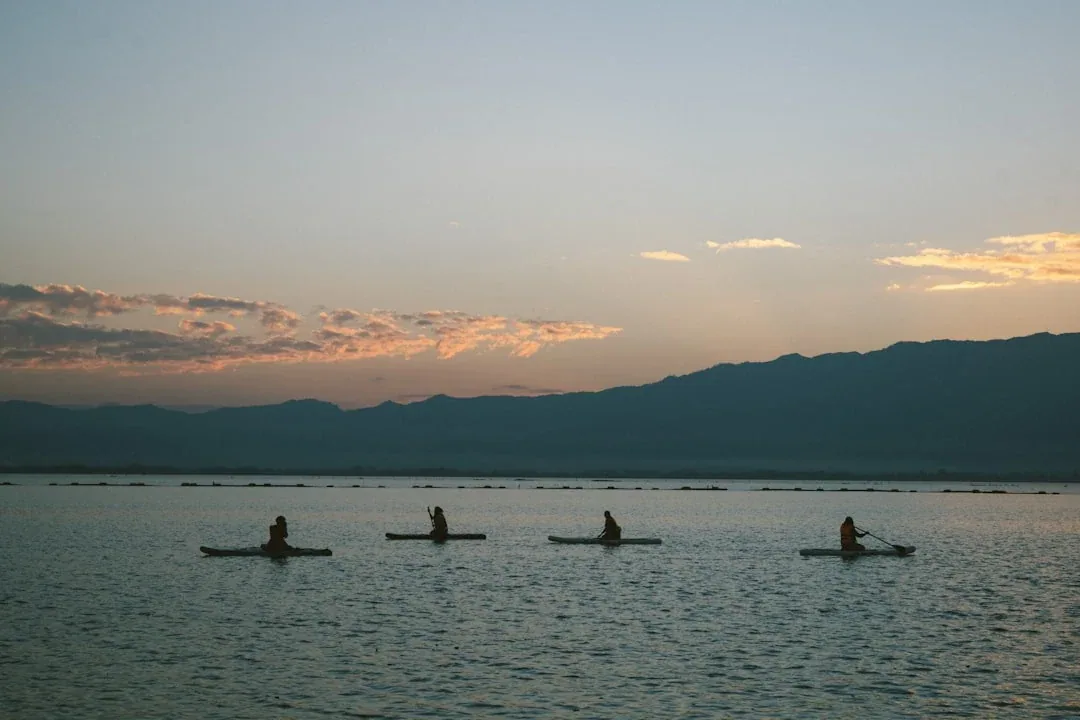
Phayao's mountain location provides cooler temperatures than central Thailand. Cool season (November-March) brings genuinely pleasant weather—14-26°C, clear skies, low humidity, perfect conditions for outdoor activities and lake exploration. Morning mist over the water creates atmospheric conditions that photographers dream about. This is unquestionably the best time to visit or arrive if you're planning to stay.
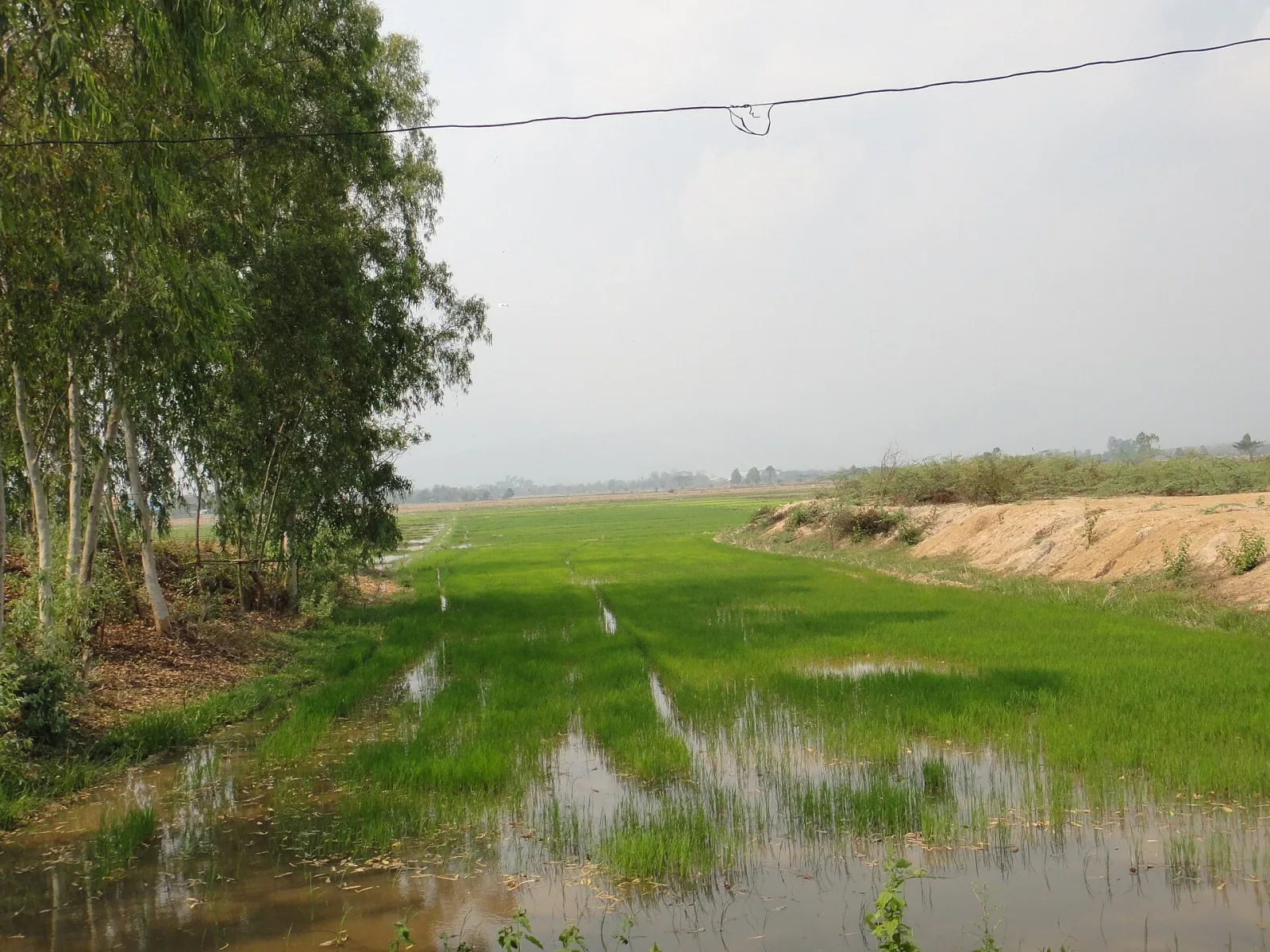
Hot season (April-May) reaches 28-36°C, moderated somewhat by the lake and mountain elevation. It's hot but not unbearable, especially compared to Bangkok's urban heat island. Rainy season (June-October) brings afternoon showers, lush greenery, and the lake at its most scenic. The landscape transforms—rice fields turn brilliant green, waterfalls in nearby national parks reach peak flow, and everything feels impossibly alive. Tourist numbers drop to almost zero, making it an excellent time for budget-conscious visitors who don't mind afternoon rain.
The province includes access to Phu Sang National Park and Phu Langka Forest Park—mountain terrain with hiking trails, viewpoints, camping facilities, and cooler temperatures at elevation. These aren't Khao Yai-level destinations attracting international visitors, but genuine wilderness areas offering quality outdoor experiences without crowds. For nature enthusiasts based in Phayao, these parks provide regular escape options within day-trip distance.
Phayao is exceptionally affordable—about 45-50% cheaper than Bangkok for comparable lifestyle. I've met remote workers living comfortably on 22,000 THB monthly all-in, and retirees managing on even less by cooking most meals and living simply. Studio apartment 8,000 THB, utilities 1,500 THB, food 7,000 THB if you eat out regularly, transport 1,200 THB for motorcycle rental, and you're still under 20,000 THB before adding entertainment or contingencies.
The lake's fish abundance keeps protein costs remarkably low during peak fishing seasons. Market produce prices seem almost absurdly cheap compared to Bangkok or Western countries—giant papayas for 20 THB, kilograms of fresh vegetables for 30-40 THB, mangoes in season for prices that make you question the entire global food system. Even eating out most meals, spending 8,000 THB monthly on food requires effort. Cook occasionally from market ingredients and you're looking at 5,000-6,000 THB feeding yourself quite well. For detailed cost comparisons across Thailand, see our comprehensive cost of living breakdown.
What you won't find in Phayao: international schools, Western restaurant chains, shopping malls, expat social clubs, English bookstores, craft cocktail bars, coworking spaces, or really any infrastructure designed for foreign residents. The province has essentially zero tourist development outside basic hotels near the lake. This isn't Chiang Mai with its established expat ecosystem. This is a genuine Thai provincial town that happens to be beautiful and affordable.
What you will find: a massive beautiful lake dominating daily life, fishing communities maintaining traditional practices, temples preserving Lanna heritage, morning markets serving locals at absurdly low prices, restaurants where fresh fish costs less than a Bangkok coffee, silk weavers continuing ancient techniques, genuine community integration opportunities for those willing to learn Thai and engage authentically, and living costs so low that 25,000-30,000 THB monthly provides comfortable lifestyle including regular travel.
Phayao demands certain commitments—learning Thai language, accepting limited amenities, embracing small-town pace, tolerating isolation from other expats and international services. The rewards for these commitments include exceptional affordability, genuine cultural immersion, peaceful lake-centered living, and the particular satisfaction of discovering somewhere beautiful that hasn't been "discovered" by everyone else. Two years after my unplanned overnight stop, I still return to Phayao for extended stays, drawn by the lake's serene presence and the knowledge that I can wake up each morning, walk to the water's edge, watch fishing boats drift across mirror-smooth surface, and live well on a budget that wouldn't cover rent alone in most expat-popular Thai destinations. For those seeking authentic Northern Thailand at minimal cost, Phayao delivers quietly but completely.
BEST FOR
NOT IDEAL FOR
KEY FACTS
Kwan Phayao
~20 km² reservoir · Largest freshwater lake in Northern Thailand
Wat Tilok Aram
Lakeside temple · Golden chedi, peaceful grounds
Fishing villages
Traditional livelihoods · Fresh fish daily