Provinces
🏝️Rayong Province
Tropical Fruit Paradise & Island Gateway
Tropical Fruit Paradise & Island Gateway
The speedboat cuts through turquoise water, Ban Phe pier shrinking behind you, Koh Samet's white beaches growing larger ahead. Twenty minutes from mainland Thailand, you're arriving at an island that somehow escaped the overdevelopment that consumed so many Thai beaches. No high-rises block the sunset. No jet skis shatter the morning calm. Just powder-white sand, crystalline water, and the kind of beach beauty that made Thailand famous before mass tourism discovered it. This is Rayong Province—about 185 kilometres south-east of Bangkok, close enough for weekend escapes yet remote enough to preserve authenticity that neighbouring Pattaya traded away decades ago.
Rayong Province stretches roughly 100 kilometres along the Gulf of Thailand, home to about 780,000 people whose economy rests on three pillars: world-class tropical fruits (especially durian), exceptional seafood and fish sauce production, and the petrochemical and automotive estates of the Eastern Economic Corridor. But for travellers, Rayong means one thing above all—access to Koh Samet, the jewel in Thailand's crown of accessible islands, combined with authentic coastal culture that survives intact despite proximity to Bangkok's sprawl.
The province offers something increasingly valuable: genuine Thai experiences without performing for tourists. Walk through Ban Phe's fish market at dawn, watching trawlers unload the night's catch while vendors bid on squid and mackerel. Visit during April-June fruit harvest season and roadside stalls sell durian so fresh and perfectly ripe it bears no resemblance to the exported versions. Eat at restaurants where menus exist only in Thai because locals outnumber foreigners fifty to one. This is coastal Thailand as it actually exists, not as it packages itself for package tours.
"This is Koh Samet—an island that somehow escaped the overdevelopment that consumed so many Thai beaches."
Koh Samet sits just six kilometers offshore—close enough for easy access (ferries run hourly from Ban Phe, 45 minutes, 50-70 baht), remote enough to filter out day-tripping crowds that plague beaches within swimming distance of shore. The island stretches about seven kilometers long, narrow enough to bike across in minutes, large enough to offer beach variety. Most development clusters along the eastern shore, leaving the western side and interior relatively wild. The entire island forms part of Khao Laem Ya-Mu Ko Samet National Park, which theoretically limits construction though enforcement quality varies.
Sai Kaew Beach anchors the north end—widest sand, most facilities, beach bars serving Chang beer and grilled seafood while fire dancers perform after dark. It's the island's party central, though "party" by Koh Samet standards means low-key compared to Full Moon madness elsewhere. Ao Prao on the western shore offers legendary sunsets, watching the sun drop into the Gulf while you're dining with toes in sand. For genuine seclusion, head to Ao Wai or Ao Kiu Na Nok on the southern coast—accessible by boat or rough trail, rewarding the effort with privacy that northern beaches can't match.
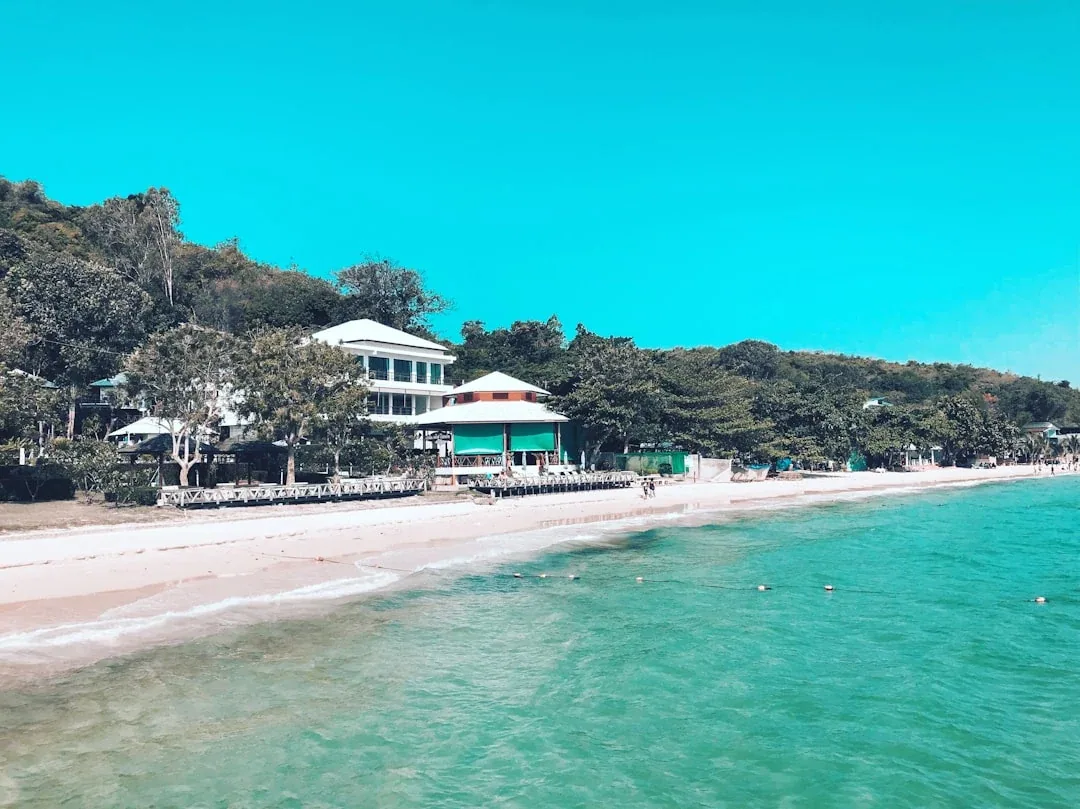
No cars operate on Koh Samet—the island's size makes them unnecessary and the national park status technically prohibits them. You walk, rent bicycles (100-150 baht daily), or hire motorcycle taxis for longer beach transfers. This keeps the atmosphere peaceful and prevents the traffic chaos that ruins so many Thai destinations. Accommodation ranges from basic beachfront bungalows (500-800 baht with shared bath) to upscale resorts like Le Vimarn Cottages with hillside villas (4,000-8,000 baht including sea views and pools). Book ahead for weekends and December-February peak season—the island fills fast, especially with Bangkok residents escaping the city for quick beach fixes.
National park fee: 200 THB for foreigners collected at pier on arrival. Keep receipt—valid for entire stay, checkpoints occasionally verify.
Best time: November-February offers perfect weather—calm seas, minimal rain, pleasant temperatures. March-May gets hot. May-October brings afternoon thunderstorms and rougher seas but dramatic discounts and fewer crowds.
Weekday advantage: Visit Monday-Thursday for 30-50% cheaper accommodation, near-empty beaches, and restaurants actually happy to see you. Weekend Bangkok invasions transform the vibe completely.
While Koh Samet draws most attention, mainland Rayong reveals the province's authentic character. Ban Phe functions as island gateway but maintains its identity as working fishing harbor. Arrive at dawn (5-7am) to witness the fish auction—trawlers docking after night voyages, crews unloading catches into plastic tubs, vendors examining squid and mackerel before bidding. The market atmosphere is purely functional, not performative. Prices reflect wholesale reality. Buy fresh prawns, crab, and fish for prices that make Bangkok seafood seem like highway robbery, then walk to waterfront restaurants that'll cook your purchase for nominal fees.
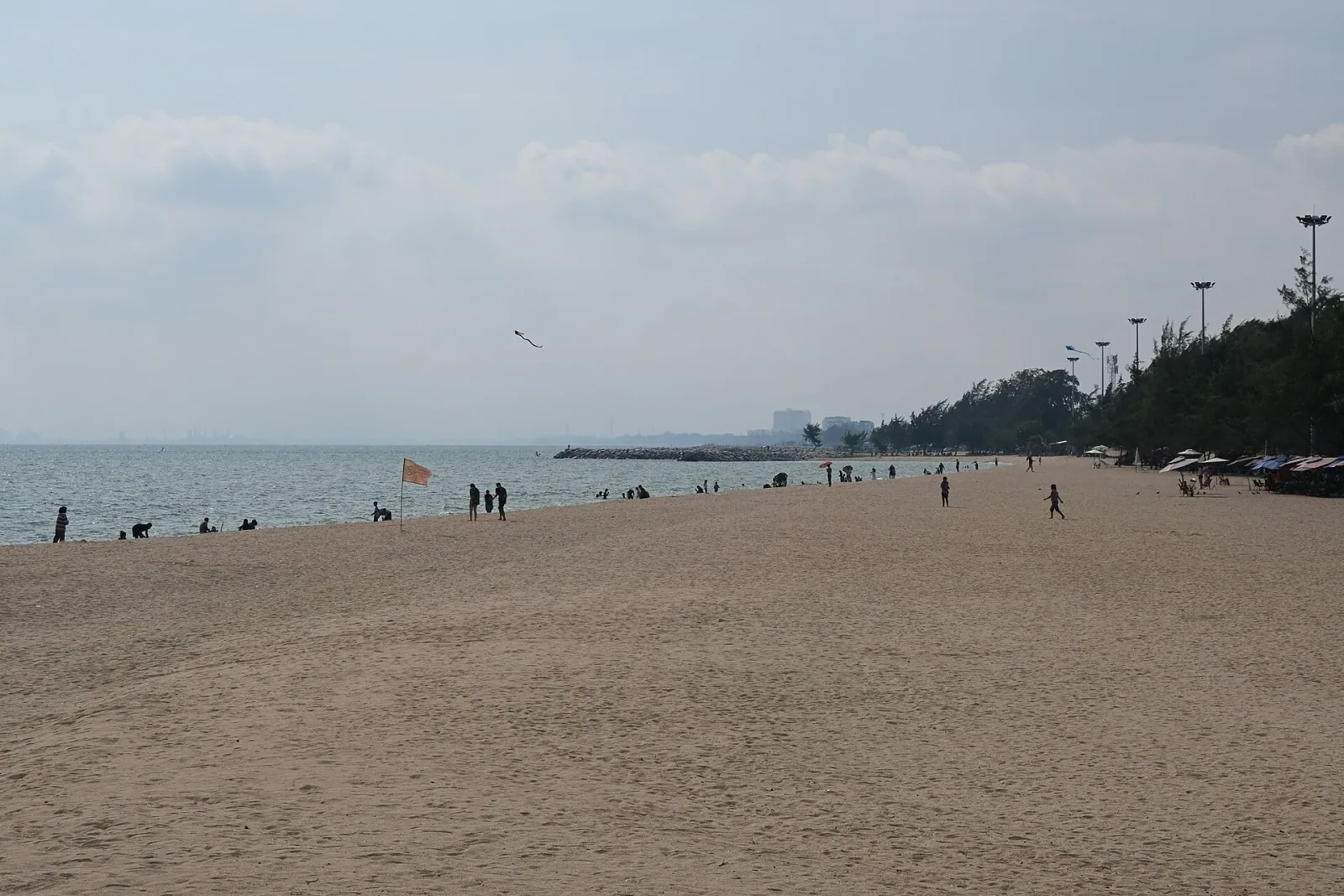
Laem Mae Phim, in Klaeng district roughly 45 kilometres east of Rayong city (and about 30 km east of Ban Phe), offers the province's most developed beach resort area—wide sandy beaches with casuarina trees providing shade, calm shallow waters ideal for families, beachfront resorts and seafood restaurants creating weekend getaway infrastructure. It's less pristine than Koh Samet, more accessible than offshore islands, and significantly more affordable than anything in Phuket or Samui. Think of it as Thailand's middle-class beach destination—unpretentious, functional, genuinely enjoyable if you're not chasing Instagram perfection.
The Tung Prong Thong "Golden Mangrove Field" at the mouth of the Prasae River protects several thousand rai of coastal wetlands—one of the largest intact mangrove stands left on the Eastern Seaboard. A roughly 1.8-kilometre elevated boardwalk winds through the forest, allowing observation of mudskippers, fiddler crabs and waterbirds without disturbing the habitat. Kayak tours navigate through the mangrove channels, signboards explain the ecosystem's importance for coastal protection and fisheries, and local restaurants serve seafood harvested sustainably from the estuary. It's eco-tourism done right—protecting nature while providing livelihoods and education.
April through June transforms Rayong into Thailand's fruit capital. This is durian country—specifically Mon Thong durian, considered the finest variety Thailand produces. The spiky fruit everyone either loves or despises reaches peak ripeness during these months, and roadside stalls sell it at prices that make export costs look absurd. A whole durian that might cost $25 abroad sells for 80-150 baht (depending on size and quality). Vendors will open one so you can taste before buying, and the flesh—creamy, sweet, with that distinctive durian intensity—tastes infinitely better when consumed hours rather than weeks after harvesting.
But durian's just the headliner. Mangosteen, rambutan, longan, lychee, and a dozen other tropical fruits ripen simultaneously, creating a window of several weeks when fruit enthusiasts should absolutely visit. Suphattra Land, an agricultural theme park, offers orchard tours where you can pick your own fruit, learn about cultivation methods, and eat as much as you want during tastings. Many fruit plantations welcome visitors—look for signs advertising "pick your own" or ask at tourist information. You'll pay a fraction of market prices and experience genuine rural Thai hospitality.
"A whole durian that might cost $25 abroad sells for 80-150 baht. The flesh tastes infinitely better when consumed hours rather than weeks after harvesting."
Rayong attracts several expat demographics. Retirees seeking affordable coastal living without Pattaya's chaos or prices. Foreign engineers and managers working at Eastern Seaboard industrial estates (petrochemical, automotive, electronics manufacturing). Small numbers of remote workers and location-independent professionals drawn to beaches and low costs. The expat community remains small compared to major hubs—check "Rayong Expats" Facebook group but expect less organization than Bangkok or Chiang Mai networks.
Accommodation ranges from shophouse rooms (3,000-5,000 THB monthly) to modern condos near beach areas (10,000-15,000 THB). Internet connectivity works well in Rayong city and developed areas—fiber optic available from major providers (AIS, True, 3BB) delivering 100-300 Mbps for 500-800 baht monthly. Rural beaches and Koh Samet have spottier connections. Healthcare centres on Bangkok Hospital Rayong (private, English-speaking doctors, international standards) for routine care, though serious conditions send people to Bangkok facilities 2.5 hours away.
Job opportunities for foreigners remain limited outside industrial sector positions. Teaching English at local schools pays 30,000-40,000 baht monthly—not lucrative but adequate given low costs. Tourism employment exists but requires Thai language skills and accepts Thai salary levels. Most foreigners here are either retirees, remote workers, or employed by international companies at their industrial facilities. Starting a business faces Thai regulatory challenges and capital requirements that make it difficult for newcomers.
Rayong is one of Thailand's traditional centres of nam pla (fish sauce) production, alongside Chonburi and Samut Sakhon. The fermentation process uses anchovies and salt, aged in concrete or wooden vats for months until the liquid develops its distinctive savoury depth. A handful of long-established Rayong factories still produce premium grades, and some run small tours showing how the brine is racked between vats. But more importantly, local cuisine benefits from this expertise—seafood preparations here achieve a flavour complexity difficult to replicate elsewhere.
Signature local dishes lean heavily on the Gulf catch: khanom chin nam ya pu (rice noodles with crab-based fish curry), hor mok pla (steamed fish curry in banana-leaf cups), kung chae nam pla (raw prawns in fish sauce and chilli), and grilled squid with seafood dipping sauce. Laem Charoen Seafood, a well-known Thai seafood chain, was founded in Rayong in 1979, and the original branch still serves some of the freshest preparations in the province. For budget dining, Rayong's evening street-food strips offer dish after dish at 30-80 baht apiece, while the morning markets sell produce and prepared foods at genuine local prices.
Getting here from Bangkok takes about 2.5-3 hours by car: most drivers take the tolled Motorway 7 past Pattaya (tolls totalling roughly 100 baht) before turning onto Route 36 into Rayong city. Buses depart Bangkok's Ekkamai Terminal every 30-60 minutes (3 hours, 140-180 THB to Rayong city, 160-200 THB to Ban Phe pier). Most expats rent scooters (150-200 THB daily, 2,000-2,500 THB monthly) for maximum flexibility exploring beaches and mainland attractions. Roads are quiet and easy to navigate compared to major tourist centres. For insights on managing finances in coastal Thailand, Rayong offers excellent value with adequate banking infrastructure.
Rayong suits people seeking coastal living without resort prices or tourist crowds. Retirees on modest budgets who want beach access and Bangkok proximity for medical care and international flights. Remote workers whose income is location-independent and who prioritize affordability over expat social infrastructure. Families wanting year-round beach access without paying Phuket premiums. People who appreciate authentic Thai culture over curated tourist experiences. Weekend warriors from Bangkok who want quick island escapes without flying.
It doesn't work for everyone. If you need vibrant nightlife, extensive international dining, or cosmopolitan social scenes, you'll feel limited. If you require specialized medical care regularly, the 2.5-hour Bangkok trip becomes inconvenient. If you need established expat communities and organized social events, the small scene here won't satisfy. Language barriers are steeper than major tourist areas—English proficiency is low, basic Thai becomes necessary for daily life. But if you can handle those limitations, Rayong delivers exceptional value with genuine Thai character intact.
Years later, you won't remember exact accommodation costs or bus schedules. You'll remember that first bite of durian so ripe it tasted like custard, purchased roadside for less than a coffee back home. You'll remember dawn at Ban Phe fish market, watching trawler crews unload the night's catch while seabirds circled overhead. You'll remember evenings on Koh Samet, dining at beach restaurants with sand between your toes, fire dancers performing as the sun dropped into the Gulf. You'll remember the provincial pace—slower, less polished, more human than Thailand's tourist machines.
Rayong doesn't compete with southern Thailand's postcard beauty or northern mountains' dramatic scenery. It offers something simpler: accessible island paradise, fresh seafood at honest prices, tropical fruits at their absolute peak, and coastal Thai culture that hasn't been performed into extinction. If that appeals—if you want beaches and authenticity more than sophistication—Rayong delivers. Just visit on a weekday. Trust me on this. Weekend Bangkok crowds transform the vibe completely.
KNOW BEFORE YOU GO
Population
~782,000 (2024)
Monthly Budget
20,000-30,000 THB
Best Season
November-February
From Bangkok
~185 km (2.5-3 hours)
MUST-DO
TYPICAL COSTS
→ Budget beach living
→ Weekend Bangkok escapists
→ Seafood & fruit enthusiasts
→ Retirees seeking quiet coast
→ Authentic Thai culture
Koh Samet: Pristine white-sand island
Durian: Mon Thong heartland (April-June)
Fish sauce: Long-established nam pla makers
Fresh seafood: Gulf of Thailand catches