Northern Thailand
🏞️Tak Province
Border wilderness and waterfall wonderland
Border wilderness and waterfall wonderland
Standing at the Friendship Bridge connecting Mae Sot to Myawaddy, Myanmar, watching traders push carts loaded with jade, textiles, and produce across the narrow span, you understand immediately that Tak Province exists in a different Thailand than the one sold to tourists. This is frontier country—roughly 580 kilometers of border with Myanmar (the longest of any Thai province), mountains exceeding 2,000 meters, Thailand's largest waterfall, and a cultural melting pot where Thai, Burmese, Karen, and Shan peoples have mingled for centuries.
Tak stretches along Thailand's northwestern edge, one of the country's most sparsely populated provinces with roughly 700,000 people spread across about 16,400 square kilometers of dramatically varied terrain. The province takes its name from King Taksin the Great, who served as governor of Tak (as "Phraya Tak") before founding the Thonburi Kingdom in 1767 after the fall of Ayutthaya. Today it remains a place where Thailand and Myanmar blend culturally, where wilderness dominates development, and where travelers willing to venture beyond standard routes discover experiences unavailable elsewhere in the country.
Mae Sot—the province's most dynamic town—pulses with cross-border energy: gem traders haggling over jade and rubies, Burmese restaurants serving mohinga and tea leaf salad, markets overflowing with goods from both countries, and a linguistic mix where Burmese is heard as commonly as Thai. The town also hosts a large displaced Burmese population, NGOs supporting refugees from camps such as Mae La (the largest Karen refugee camp on the Thai side), and a garment industry built around migrant labour. Meanwhile, in the province's remote southern reaches, Umphang district contains some of Thailand's last great wilderness and Thi Lo Su, widely considered Thailand's largest waterfall. Between these poles lies Bhumibol Dam with its vast reservoir and floating raft house culture, national parks protecting pristine forests, and provincial life at costs so low your monthly expenses feel almost fictional.
"This is frontier country where Thailand and Myanmar blend culturally, where wilderness dominates development, and where travelers discover experiences unavailable elsewhere."
Thi Lo Su Waterfall stands as Tak's natural crown jewel and one of Thailand's most spectacular yet least-visited wonders. The falls cascade some 250 meters down limestone cliffs in a curtain of water that can reach 400-450 meters wide during peak flow after monsoon rains. Unlike Thailand's more famous waterfalls reduced to trickles by hot season, Thi Lo Su maintains impressive flow most of the year, though November through January offers optimal viewing when recent rains have swelled the falls without making access roads impassable.
Getting there requires commitment. From Mae Sot, Highway 1090—famously one of Thailand's most winding roads—snakes 164 kilometers through mountains to Umphang village, taking 4-5 hours despite the relatively short distance. The road climbs and descends repeatedly, offering spectacular mountain views but demanding experienced drivers. From Umphang, reaching the falls requires either a 4WD vehicle during dry season or a combination of truck and hiking during wet months when roads become impassable.
But the effort rewards magnificently. Stand at the base as water thunders down, mist rising to create perpetual rainbows, and you're experiencing one of Thailand's greatest natural wonders in relative solitude. During weekdays outside Thai holidays, you might have the falls virtually to yourself—something unthinkable at comparable natural attractions elsewhere in Thailand. Swimming is permitted in designated areas, and the water is bracingly cold even in hot season. Camping is allowed, and spending the night lets you experience the falls at sunset and sunrise when light transforms the cascading water into gold and pink.
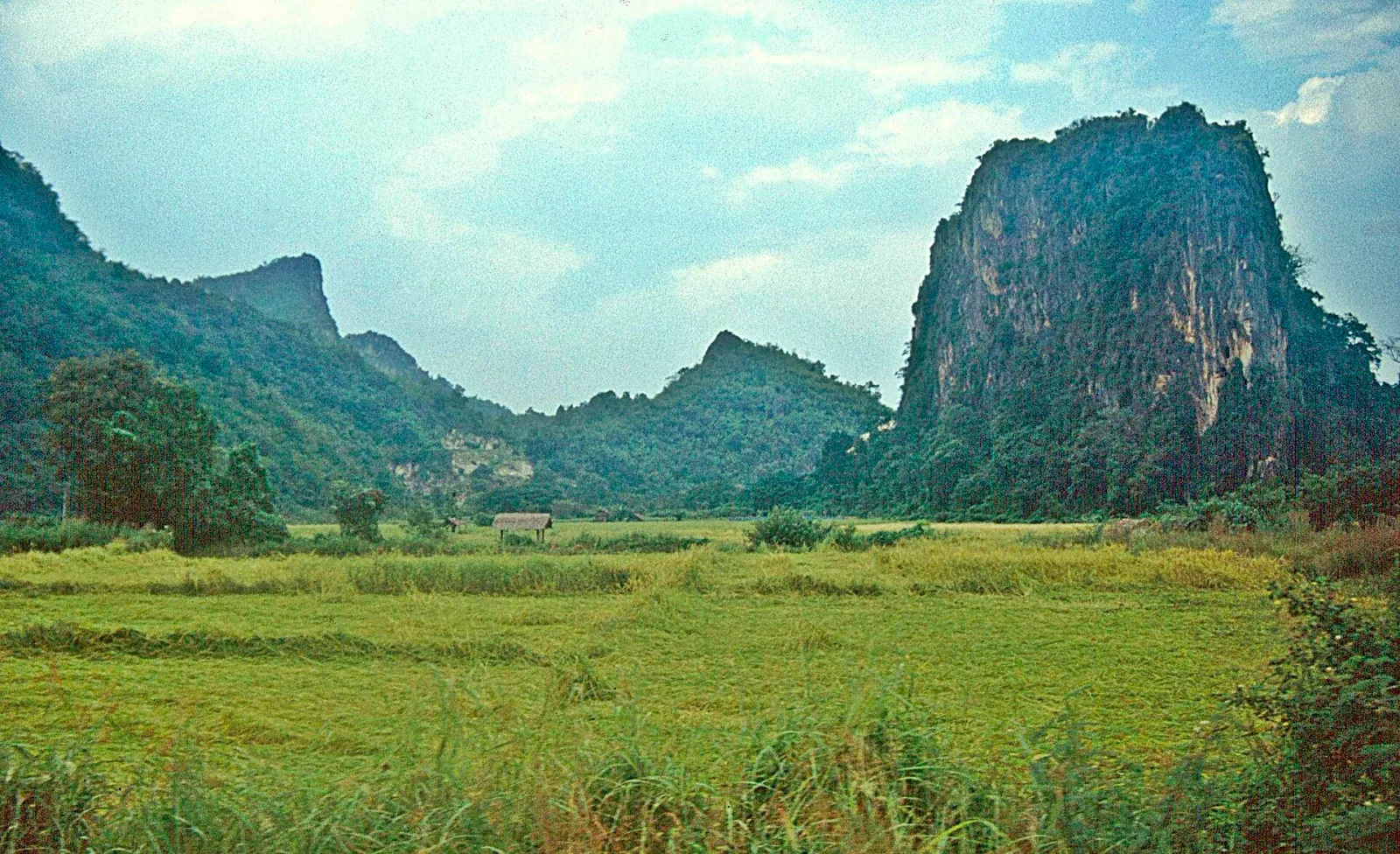
Beyond Thi Lo Su, Taksin Maharat National Park protects extensive wilderness with multiple waterfalls, hiking trails through pristine forest, and wildlife including elephants, gibbons, and over 200 bird species. Lan Sang National Park to the north offers more accessible waterfall viewing and camping. These parks represent Thailand's commitment to wilderness preservation, protecting ecosystems increasingly rare as development spreads. For visitors willing to trek beyond paved roads, the sense of genuine wilderness—not park-managed nature but truly wild forest—remains palpable.
Mae Sot, about 86 kilometers west of Tak city via Highway 105, defies easy categorization as a Thai town. Walk through the border market at Rim Moei and you'll hear Burmese, Karen, Shan, and Thai spoken interchangeably. Vendors sell Burmese longyi (traditional skirts), jade jewelry, thanaka (Burmese cosmetic paste), alongside Thai products. Restaurants serve mohinga (Burmese fish noodle soup), tea leaf salad, and samosas alongside pad thai. Gem traders occupy storefronts, dealing in jade and rubies smuggled—or officially imported, depending on current border regulations—from Myanmar's mines.
The town's ethnic diversity creates an atmosphere unlike anywhere else in Thailand. The population includes Thai, Burmese, Karen hill tribe people, Shan, and Mon, each group maintaining distinct cultural identities while coexisting in this border zone. Buddhist temples displaying Burmese architectural styles sit near mosques serving Muslim communities. The morning market erupts in a linguistic chaos where pointing and gesturing often communicate more effectively than any single language.
The Friendship Bridge—technically the Thai-Myanmar Friendship Bridge at Moei River—allows Thai nationals and some foreigners to cross into Myanmar's Myawaddy for day trips, but conditions on the other side have changed dramatically since the February 2021 Myanmar coup. Fighting between the Myanmar military and resistance forces has repeatedly reached the border—Karen forces briefly captured Myawaddy in April 2024—and the crossing has been closed or restricted multiple times. Refugee inflows have spiked, and scam compounds operating just across the river (notably around Shwe Kokko and KK Park) have drawn international scrutiny. Always check the latest Thai foreign ministry and FCDO/State Department advisories before attempting to cross, and treat the border zone with appropriate caution.
Mae Sot's food scene reflects its diversity magnificently. Burmese restaurants serve authentic mohinga—rice noodles in fish broth with lemongrass, banana stem, and fritters—for 40-60 baht. Tea shops offer Burmese-style milk tea and snacks. Street vendors grill satay and serve Northern Thai specialties. The night market combines Thai, Burmese, and international influences, creating a culinary experience unlike anywhere else in Northern Thailand. For those seeking authenticity over Western familiarity, Mae Sot delivers spectacularly.
Bhumibol Dam—one of Thailand's largest hydroelectric projects—created a 300-square-kilometer reservoir surrounded by forested mountains. The reservoir supports a unique accommodation culture: floating raft houses ranging from basic bamboo structures (500-700 baht nightly) to comfortable resorts with restaurants and activities (1,200-1,800 baht). These rafts anchor in quiet coves, surrounded by mountains, offering complete tranquility broken only by occasional longtail boat traffic.
Staying on a raft house means disconnecting—mobile signal is weak to nonexistent, internet essentially unavailable, and entertainment consists of swimming, fishing, kayaking, and watching the sunset. Meals feature fresh reservoir fish grilled or steamed, served with rice and simple Thai dishes. The experience appeals to those genuinely seeking escape from connectivity and stimulation. Wake at dawn, watch mist burn off mountains as light fills the sky, and understand why Thai families return year after year despite the lack of modern amenities.
The reservoir's clean water allows swimming, and the protected status means development remains minimal. Boat tours visit caves, scenic viewpoints, and Karen villages along the shore. Fishing is popular, with the reservoir supporting healthy populations of snakehead, catfish, and other species. For budget travelers and adventurous expats, the raft house experience provides unique accommodation at costs far below standard hotels, combined with natural beauty rivaling anywhere in Thailand.
Studio apartment (Mae Sot or Tak city): 4,000-6,000 THB
Utilities (electric, water, internet): 1,000-1,500 THB
Food (markets, street stalls, Burmese restaurants): 5,500-7,000 THB
Transportation (motorbike rental): 1,500-2,000 THB
Activities, entertainment, miscellaneous: 2,500-3,500 THB
Total: 18,500-24,000 THB/month (~$530-$685 USD)
Living costs in Tak remain exceptionally low by international standards. Studio apartments in Mae Sot or Tak city run 3,000-6,000 baht monthly. One-bedroom places with air conditioning cost 4,500-7,500 baht. Food costs are minimal—street food meals 40-80 baht, restaurant meals 60-150 baht, with Burmese restaurants offering exceptional value. Your total monthly costs, living comfortably with regular restaurant meals and occasional raft house weekends, rarely exceed 18,000-25,000 baht ($500-$700).
The expat community in Mae Sot is small but more substantial than in purely provincial towns, consisting primarily of NGO workers, missionaries, and gem traders. This creates slightly better English-language infrastructure and international restaurant options compared to Tak city. However, both towns remain authentically provincial—you're expected to adapt to Thailand rather than Thailand adapting to you. Learning basic Thai is essential, though in Mae Sot, learning basic Burmese phrases also proves surprisingly useful.
Internet connectivity in Mae Sot and Tak city is adequate for remote work—4G coverage is solid, and fiber internet offers 300-600 Mbps in urban areas. However, remote national parks and Umphang have limited to no connectivity. If your work requires reliable internet, verify your specific location carefully. Healthcare exists at Tak Hospital and Mae Sot Hospital with basic services, but serious medical issues typically require transfer to Chiang Mai (5-6 hours) or Bangkok (6-7 hours).
Mae Sot has a small airport with daily flights to Bangkok (1.5 hours, 2,000-4,000 baht), making it significantly more accessible than purely land-route destinations. This connectivity means you can maintain Tak as a base while still accessing Bangkok or international flights with relative ease. The airport transforms Mae Sot from isolated frontier to feasibly connected provincial town, expanding its appeal for remote workers and digital nomads who need occasional travel flexibility. For broader context on long-term stays, our visa guides cover essential requirements.
Every November during Loi Krathong, Tak city hosts one of Thailand's most distinctive festivals. While most of Thailand floats lotus-shaped krathongs, Tak's version uses thousands of coconut shell krathongs released in procession down the Ping River. The effect is spectacular—a glowing river of lights extending for kilometers, each krathong carrying a candle and incense. The festival includes beauty pageants, cultural performances, and food markets, drawing Thai tourists but remaining relatively unknown internationally.
The festival exemplifies Tak's character: distinctively Thai yet different from what tourists expect, spectacular yet uncrowded, traditional yet living rather than performed. If you're in Northern Thailand during November, experiencing Tak's Loi Krathong Sai offers cultural insight impossible to replicate elsewhere. The festival demonstrates how provincial Thailand maintains traditions that differ from Bangkok's standardized versions, preserving regional identity despite modernization pressures.
→ Thi Lo Su, Thailand's largest waterfall
→ Mae Sot's unique blend of Thai, Burmese, and Karen cultures
→ Authentic Burmese cuisine at remarkably affordable prices
→ Floating raft house stays on pristine reservoir waters
→ Pristine wilderness in national parks with minimal development
→ Myanmar border crossing experiences (when permitted)
→ Monthly costs that make long-term stays financially effortless
Let's address Tak's limitations honestly. The province is remote—far from major cities, with limited public transport beyond main routes. Reaching Umphang and Thi Lo Su requires either your own vehicle or expensive tour arrangements. The road to Umphang (Highway 1090) is dangerous during rainy season with frequent landslides and flooding, and many tour operators close July through September. Healthcare is basic, requiring travel to Chiang Mai or Bangkok for serious issues.
The climate follows typical Northern patterns but tends hotter and drier than provinces further north. Hot season (March-May) brings punishing 38-42°C temperatures when outdoor activities become nearly impossible without extreme discomfort. Cool season (November-February) offers ideal conditions with temperatures 15-30°C. Rainy season (June-October) brings heavy downpours that make some roads impassable but also fills waterfalls magnificently.
Entertainment options are minimal compared to tourist destinations or larger cities. Mae Sot has a few bars and restaurants catering to the NGO worker crowd, but nightlife is limited. Tak city is even quieter. This isn't a destination for those seeking active social scenes or cosmopolitan amenities. What it offers instead is authentic frontier Thailand, spectacular natural beauty, and costs so low you can live comfortably on minimal budget while saving substantial portions of your income. For insights into Thai cultural integration, our guides provide essential context.
"Tak offers authentic frontier Thailand, spectacular natural beauty, and costs so low you can live comfortably while saving substantial portions of your income."
Tak works beautifully for nature enthusiasts drawn to waterfalls, wilderness, and outdoor activities. Remote workers seeking extreme affordability combined with occasional urban connectivity via Mae Sot's airport often find the balance appealing. Cultural explorers fascinated by ethnic diversity and border dynamics discover experiences unavailable elsewhere in Thailand. Adventure travelers willing to handle challenging roads and basic facilities rank Tak among Thailand's most rewarding off-beaten-path destinations.
It doesn't work for everyone. If you need extensive English services, Western amenities, reliable healthcare, or active social scenes, Tak will frustrate. If you're not willing to navigate language barriers, accept occasional infrastructure limitations, and adapt to frontier living, choose elsewhere. If you prefer comfort over adventure and convenience over authenticity, stick to Chiang Mai or Bangkok. But if you're drawn to wild places, cultural complexity, and the chance to live where Thailand meets Myanmar at remarkable affordability, Tak delivers experiences worth every challenge.
What keeps me returning to Tak, despite easier options throughout Northern Thailand, is precisely its refusal to compromise its frontier character. Thi Lo Su cascades magnificently whether tourists visit or not. Mae Sot's markets operate for cross-border trade, not tourism. The raft houses serve Thai families seeking weekend escapes, not international travelers. And somehow, experiencing a Thailand that exists for its own purposes—where you're welcome but not catered to, where beauty is shared but not packaged—feels more valuable than any carefully curated tourist experience. The waterfalls, the border culture, the wilderness, the affordable simplicity—Tak offers all this for less per month than Bangkok accommodation alone would cost. And for travelers seeking authentic frontier experiences, that's an opportunity increasingly rare in modern Southeast Asia.
ESSENTIALS
Population
~700,000
Area
~16,400 km²
Monthly Budget
18,500-24,000 THB
Studio Rent
3,000-6,000 THB
BEST FOR
• Waterfall & wilderness lovers
• Cultural explorers
• Border town enthusiasts
• Adventure travelers
CLIMATE
Thi Lo Su Waterfall
Thailand's largest, ~250m cascade, up to 450m wide
Mae Sot Border Town
Myanmar culture, markets, gem trading
Bhumibol Dam
300 km² reservoir, raft houses
Loi Krathong Sai
November festival, thousands of lights
By Air (Mae Sot)
Daily flights from Bangkok
1.5 hours, 2,000-4,000 THB
By Bus
6-7 hours from Bangkok
350-500 THB
From Chiang Mai
5-6 hours by bus
250-350 THB