Provinces
🌊Trang Province
Southern Thailand's Andaman Hidden Gem - Birthplace of Thai Rubber
Southern Thailand's Andaman Hidden Gem - Birthplace of Thai Rubber
The morning fish auction at Trang's central market starts before most people wake. By 5:30am, the concrete floor glistens with ice melt and seawater as fishermen unload their night's catch—tiger prawns the size of your forearm, blue crabs still snapping irritably, squid so fresh they shimmer in the fluorescent light. Restaurant owners bid aggressively in rapid-fire Southern Thai dialect while curious expats navigate the chaos, realizing they've stumbled into something Phuket lost decades ago: authentic coastal Thailand where fishing isn't a tourist attraction but the economic heartbeat of an entire province.
Trang Province sits along the Andaman Coast between the well-trodden tourist corridors of Krabi to the north and Satun to the south. With a population of 635,000 spread across roughly 4,917 square kilometers, the province manages to feel genuinely undeveloped despite a long Andaman coastline, dozens of offshore islands, pristine beaches, and some of southern Thailand's most spectacular limestone karst formations. While Phuket drowns in package tourists and Krabi's Railay Beach becomes increasingly Instagram-saturated, Trang maintains the slower pace, authentic character, and exceptional value that originally drew adventurous travelers to Thailand's southern coast.
What makes Trang different isn't just the affordable cost of living or the pristine islands—though both are remarkable. It's the sense that you've arrived somewhere real, where tourism exists but hasn't consumed the local identity. The historic city center preserves its Sino-Portuguese shophouse architecture from the late 19th-century tin and rubber boom, century-old buildings still function as family businesses, and the morning markets sell to locals rather than souvenir hunters. Trang is widely recognized as the birthplace of Thailand's commercial rubber industry — Hokkien-Chinese governor Phraya Ratsadanupradit Mahison Phakdi (Khaw Sim Bee Na Ranong) planted the country's first rubber seedlings here around 1899 — and that Hokkien heritage still shapes the city's food, festivals, and family-run shophouses.
"While Phuket drowns in package tourists and Krabi becomes increasingly saturated, Trang maintains the slower pace, authentic character, and exceptional value that originally drew travelers to Thailand's southern coast."
Dozens of islands scatter along Trang's roughly 200-kilometer Andaman coastline, each with distinct character but sharing one crucial trait: they're blissfully uncrowded. Koh Muk, home to the famous Emerald Cave (Tham Morakot), sees a fraction of the visitors that descend on Phi Phi Islands daily. You swim through the narrow cave entrance—around 80 metres of darkness before emerging into a hidden lagoon surrounded by vertical cliffs and a secret beach accessible only through that underwater passage. It's the kind of experience that once defined Thai island hopping before mass tourism homogenized the experience.
Koh Kradan offers what travel magazines promise but rarely deliver: white sand beaches where you can walk for twenty minutes without encountering another person. The island sits within a marine national park, meaning development is strictly controlled. Simple bungalows replace the sprawling resorts of more famous islands, and the coral reefs just offshore remain healthy enough that you can snorkel directly from the beach. During green season (May-October), some beaches become nearly private. I've watched sea turtles nest on Koh Kradan's east coast at dawn, the only witness to something that's happened here for millennia.
The logistics of island access actually protect these places from over-tourism. While Phuket and Samui have airports delivering thousands daily, Trang's islands require boat transfers from Pak Meng, Hat Yao, or Kuan Tung Ku piers—inconvenient enough to filter out casual tourists but manageable for anyone genuinely interested. Speedboats run daily routes (400-1,500 THB depending on distance), and you can charter long-tail boats for 1,500-3,000 THB per day to explore at your own pace. Several islands offer overnight accommodations ranging from rustic beach bungalows (500-1,200 THB) to more comfortable resorts (2,000-5,000 THB), allowing you to experience the islands after day-trippers depart and before the next wave arrives.
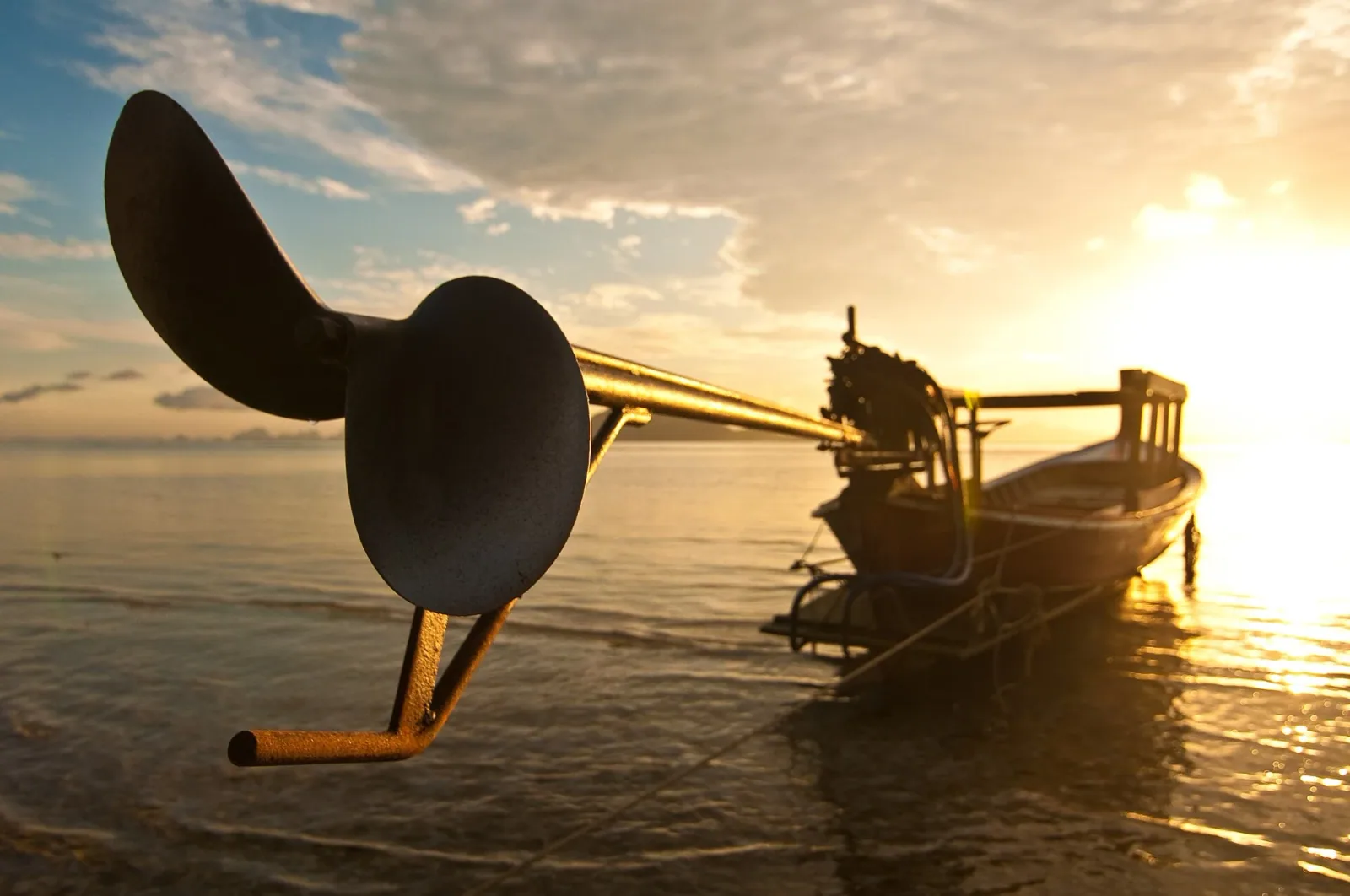
Koh Sukorn, in the south of Trang, offers what Koh Lanta (across the provincial border in Krabi) used to feel like a decade ago—rubber and watermelon plantations, water-buffalo paths between villages, and a Muslim fishing community that lives largely independent of tourism. Bungalow rentals are affordable (8,000-15,000 THB monthly for simple beachfront stays), the snorkelling and birding are excellent, and a small but established expat community means you can find good coffee and reliable internet without sacrificing the island atmosphere. For digital nomads who want coastal living without complete isolation, Trang's southern islands offer the sweet spot between accessibility and authenticity. Learn more about planning your island visits in our island hopping guide.
Trang City doesn't announce itself dramatically. There's no grand waterfront promenade or iconic landmark visible from the highway. Instead, the city reveals itself gradually as you explore the old town's narrow sois and discover the architectural legacy of the tin and rubber boom that built it. Two-story Sino-Portuguese shophouses line historic streets, their pastel facades and ornate wooden shutters unchanged for a century. Ground floors still function as family businesses—gold shops, herbal medicine sellers, textile merchants—while families occupy the upper floors, maintaining a pattern of urban life that predates modern zoning.
The Clock Tower anchors the city center, surrounded by Chinese temples, spice markets, and the kinds of streetside vendors who've occupied the same spots for decades. Saturday nights transform the old town into Walking Street, a weekly market that feels genuinely local rather than tourist-oriented. Yes, you'll find handicrafts and souvenirs, but the emphasis is on food—endless stalls selling Southern Thai specialties that rarely appear in Bangkok restaurants. This is where locals come to eat, socialize, and shop, and visitors are welcome participants rather than the primary audience.
What surprised me most about Trang City wasn't the historic architecture or the markets—it was the food culture. Trang is recognized across Thailand as the seafood capital, a designation earned through proximity to exceptionally productive fishing grounds and centuries of culinary tradition. Morning markets explode with variety: grouper, snapper, barracuda, octopus, mantis shrimp, and those legendary tiger prawns that appear in tourist photos but taste entirely different when they're hours rather than days from the ocean. Street vendors grill, steam, and fry seafood while you watch, selling meals for 40-100 THB that would cost five times as much in tourist areas while tasting half as good.
Trang dim sum breakfast (5am-10am): Hokkien-style dim sum (ติ่มซำ) is Trang's signature morning ritual — old-school shops around the railway station serve steamed baskets paired with strong oliang coffee. 80-200 THB for a full table.
Mu yang Trang (roast pork): Trang's defining dish — whole pig roasted Cantonese-style with crackling skin. Sold by weight at dedicated shops along Phattalung Road, typically before lunchtime; once they sell out, they close. 80-150 THB per 100g.
Ratchadamnoen Road night market (daily 5pm-11pm): The permanent night market offers consistent quality. Try gaeng som (Southern sour curry), khao mok (Southern-style biryani), and the rotating selection of family-recipe specialties. Discover more about regional Thai cuisines in our food guide.
The romantic vision of coastal Thailand living collides with practical reality when you consider internet speeds, healthcare access, and the daily infrastructure that makes remote work or long-term residing actually viable. Trang occupies an interesting middle ground—far more developed than truly rural provinces but lacking the comprehensive infrastructure of major cities or established expat hubs.
Internet service is adequate but requires realistic expectations. Fiber optic connections reach the city center and some suburban areas, delivering 50-100 Mbps for 500-700 THB monthly through providers like AIS Fiber and True. Mobile data provides reliable backup—4G coverage is solid throughout the province, with 5G expanding in urban areas. Video calls work consistently, cloud-based work is manageable, but large file transfers can be frustratingly slow. During monsoon season (June-September), occasional outages occur, making mobile hotspots essential backup for anyone whose income depends on connectivity. This isn't Chiang Mai or Bangkok where you can assume consistent high-speed internet everywhere. It's workable for remote work, but you'll need contingency plans.
Healthcare quality sits well below Bangkok or Phuket standards but covers routine needs competently. Trang Hospital (public) and the private Wattanapat Hospital Trang and Thonburi Trang Hospital handle general consultations (300-600 THB), minor procedures, and specialist appointments (600-1,200 THB). Dental work is exceptionally affordable and surprisingly good—many expats specifically seek out Trang dentists for major work, saving thousands compared to Western prices. For serious conditions or complex procedures, most long-term residents travel to Hat Yai's Bangkok Hospital (~2 hours by road) or Phuket (around 4.5 hours), or accept that medical evacuation insurance is essential. The gap isn't dangerous for generally healthy adults, but families with children or people with chronic conditions need to factor in the limited specialist care available locally. More information on Thailand's healthcare system is available in our health guide.
→ Comfortable budget (25,000-35,000 THB/month): One-bedroom condo in city center, daily meals mixing street food and restaurants, motorcycle rental, occasional island trips, café working sessions, social life
→ Luxury local living (40,000-60,000 THB/month): Beachfront accommodation, regular island hopping, fine dining, diving/snorkeling activities, higher-end healthcare, comfortable lifestyle with savings buffer
→ Minimalist budget (18,000-22,000 THB/month): Basic accommodation outside center, predominantly street food, limited entertainment, sustainable but tight. Requires discipline and contentment with simple living
The expat community is small—several hundred people rather than thousands—which creates both advantages and limitations. You won't find the organized activities, international restaurants, and comprehensive support networks of Chiang Mai or Bangkok. What you will find are close-knit friendships, people who genuinely chose Trang rather than defaulting to the usual destinations, and a sense of discovery that's increasingly rare in Thailand. Local Facebook groups and a handful of cafés in the old town do most of the social heavy lifting, with community interaction happening organically through cafés, beaches, and the small pool of English-speakers you'll inevitably encounter repeatedly.
Khao Chong Botanical Garden, in the foothills east of Trang City, is a fern- and waterfall-rich rainforest reserve with canopy walkways and easy birding trails. The dramatic limestone karst caves of Tham Le Khao Kob — where long-tail boats thread through underground passages that open into hidden valleys — and the cathedral-like chambers of Tham Khao Pina draw a steady trickle of visitors but nothing like the crowds at Krabi's better-known attractions. They're the kind of places you visit, take your photos, appreciate the natural beauty, and remember.
What keeps long-term residents engaged with Trang are the less photogenic but more sustainable pleasures. The early morning motorcycle ride along coastal Highway 4162 when the air is still cool and fishing villages are just waking up. The family-run restaurant in Kantang that serves the best southern curry you've ever tasted but has no English sign and closes whenever they sell out. The rubber plantations that dominate the rural landscape—you'll see workers tapping trees in early mornings, a traditional practice that remains economically vital to the region. These aren't attractions; they're the texture of actual life in southern Thailand.
Wat Tantayaphirom in Trang City — home to one of southern Thailand's most revered Buddha-footprint reliquaries — and the hilltop Wat Khao Pina draw Buddhist pilgrims more than tourists. The hillside temples reward your effort with stunning views across the province, and during Buddhist holidays the atmosphere becomes intensely spiritual as devotees arrive from across southern Thailand. Outside those peak times, you might find yourself alone with the monks, experiencing a Thailand that exists entirely independent of tourism. Understanding Buddhism in daily Thai life enriches these experiences immeasurably.
Trang works brilliantly for specific types of people and fails completely for others. Remote workers whose income is location-independent and whose work requires only reliable internet find exceptional value and quality of life. The split between affordable coastal living, genuine Thai culture, and enough infrastructure to function comfortably creates an appealing balance. Digital nomads who've exhausted Chiang Mai or find Bangkok overwhelming often discover Trang offers the lifestyle they actually wanted all along—beaches without resort prices, authentic food culture, space to breathe.
Retirees seeking coastal living at sensible prices do well here, especially if they're comfortable with smaller expat communities and willing to embrace Thai language basics. The healthcare situation requires honest assessment—routine care is fine and affordable, but serious conditions mean travel or evacuation. For healthy individuals or couples where one person can handle Thai language interactions, Trang offers remarkable value. The cost difference between retiring here versus Phuket or Samui literally adds years to retirement savings.
Families with young children face harder decisions. International school options don't exist—education means Thai schools (possible with language skills and cultural flexibility) or homeschooling. Healthcare limitations matter more when you have kids. The small expat community means fewer playdate options and organized children's activities. Some families make it work beautifully, particularly those committed to cultural immersion and outdoor lifestyle. Others find the trade-offs too significant and gravitate toward larger cities with more comprehensive family infrastructure.
The province absolutely doesn't work for people seeking nightlife, extensive shopping, or cosmopolitan amenities. Trang's entertainment consists of night markets, beach bars, and occasional live music at local venues—charming if that's your speed, devastatingly boring if you need variety and stimulation. The restaurant scene, while excellent for Thai and seafood, offers minimal international options. Shopping means local markets and a few modest malls, not the extensive retail of Bangkok or even Phuket. If you need those things regularly rather than occasionally, Trang will feel restrictive.
You'll probably love Trang if: You value authenticity over convenience, prefer nature to nightlife, appreciate outstanding seafood, enjoy being part of smaller communities, work remotely, seek coastal living at reasonable cost, want to experience Thailand beyond tourist zones.
You might struggle if: You need extensive international amenities, prefer large expat networks, require consistent high-speed internet for bandwidth-intensive work, have complex healthcare needs, want diverse entertainment options, prefer convenience to cultural immersion.
Try before committing: Spend at least a month before making long-term decisions. Visit during both dry season (November-February) and wet season (June-September) to understand the full climate reality. Explore both city and island living to determine which suits you better.
Weather shapes life in Trang more dramatically than in Bangkok or Chiang Mai, and understanding the seasonal reality is essential for anyone considering more than a short visit. The cool season (November-February) delivers on every tropical paradise promise—clear skies, moderate temperatures (24-28°C), calm seas, perfect island conditions. This is when everyone visits, accommodation prices peak, and beaches fill with the year's tourist traffic (which, in Trang, still means relatively uncrowded). If you're visiting for the first time or prioritizing beach activities, these months are non-negotiable.
Hot season (March-May) tests your commitment. Temperatures push 32-37°C with high humidity, making midday outdoor activities genuinely unpleasant. But the seas remain calm, islands stay accessible, and tourist numbers drop significantly along with accommodation prices. Long-term residents embrace the siesta culture—work or explore in early morning (6-10am), retreat indoors during peak heat (11am-3pm), resume activity in late afternoon. It's perfectly livable if you adjust expectations and schedule, but newcomers often find it more challenging than anticipated. Air conditioning shifts from luxury to necessity.
Monsoon season (May-October, strongest June-September) transforms the province. Heavy afternoon rains arrive with surprising intensity, rough seas close certain islands to boat traffic, and lush green landscapes emerge from months of dry season brown. Temperatures moderate to 28-32°C, but high humidity persists. Some businesses reduce hours or close entirely. Tourist numbers plummet, creating ghost-town atmosphics in usually active areas. Paradoxically, many long-term residents prefer these months—accommodation costs drop 30-50%, you have beaches to yourself, the dramatic weather creates stunning light for photography, and you experience the Thailand that exists when tourists aren't watching. But it requires accepting limitations on island access and comfort with gray skies and frequent rain.
For extended stays, I'd recommend experiencing all three seasons before committing to year-round living. The place you fall in love with during perfect December weather might feel entirely different during August's daily downpours or April's oppressive heat. Those who thrive here long-term are those who can find beauty and routine in all seasons rather than just enduring the off-months while waiting for ideal weather to return.
Trang Airport (TST) handles several daily flights to Bangkok across Thai Lion Air, Thai AirAsia, and Nok Air (around 1 hr 25 min, typically 1,500-3,000 THB depending on booking timing). It's the fastest option but not the most flexible or economical. Most people arrive overland—comfortable minibuses run from Krabi (2 hours, 200-300 THB), Hat Yai (2 hours, 150-250 THB), or direct from Bangkok's Southern Bus Terminal (12-13 hours overnight, 400-600 THB). Overnight sleeper trains on the southern line also reach Trang (around 15 hours from Bangkok's Krung Thep Aphiwat / Bang Sue Grand station). The overnight bus or train journey is surprisingly tolerable if you book VIP seats or a sleeper berth, and you save a night's accommodation while arriving fresh enough to start exploring.
Once you're in Trang, motorcycle rental becomes essential for anyone staying more than a few days. Monthly rentals run 1,500-2,500 THB for basic scooters, with daily options at 150-200 THB. Traffic is light, roads are well-maintained, and the province is genuinely enjoyable to explore by bike. The coastal route along Highway 4162 ranks among southern Thailand's best motorcycle rides—ocean views, quiet fishing villages, limestone cliffs, minimal traffic. Just remember that helmet laws are enforced, and monsoon season riding requires extra caution on wet roads.
In the city, Grab operates but with fewer drivers than Bangkok. Songthaews (shared pickup trucks) run fixed routes for 20-40 THB per person—cheap and authentic but requiring some time to understand the route system. Tuk-tuks charge 30-80 THB for short trips but expect negotiation. For island access, boats depart from Pak Meng pier in Sikao district, and from Hat Yao and Kuan Tung Ku piers further south. Speedboats serve major islands on fixed schedules, while long-tail boats are available for charter if you want flexibility. The lack of convenient public transport is intentional in a way—it keeps visitor numbers manageable and protects the quiet character that makes Trang appealing in the first place.
Monthly Budget
~$850 USD/month for comfortable living
Nov-Feb (Best)
Perfect weather, all islands accessible, clear skies. Peak prices but worth it.
Mar-May (Hot)
Very hot but manageable, lower prices, fewer crowds. Good for budget travelers.
Jun-Oct (Monsoon)
Heavy rains, some island closures. Lowest prices, authentic local experience.
Perfect for: Island lovers, seafood enthusiasts, remote workers, budget travelers, authenticity seekers, peaceful lifestyle fans
Less suitable for: Nightlife seekers, those needing extensive international amenities, families requiring international schools, travelers wanting constant English