Provinces
⛰️Phetchabun Province
Thailand's Mountain Sanctuary
Thailand's Mountain Sanctuary
At 6:30am on Phu Thap Boek, you stand at 1,768 meters—the highest road-accessible peak in lower-northern Thailand—watching the sunrise paint a sea of clouds below. The air carries a bite you never expected to feel in Southeast Asia, crisp enough to see your breath as cabbage farmers in thick jackets tend terraced fields carved into the mountainside. Down in the valleys, Bangkok swelters at 35°C. Up here, it's 12°C, and you need that extra blanket you brought. This is Phetchabun, the province most Thais visit to escape the tropical heat they usually take for granted.
Phetchabun Province occupies 12,668 square kilometers of Thailand's north-central highlands, rising from 500 meters near the provincial capital to peaks exceeding 1,700 meters. The elevation creates a climate unlike anywhere else in the kingdom—pine forests replace palm trees, morning mist lingers past breakfast, and the mercury rarely breaks 30°C even during Thailand's brutal hot season. For Thais accustomed to oppressive humidity, Phetchabun represents a domestic alpine escape. For expats seeking Thailand without the heat, it's a revelation.
What draws people here isn't just the weather, though that's certainly part of it. It's the landscape—dramatic limestone mountains draped in mist, terraced organic farms producing strawberries and cabbage at elevations where rice can't grow, vast national parks protecting pristine montane forests. It's the culture shaped by elevation: Hmong hill tribe villages maintaining traditional practices, royal agricultural projects initiated by King Bhumibol Adulyadej, a growing movement toward sustainable farming and eco-tourism. It's the sense that you've found a Thailand few foreigners know exists.
"Phetchabun offers what most people don't think Thailand has—genuine alpine atmosphere, cool weather year-round, and a landscape that could pass for the European highlands if not for the Buddhist temples."
Understanding Phetchabun requires understanding elevation. The provincial capital sits at a comfortable 500 meters, warm enough to still feel tropical (25-32°C) but noticeably cooler than the lowlands. This is where most government offices, markets, and practical services exist—the base camp for highland exploration. Most long-term foreign residents who've settled in Phetchabun choose the capital for its balance of climate comfort and modern amenities.
But the real drama happens higher. Khao Kho, about 50 kilometers west of the capital, sprawls across a mountain plateau at 1,200 meters. This is Thailand's domestic tourism darling, where Bangkok families flee during the cool season to experience "winter" without leaving the country. The landscape features pine forests, coffee plantations, strawberry farms, and that famous wind farm with giant turbines dotting the ridgelines. Hotels and resorts have sprouted to serve the tourist trade, creating a peculiar mix of authentic mountain agriculture and Instagram-ready viewpoint cafés. Prices reflect the tourist economy—expect to pay tourist rates for food and accommodation during peak season.
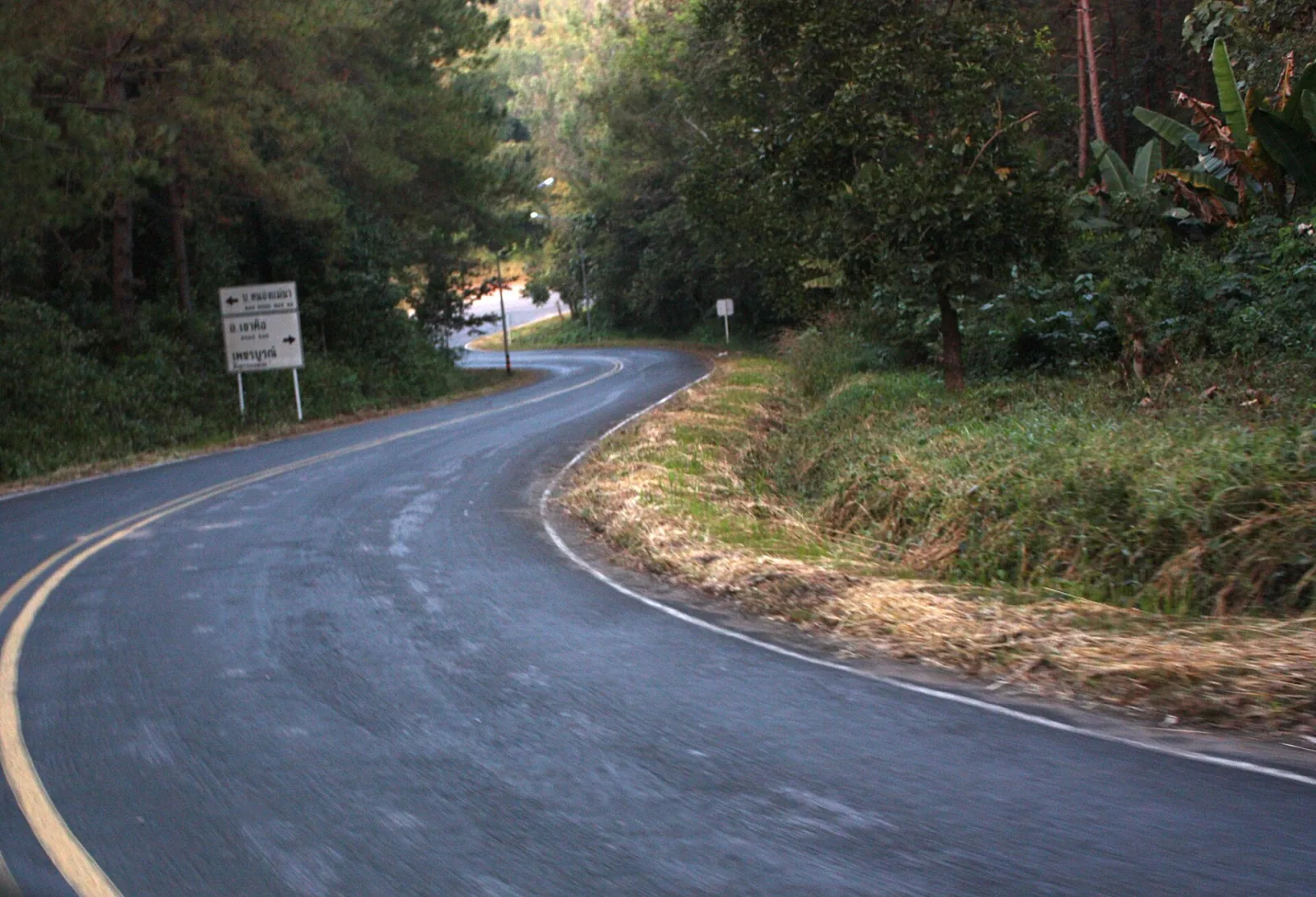
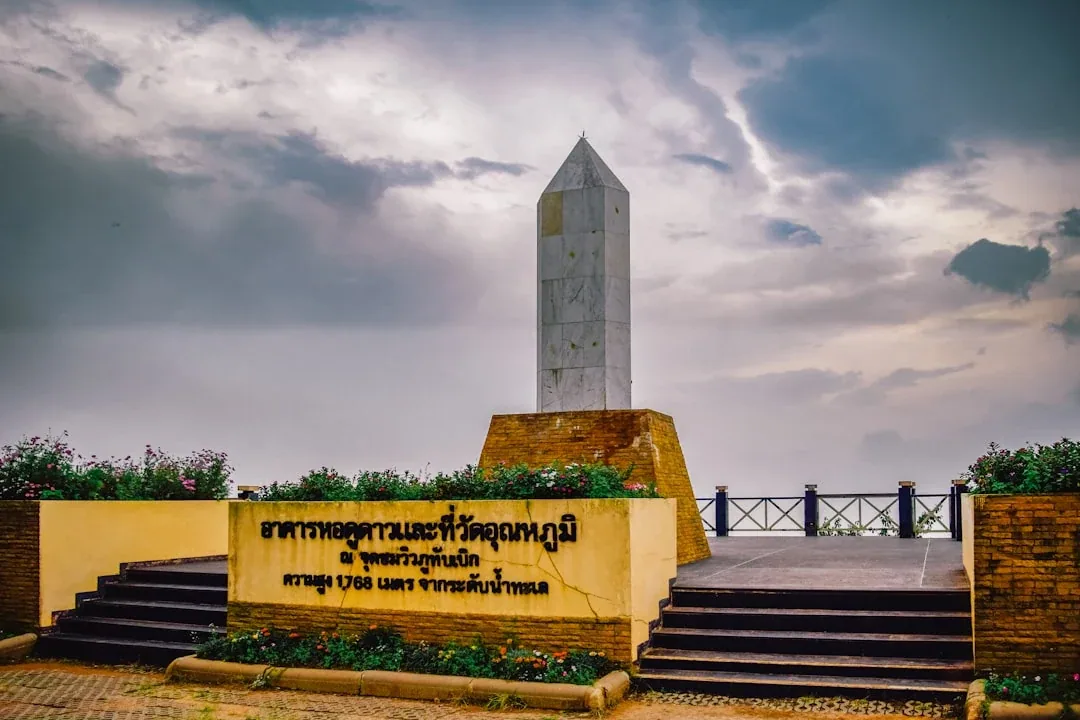
Phu Thap Boek rises even higher at 1,768 meters, accessible via a winding mountain road that tests your vehicle and your nerve. The Hmong community here has lived on the mountain for generations, cultivating the impossible-looking terraced cabbage fields that cascade down steep slopes. They've cautiously opened to tourism through homestays and viewpoint access, but this remains primarily a working agricultural community. The sunrise here ranks among Thailand's most spectacular natural shows—clouds fill the valleys below while the first light catches mountain peaks stretching to the horizon. In January, temperatures can drop to 5°C, requiring genuinely warm clothing rarely needed in tropical Thailand.
The province contains multiple national parks protecting different elevational zones. Nam Nao National Park, sprawling north toward Loei and Chaiyaphum, protects nearly 1,000 square kilometers of pine-clad mountain and is home to elephants, bears, and gibbons. Thung Salaeng Luang, straddling the border with Phitsanulok, opens into rolling savannah grassland that bursts into wildflower bloom every cool season. Tat Mok National Park, closest to the provincial capital, is the local favorite for waterfall day-trips and short forest walks. The neighbouring Phu Hin Rong Kla National Park — most of which lies across the border in Phitsanulok and Loei, with a sliver in Phetchabun's Lom Kao district — is best known for its weathered "Lan Hin Pum" rock formations and a museum explaining its history as a Communist Party stronghold during the 1960s-70s.
Let's be clear about what Phetchabun offers and what it doesn't. If you're seeking vibrant expat communities, international restaurants, coworking spaces buzzing with digital nomads, or Western-style entertainment, look elsewhere. Chiang Mai has all that. Phetchabun attracts a different type of person—those who value natural beauty and climate comfort over social infrastructure, who find peace in rural mountain life rather than urban amenities, who prefer hiking trails to shopping malls.
The cost of living sits remarkably low by Thai standards, especially outside Khao Kho's tourist zone. A decent one-bedroom apartment in Phetchabun city runs 5,000-8,500 baht monthly. Local Thai meals cost 40-70 baht. Transportation via scooter (essential for accessing mountain areas) runs about 1,500 baht monthly including fuel. You can live comfortably on 25,000-30,000 baht monthly if you adopt local lifestyle habits. This makes Phetchabun attractive for those with modest budgets who've found most of Thailand increasingly expensive.
Note: Khao Kho costs run 30-50% higher due to tourist pricing. Mountain areas with limited services may lack consistent internet.
Internet connectivity deserves honest assessment. Phetchabun city has fiber broadband adequate for remote work (600-800 baht monthly). Most populated areas maintain decent connectivity. But remote mountain locations—exactly where you might want to live for the spectacular views—often struggle with inconsistent service. If your livelihood depends on reliable high-speed internet, test thoroughly before committing to rural mountain accommodation. Several remote workers I've met here maintain city apartments for work weeks and mountain retreats for weekends, finding this hybrid approach more practical than trying to work from a mountaintop with spotty connection.
Transportation presents another consideration. Public transport essentially doesn't exist in mountain areas. You'll need a scooter or car. The mountain roads are spectacular but challenging—steep grades, hairpin turns, occasional landslides during rainy season. Inexperienced riders should start with flat city practice before attempting mountain routes. Car rental runs 800-1,500 baht daily, worthwhile if you're uncomfortable on two wheels. The trade-off is that having your own transport opens the entire province for exploration, letting you discover viewpoints, waterfalls, and villages that tour groups never reach.
Much of Phetchabun's modern character stems from royal involvement. King Bhumibol Adulyadej initiated numerous agricultural development projects here, addressing both environmental degradation and hill tribe poverty through sustainable farming education. The royal projects introduced techniques for mountain agriculture, watershed protection, and reforestation. Today, many farms practice organic methods influenced by these royal initiatives, creating a growing movement toward environmental stewardship and sustainable living.
This environmental consciousness attracts specific types of foreigners—permaculture enthusiasts, organic farming advocates, those seeking to align their residence with environmental values. Several eco-lodges and organic farms welcome long-term volunteers through programs like WWOOF (Worldwide Opportunities on Organic Farms), offering work exchange for accommodation and meals. If you're interested in learning sustainable agriculture while experiencing mountain life, Phetchabun provides excellent opportunities rarely available in more developed Thai destinations.
The cool climate enables crops impossible elsewhere in Thailand. Strawberries arrive November through February, sold at roadside stands for 80-150 baht per kilogram—a fraction of lowland prices. Cabbage farms supply markets across Thailand. Coffee plantations produce Arabica beans at elevations similar to Central American growing regions. Local markets overflow with organic vegetables grown without the heat-resistant pests that plague tropical agriculture. For those who cook at home, the access to exceptional fresh produce at minimal cost is one of Phetchabun's genuine lifestyle advantages.
Phetchabun's seasons differ dramatically from lowland Thailand. The cool season (October through February) brings Phetchabun's famous "winter"—temperatures dropping to 10-15°C in the highlands, requiring jackets and blankets, creating morning mist that photography enthusiasts chase across viewpoints. This is peak tourist season when Thai families flood the province. Book accommodation well in advance for December-January, expect crowds at popular viewpoints, and accept tourist pricing at Khao Kho restaurants.
The hot season (March through May) stays remarkably comfortable compared to the rest of Thailand. While Bangkok reaches 38-40°C with crushing humidity, Phetchabun hovers around 28-32°C in the city, cooler still in the mountains. This is actually excellent timing for living here—comfortable weather, fewer tourists, lower accommodation rates, and that satisfying feeling of escape while everyone else suffers.
The rainy season (June through September) brings afternoon thunderstorms but remains manageable. Unlike coastal areas where monsoons can shut down entire regions, Phetchabun's rain typically arrives as afternoon showers that clear by evening. Temperatures cool to 20-26°C. The landscape explodes in green, waterfalls flow at full power, and the tourist crowds vanish entirely. Some mountain roads become challenging or temporarily closed after heavy rain, and you'll need to time activities around afternoon storms, but many long-term residents actually prefer this season for its lush beauty and solitude.
Phetchabun works brilliantly for outdoor enthusiasts who'll spend weekends hiking national park trails rather than shopping at malls. It suits those genuinely interested in sustainable agriculture and environmental living, who find value in learning organic farming techniques or supporting eco-tourism initiatives. It appeals to budget-conscious retirees seeking comfortable climate and low costs over social infrastructure—retirement visa holders looking for quality of life on modest pensions.
→ Limited expat community: You'll be one of few foreigners. Expect deeper Thai cultural immersion but less English-language support.
→ Mountain roads: Spectacular but challenging. Steep grades and sharp curves require experienced driving/riding. Accidents happen, especially during rain.
→ Healthcare basics: Phetchabun Hospital handles routine care adequately. Serious conditions require travel to Khon Kaen (3 hours) or Bangkok (5 hours).
→ Cool season crowds: December-January brings massive domestic tourism. Peace and solitude vanish at popular spots. Consider visiting October-November instead.
But Phetchabun struggles for those seeking active social scenes or extensive expat support networks. The foreign community is tiny and scattered. If you need regular interaction with other expats, regular Western food, or the social infrastructure of established expat hubs, this probably isn't your destination. It also challenges those dependent on consistent high-speed internet—remote work is feasible in town but difficult in the scenic mountain locations where you'd actually want to live.
The question isn't whether Phetchabun is a "good" place to live—it's whether its specific character aligns with your priorities. Some people arrive, spend a week, and feel they've discovered their ideal Thailand. Others visit, appreciate the beauty, and quickly realize they need the convenience and social infrastructure of larger cities. The key is understanding what you're trading: social amenities and convenience for dramatic natural beauty and climate comfort, established expat infrastructure for authentic Thai mountain culture, urban stimulation for peaceful isolation.
Phetchabun's location in north-central Thailand positions it well for regional exploration. Phitsanulok sits 2.5 hours south, offering more developed urban infrastructure and access to Sukhothai's UNESCO World Heritage temples. Loei Province, 2 hours west, provides alternative mountain landscapes with its own cool-climate appeal. The major Isan city of Khon Kaen lies 3 hours east, useful for serious shopping, better hospitals, and airport access for international travel.
Getting to Phetchabun requires planning since the province lacks significant air service. Most visitors bus from Bangkok (5-7 hours, 250-400 baht) or drive (4-5 hours via Highway 1 and Highway 21). The journey itself offers preview of the changing landscape—flat central plains gradually giving way to hills, then dramatic mountains as you approach the province. Once established with a vehicle, the mountain roads become your playground for weekend exploration of viewpoints, waterfalls, and villages that never appear in guidebooks.
What I've learned watching people discover Phetchabun is that it rewards those seeking specific things—escape from tropical heat, mountain hiking opportunities, involvement in sustainable agriculture, genuine cultural immersion away from tourist infrastructure—while disappointing those arriving with more generic expectations of Thai retirement or expat life. It's not for everyone, and it doesn't try to be. But for those whose priorities align with what these mountains offer, Phetchabun provides an experience of Thailand that feels less like expatriate life and more like discovering a secret that few outsiders have found. The cool morning air at 1,700 meters, the organic strawberries that cost less than coffee, the mountain trails that lead to viewpoints where you're utterly alone—these become daily realities rather than vacation experiences. That's worth more than any shopping mall or international restaurant could provide, at least for the right type of person. For information about visas suitable for long-term mountain living, explore our guides to retirement visas and the digital nomad visa.
Provincial Capital
Phetchabun City
Population
~978,000
Area
12,668 km²
Elevation
500-1,768 meters
Distance to Bangkok
325 km (4-5 hours)
Quick Take
Phetchabun offers Thailand's most accessible mountain living—cool climate year-round, dramatic landscapes, and organic farming culture. Perfect for outdoor enthusiasts and eco-conscious residents. Not suited for those seeking urban amenities or active expat social scenes.
Cool Season (Oct-Feb)
10-25°C • Perfect weather • Crowded peak season
Hot Season (Mar-May)
20-30°C • Much cooler than lowlands • Ideal living conditions
Rainy Season (Jun-Sep)
18-26°C • Afternoon showers • Lush and peaceful