Provinces
🏮Phitsanulok Province
Historic Riverside City
Historic Riverside City
In the dim interior of Wat Phra Si Rattana Mahathat, hundreds of worshippers kneel before Phra Buddha Chinnarat, faces upturned toward what Thais consider their most beautiful Buddha image. The bronze figure, traditionally dated to around 1357, catches candlelight in ways that seem almost alive—the gilded surface glowing amber, the serene expression unchanging across seven centuries. Outside, the Nan River flows past as it has for millennia, long-tail boats cutting through water that once carried ancient kingdoms' tribute and trade. This is Phitsanulok, where Thailand's sacred artistry and strategic geography converged to create a city that refuses to choose between preserving its past and embracing its future.
Phitsanulok Province sprawls across roughly 10,800 square kilometers of Lower Northern Thailand, straddling the Nan River that defines both its geography and character. The province is home to about 840,000 people; the city itself is much smaller (municipality ~63,000, urban area roughly 280,000) and sits at a crucial junction—far enough north to claim Northern Thai cultural identity, close enough to Central Thailand to maintain practical connections with Bangkok. It's 375 kilometers from the capital (5-6 hours by bus), and around 60 kilometers from Sukhothai, the seat of Thailand's first kingdom and now part of a UNESCO World Heritage Site (the historic towns of Sukhothai, Si Satchanalai, and Kamphaeng Phet—all in neighbouring provinces).
What makes Phitsanulok compelling is its balance. It has genuine cultural depth—that stunning Buddha image, traditional bronze casting foundries continuing 600-year-old techniques, riverside temples older than most European cities—without feeling like a museum. It offers modern conveniences—good internet, hospitals, shopping malls, international ATMs—without the sprawl or expense of major tourist centers. It's large enough to provide infrastructure but small enough that traffic doesn't paralyze daily life. For expats seeking the middle ground between rural isolation and urban chaos, Phitsanulok occupies a sweet spot that more famous destinations have lost.
"Phitsanulok offers something increasingly rare in Thailand—authentic culture accessible to foreigners without requiring you to completely abandon modern convenience."
The Nan River built Phitsanulok and continues to define it. The river brought trade routes connecting northern kingdoms with central plains powers. It provided fish that became signature dishes—grilled river fish, spicy tom yum with fresh catch, that famous "flying morning glory" (phak bung fai daeng) that originated here. The riverside location determined where temples rose, where markets formed, where the city's social life concentrated. Even today, the riverside promenade serves as Phitsanulok's evening gathering place, locals jogging and cycling while long-tail boats ferry tourists for river tours that cost 200-400 baht per boat.
The city sprawls on both banks, connected by bridges that frame postcard views of traditional wooden houses on stilts, their reflection shimmering in the water at sunset. The west bank holds the historic core—Wat Yai (as locals call the temple housing Phra Buddha Chinnarat), the bronze casting foundries, older neighborhoods where Thai-Chinese families have operated businesses for generations. The east bank contains more modern development—shopping centers, newer hotels, the provincial government complex.
Most long-term foreign residents settle near the old city for character and convenience, accepting slightly older buildings for proximity to cultural sites and the night bazaar. One-bedroom apartments run 4,500-7,500 baht monthly depending on age and amenities. Riverside locations command premiums of 1,000-2,000 baht but provide genuine lifestyle benefits—river breezes cooling evening heat, water views from your window, walkable access to the promenade. The trade-off is that older buildings may lack the sleek modernity of new developments on the city outskirts.
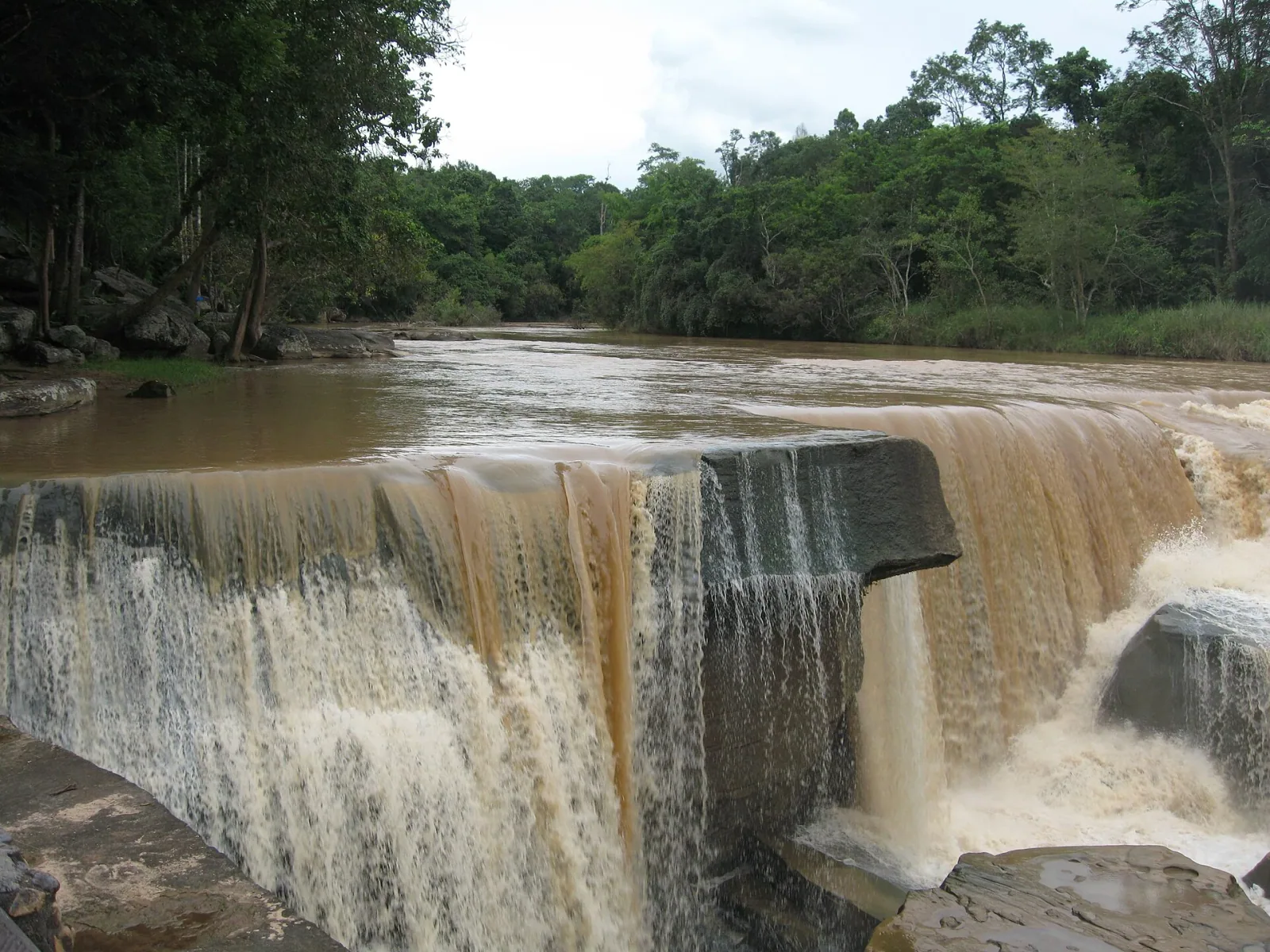
Walk along the riverside near Wat Yai, and you'll find something remarkable—working bronze Buddha foundries continuing techniques unchanged since the Sukhothai period. The artisans welcome respectful visitors to watch the lost-wax casting process: sculpting the wax model, encasing it in clay, melting out the wax, pouring molten bronze into the cavity, breaking away the clay to reveal the figure, then weeks of filing, polishing, and finishing work that transforms raw metal into sacred art.
This isn't a tourist attraction or museum demonstration—these are working businesses producing Buddha images for temples throughout Thailand. The prices range from 2,000 baht for small figures to 50,000+ baht for large commissioned pieces, remarkably affordable given the craftsmanship involved. You can commission custom work, specifying size, pose, and finishing details. The artisans speak basic English or can arrange translators, and they clearly take pride in explaining their craft to those genuinely interested.
What struck me most about these foundries is their ordinariness. They're not grand cultural centers but simple workshops where skilled craftspeople practice their trade, continuing a centuries-old tradition because it's what they know and what their community needs. This captures something essential about Phitsanulok—its culture isn't performed for tourists but lived by residents who happen to allow visitors to witness it. It's the difference between watching a cultural show and stumbling onto authentic practice that welcomes observation.
Phitsanulok offers exceptional value compared to Thailand's tourist-heavy destinations. The cost structure sits well below Phuket or even Chiang Mai, while providing better infrastructure than truly rural provinces. You can live comfortably on 25,000-32,000 baht monthly if you adopt local habits—eating at Thai restaurants and markets rather than expensive Western food, using scooters or public transport instead of taxis constantly, choosing local entertainment over imported Western experiences.
Note: Adding regular Western food, imported goods, and taxi dependence easily pushes this to 35,000-40,000 THB monthly.
Food costs split dramatically between local and tourist pricing. Street food and local restaurants serve excellent Thai meals for 40-80 baht. The night bazaar offers dozens of food stalls where you can sample everything from grilled meats to northern specialties for 30-80 baht per dish. Phitsanulok is famous for kaeng ho (a dry curry), fresh river fish dishes, and that flying morning glory that servers toss through the air before plating. These local specialties cost fraction of what you'd pay in Bangkok or tourist areas.
Western food exists but remains limited. A few cafes near the shopping malls serve decent coffee and Western breakfast (80-200 baht). Chain restaurants like Pizza Hut and KFC occupy mall food courts. But if you're expecting regular access to quality Italian, Mexican, or Japanese food at reasonable prices, you'll be disappointed. The trade-off is that this limitation forces engagement with Thai food culture, which in Phitsanulok reaches genuinely excellent quality at minimal cost. The riverside restaurants serving fresh fish with water views charge 100-300 baht for meals that would cost 500+ baht in Bangkok.
Phitsanulok's greatest asset might be its location around 60 kilometers from Sukhothai Historical Park, the UNESCO-listed ruins of Thailand's first capital (c. 1238–1438). The ancient city features around 190 temple ruins spread across 70 square kilometers, including the iconic Wat Mahathat with its lotus-bud chedi and rows of Buddha images, and Wat Si Chum with its massive 15-meter seated Buddha emerging from a mondop like something from a dream.
Most tourists visit Sukhothai on rushed day trips from Chiang Mai or Bangkok, spending a few sweaty hours before moving on. Living in Phitsanulok lets you experience it properly—arriving at dawn when morning mist hovers over the ruins and you have the place nearly to yourself, cycling through the park at leisure (bicycle rental costs just 30 baht), returning for sunset when golden light catches the ancient stones. Entry to the central zone is 200 baht, with 120 baht for each of the north and west zones (or a combined ticket for 400 baht). Many Phitsanulok residents make Sukhothai their weekend retreat, finding peace among ruins that predate their own capital by centuries.
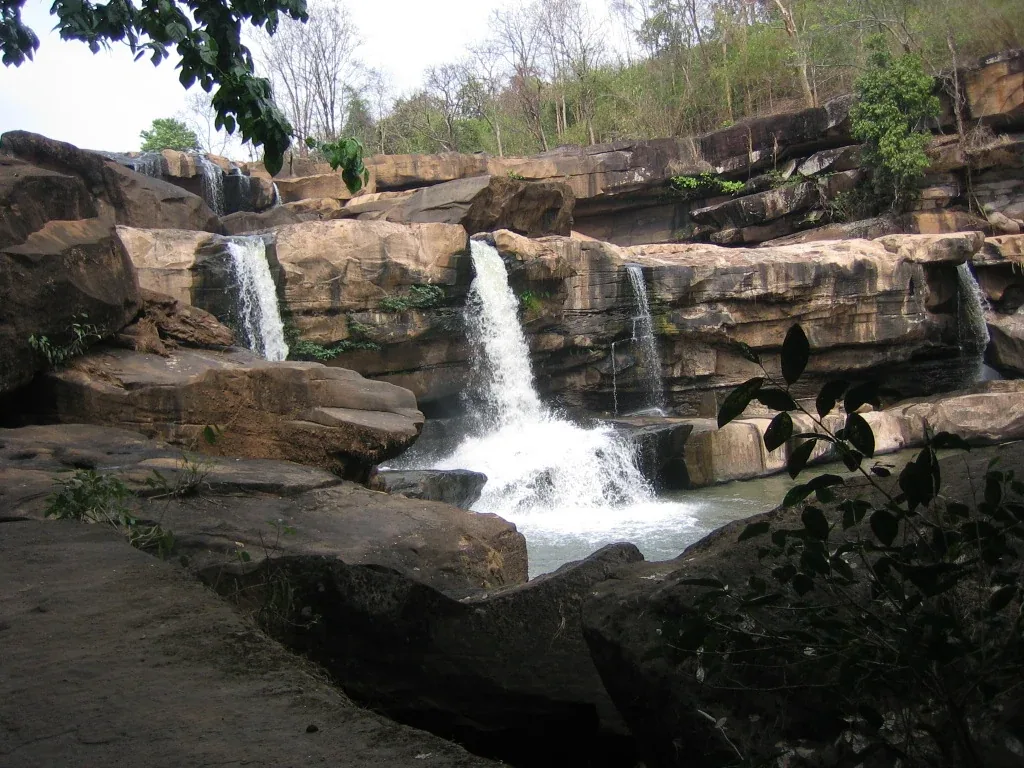
The proximity works both ways. Sukhothai's limited accommodation and dining options mean many visitors base themselves in Phitsanulok, enjoying better infrastructure while making day trips to the ruins. This creates a steady trickle of tourists—enough to support some English-language services but not enough to turn the city into a tourist trap. You're more likely to encounter Thai domestic tourists than foreign backpackers, which keeps prices reasonable and atmosphere authentic.
Phitsanulok's foreign community remains small but growing. You'll find English teachers at local schools and universities (typical salary 35,000-50,000 baht monthly for qualified teachers with work permits), some retirees drawn by low costs and good hospital access, and increasingly, remote workers discovering the city as an alternative to overcrowded expat hubs. Facebook groups like "Phitsanulok Expats" facilitate connections, though with maybe 100-200 active foreign residents, it's nothing like Chiang Mai's extensive support networks.
The limited expat presence creates both challenges and benefits. You won't find Western-style support infrastructure—no international grocery stores stocking familiar brands at reasonable prices, no regular expat meetups with dozens of attendees, no established sports leagues or hobby groups. But you will experience deeper Thai cultural immersion than is possible in foreign enclaves. Your neighbors will be Thai, your daily interactions conducted in Thai or broken English, your social life dependent on integrating with Thai community rather than retreating to expat bubbles.
Internet connectivity in central Phitsanulok reaches adequate for remote work—fiber broadband provides 500+ Mbps for 600-800 baht monthly through AIS, True, or 3BB. Several cafes welcome laptop workers, though the selection is far smaller than in dedicated digital nomad cities. The bigger limitation for remote work is time zone management. If you're serving US clients, Phitsanulok offers no advantages over any other Thai city—you'll still be working odd hours. But for those with established remote income or European clients, the low costs and lack of distractions create surprisingly productive environments.
Phitsanulok experiences Thailand's classic three seasons, though none reach the extremes of other regions. The cool season (November through February) brings comfortable temperatures of 15-28°C with cool evenings perfect for riverside walks. This is ideal visiting and living weather—clear skies, low humidity, comfortable all day. The city fills with Thai domestic tourists during December-January holidays, but it never reaches the overwhelming crowds that plague beach destinations.
The hot season (March through May) sees temperatures climb to 30-38°C, with April typically peaking around 38-40°C. It's genuinely hot, though river breezes provide some relief compared to landlocked areas. The Songkran water festival in mid-April brings three days of city-wide water fights that provide both cultural experience and cooling relief. Most long-term residents schedule their escape to cooler regions during April's peak heat—visiting northern mountains, taking visa runs to neighboring countries, or simply embracing indoor air-conditioned activities.
The rainy season (June through October) features afternoon thunderstorms but remains surprisingly manageable. Rain typically arrives after 2pm, clearing by evening in time for night market visits. Temperatures cool to 26-32°C. The landscape turns lush green, the river rises (making boat trips more scenic), and tourist crowds vanish entirely. Many long-term residents prefer this season despite the rain—lower costs, comfortable temperatures, and that peculiar satisfaction of experiencing the "real" Thailand while tourists stay away.
Phitsanulok works best for those seeking balance. It suits history and culture enthusiasts who'll spend weekends exploring Sukhothai ruins and visiting provincial temples rather than hitting shopping malls. It appeals to budget-conscious expats and retirees whose 30,000-40,000 baht monthly budgets feel tight in more expensive destinations but provide comfortable middle-class living here. It attracts remote workers tired of Chiang Mai's digital nomad scene but unwilling to completely isolate in rural villages.
History buffs: Proximity to Sukhothai ruins and living connection to ancient bronze casting traditions create cultural depth rare in modern Thailand.
Budget-conscious professionals: Remote workers earning Western income find 25,000-35,000 THB monthly budgets provide comfortable living impossible at these costs in tourist areas.
Authenticity seekers: Small expat community forces genuine Thai cultural immersion while maintaining just enough infrastructure to stay comfortable.
But Phitsanulok struggles for others. If you need active expat social scenes with regular meetups, diverse international restaurants, or extensive Western amenities, the city will feel limiting. If you're uncomfortable being one of few foreigners in predominantly Thai environments, the cultural adjustment may prove challenging. If you want nightlife beyond a few bars and the night market, you'll be disappointed—Phitsanulok shuts down early by Thai standards, with most activity concentrated in family-friendly evening markets rather than late-night party venues.
Healthcare deserves mention since it often determines expat location decisions. Buddhachinaraj Phitsanulok Hospital, the main public hospital, provides good basic care with English-speaking doctors available. Consultation fees run 500-1,200 baht without insurance. For routine medical needs, dental work, and minor procedures, the facility is adequate and affordable. But for serious conditions or specialized treatment, most expats travel to Bangkok (5-6 hours by bus) or fly to better-equipped hospitals. Retirees with significant health concerns should factor this into location decisions.
What I've learned watching people discover Phitsanulok is that it rewards patient exploration over immediate gratification. The city doesn't announce itself loudly—there's no dramatic beach arrival or mountain vista welcome. Instead, it reveals itself gradually: the beauty of Phra Buddha Chinnarat catching candlelight, the satisfaction of cycling Sukhothai ruins at dawn with almost no one else present, the unexpected excellence of 60-baht river fish lunches at family restaurants where no English menu exists. These accumulated small pleasures build into something that feels sustainable long-term, unlike the initial excitement of more dramatic destinations that often fades once you're actually living there rather than vacationing. For those seeking that rare balance between authentic Thai culture and practical modern living, between budget constraints and quality of life, between foreign novelty and daily livability, Phitsanulok occupies a space worth considering. The riverside promenade at sunset, the bronze foundries continuing their craft, the Sukhothai ruins just an hour away—these become part of your regular landscape rather than tourist experiences. For information on suitable visas, explore our guides to retirement visas, education visas for language study, and the digital nomad visa for remote workers.
Provincial Capital
Phitsanulok City
Population
~840,000 (province)
Distance to Bangkok
~375 km (5-6 hours)
Distance to Sukhothai
~60 km (1 hour)
Quick Take
Phitsanulok offers rare balance—authentic Thai culture with modern convenience, excellent value with quality infrastructure, strategic location between Bangkok and northern Thailand. Perfect for history enthusiasts, budget-conscious professionals, and those seeking the middle path.
Cool (Nov-Feb)
15-28°C • Perfect weather
Hot (Mar-May)
30-38°C • River breezes help
Rainy (Jun-Oct)
26-32°C • Afternoon showers