Provinces
🏝️Phuket Province
Thailand's Island Paradise
Thailand's Island Paradise
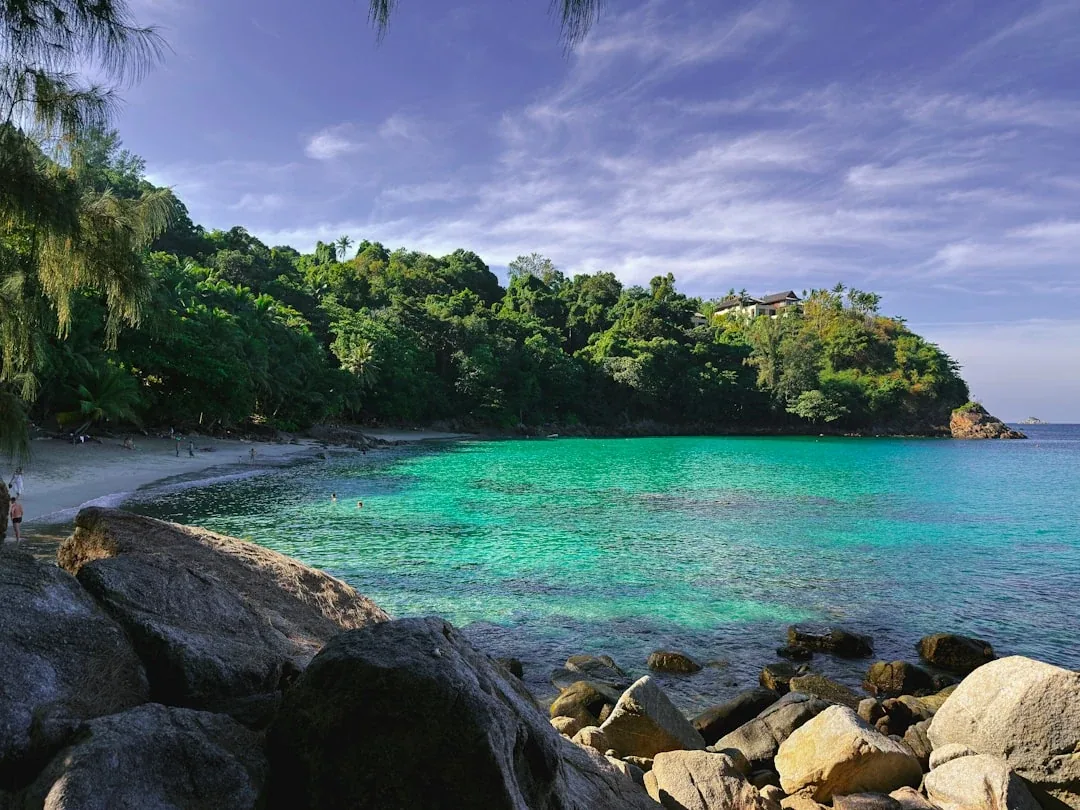
From the hilltop viewpoint at Promthep Cape, you can see why they call it the Pearl of the Andaman. The sun drops toward the horizon, painting the open Andaman Sea and its scatter of small islets — Ko Kaeo, Racha Yai — in shades of amber and rose. The water below shifts from turquoise to sapphire to molten gold. Hundreds of people gather here every evening, phones raised, trying to capture what can't quite be photographed—the moment when Phuket reveals why it transformed from a sleepy tin-mining outpost into Southeast Asia's most developed island destination.
Phuket Province occupies 576 square kilometers off Thailand's southwestern coast, connected to the mainland by two bridges that carry a constant stream of tourists, workers, and residents. It's Thailand's only island province, and that geographic distinction has shaped everything about it—the economy, the culture, the cost of living, and the peculiar mix of authentic Thai life and international resort infrastructure that makes Phuket unlike anywhere else in the kingdom.
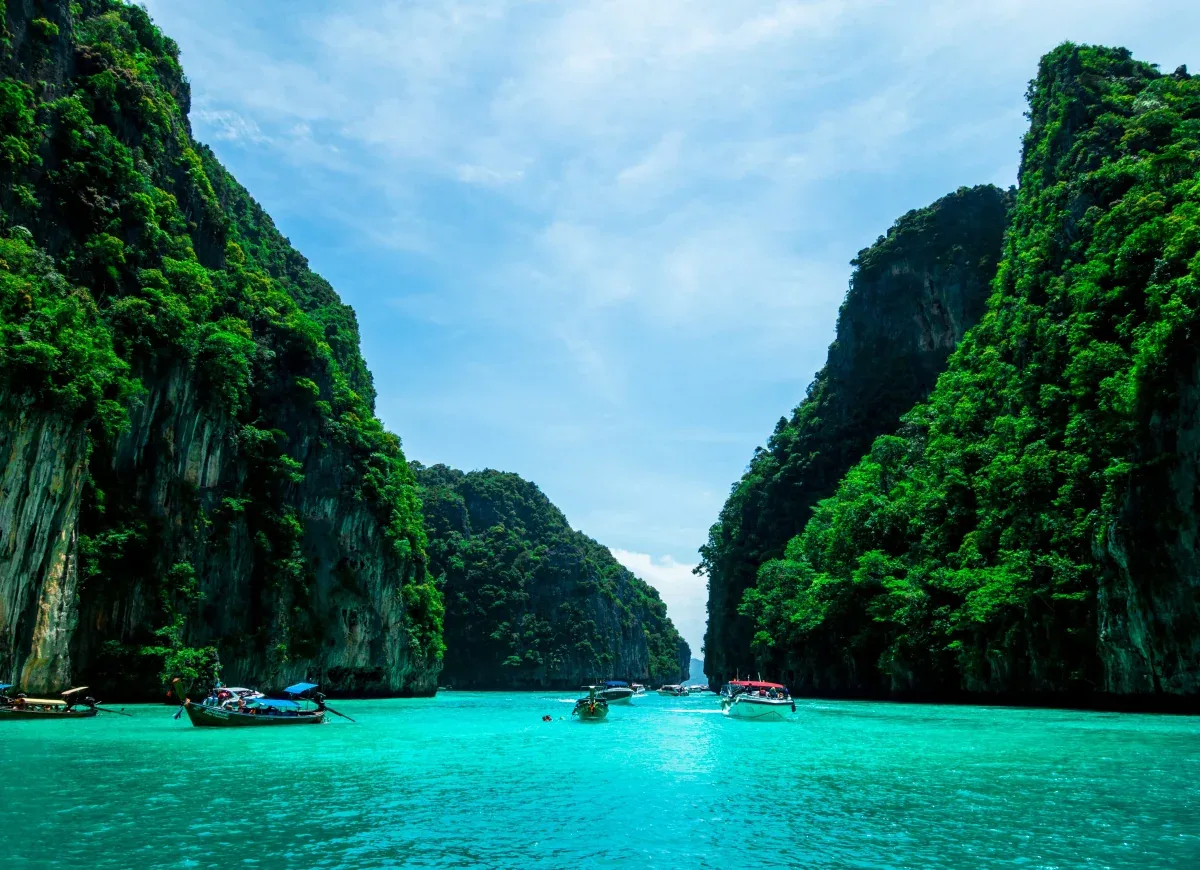
What the tourist brochures show you is real: white-sand beaches framed by jungle-covered hills, world-class diving in the Similan Islands, limestone cliffs rising from emerald water, sunsets that stop conversations mid-sentence. But living in Phuket means navigating the island's contradictions. It's simultaneously Thailand's most expensive province and home to budget accommodations that cost less than a Western coffee. It's where you can find authentic Sino-Portuguese architecture in Old Town and plastic Irish pubs in Patong. It's where locals speak a distinct dialect while half the island conducts business in English, Russian, or Mandarin.
"Living in Phuket means embracing contradictions—it's simultaneously Thailand's most international province and home to communities that have maintained their traditions for generations."
Most first-time visitors experience only a tiny slice of Phuket, usually the 3-kilometer stretch of Patong Beach with its neon-lit bars, massage parlors, and relentless activity. But the island's 576 square kilometers contain remarkable diversity. Understanding Phuket's distinct zones is essential to finding where you might actually want to live, as opposed to where you might visit for a wild weekend.
The west coast holds the famous beaches—Patong, Kata, Karon, Kamala, Surin, Bang Tao, Nai Yang. Each has developed its own character and clientele. Patong remains the bustling tourist center, love it or hate it. Kata and Karon attract families with their calmer waters and more relaxed vibe. Kamala sits in the middle ground between development and authenticity. Surin and Bang Tao cater to the luxury resort crowd, with the massive Laguna complex anchoring the northern beach area. These beaches offer convenience and amenities but come with tourist-level prices and seasonal crowds that can make a 10-minute trip take an hour during high season.
The east and south coasts tell a different story. Rawai, at the southern tip, has evolved into the island's primary long-term expat base. There's no swimming beach—the shallow, muddy coastline doesn't invite lounging—but it offers affordability, excellent seafood, proximity to island-hopping boats, and a community of foreigners who've been here long enough to know the good Thai restaurants. Chalong, just north of Rawai, serves as a practical residential and commercial hub with the island's main pier, hospitals, and shopping without the beach tourist markup. The east coast towns of Phuket Town (the provincial capital) and surrounding areas offer the most authentic Thai experience, complete with morning markets, Chinese shrines, and locals who still seem slightly surprised to see foreigners.
Old Phuket Town deserves special mention. This isn't a manufactured heritage district—it's a living neighborhood where Chinese-Thai families still operate businesses from the same Sino-Portuguese shophouses their great-grandparents built during the tin boom. On Sunday evenings, Thalang Road closes for a walking street market that balances tourism with local life remarkably well. The architecture here reflects Phuket's unique history as a trading crossroads: Portuguese colonial influence blended with Hokkien Chinese style, creating facades that wouldn't look out of place in Macau or Penang. For those seeking cultural depth beyond beaches, Old Town offers museums, galleries, heritage hotels, and the kind of authentic Thai-Chinese food that has its own Michelin recognition.
Let's address the question every potential Phuket resident asks: yes, it's more expensive than most of Thailand. No, it's not prohibitively expensive compared to Western cities or even Bangkok's trendier neighborhoods. The key is understanding where the tourist tax applies and where it doesn't.
Housing costs vary wildly by location. A one-bedroom condo in Rawai or Chalong runs 12,000-18,000 baht monthly for something decent with a pool. The same unit in Kamala or near Surin Beach costs 20,000-35,000 baht. Beachfront living in Laguna developments or luxury complexes can easily reach 50,000-150,000 baht monthly. But here's what surprised me: you can find genuinely nice places in local neighborhoods—areas like Kathu, inland Chalong, or residential pockets near Phuket Town—for 10,000-15,000 baht if you're willing to be a 10-minute scooter ride from the beach rather than walking distance.
Food costs similarly split between tourist and local pricing. A pad thai in Patong costs 150-200 baht at a restaurant catering to foreigners. The same dish at a local shop in Chalong or Phuket Town runs 60-80 baht. Street food and markets—Chillva Market, Phuket Weekend Market, the morning market near Ranong Road—offer authentic Thai meals for 40-100 baht. The expat community has driven the development of excellent mid-range restaurants serving everything from Italian to Japanese to Mexican, with meals typically 200-400 baht per person. Fine dining exists at every level, from the Michelin-starred PRU at Trisara resort to excellent hotel restaurants, where you'll pay 1,500-4,000+ baht per person for exceptional experiences.
Note: Budget travelers manage on 25,000-30,000 THB monthly with local lifestyle choices, while luxury living easily exceeds 150,000+ THB with villas and imported goods. Most expats find their sweet spot between 40,000-80,000 THB monthly.
Transportation deserves its own calculation. Scooter rental runs 200-300 baht daily or 3,000-4,000 baht monthly with better rates for long-term contracts. Buying a used scooter costs 20,000-40,000 baht—often worthwhile if you're staying more than a few months. But Phuket has Thailand's highest road accident rate, with tourists on scooters making up a disproportionate number of casualties. If you're uncomfortable riding, you'll rely on Grab, Bolt, or traditional taxis. Grab works well for cross-island trips (150-400 baht), though surge pricing during rain or peak hours can double costs. Traditional tuk-tuks and taxis in Phuket are notoriously expensive—300-600 baht for trips that would cost 100-150 baht via ride-hailing apps.
Phuket's expat population exceeds 30,000 permanent foreign residents, with many more on extended stays via tourist visas, digital nomad visas, or retirement visas. This creates an interesting dynamic: you can build a full life without speaking Thai, find your national cuisine cooked reasonably well, and access Western-style services for everything from pet care to psychotherapy. But this same internationalization can make Phuket feel disconnected from the Thailand you might have imagined.
The digital nomad scene clusters around Rawai, Chalong, and Cherng Talay, with a rotating cast of coworking spaces and cafés offering reliable internet, meeting rooms, and community events for around 3,000-5,000 baht monthly — check Facebook groups for whatever is currently open, as venues come and go quickly. Most residential areas have fiber internet from AIS, True, or 3BB providing 500+ Mbps for 600-1,200 baht monthly. Cafes throughout the island welcome laptop workers, though the tropical heat means you'll want air conditioning during the day, limiting your "work from a beachfront café" fantasies to early mornings or late afternoons.
Healthcare in Phuket rivals Western standards, often exceeding them for responsiveness and patient experience. Bangkok Hospital Phuket and Phuket International Hospital both cater heavily to medical tourists and international residents, offering English-speaking doctors, modern equipment, and the kind of service that makes government hospitals back home seem archaic. Consultation fees run 1,000-2,000 baht. More complex care gets expensive without insurance—a specialist visit with imaging and tests can easily reach 10,000-20,000 baht. But for routine care, dental work, and minor procedures, the quality-to-cost ratio is exceptional. Many expats schedule elective procedures around their Phuket residence specifically to take advantage of these facilities.
The social scene varies dramatically by area and demographic. Patong attracts a younger party crowd and short-term visitors. Rawai and Chalong have become primarily expat zones with established communities of retirees, families, and long-term residents who organize sports leagues, charitable activities, and regular meetups. Active local Facebook groups facilitate connections, buy/sell transactions, and the kind of crowd-sourced knowledge that makes settling easier. International schools — British International School Phuket (BISP), QSI International School Phuket, and HeadStart International School — serve the family demographic, while the large Russian and Chinese communities have developed their own parallel infrastructure of schools, restaurants, and services.
Living in Phuket long-term means accepting certain trade-offs that short-term visitors never encounter. The monsoon season, running roughly May through October, brings heavy rainfall, rough seas, and a different island entirely. September and October can see violent storms that make beaches dangerous and outdoor activities impossible for days at a time. Many beach clubs close temporarily, tour operators suspend island trips, and the tourist infrastructure that makes Phuket convenient goes dormant. Rates drop 40-60% during this period—which is exactly why savvy long-term residents time their Phuket stays for the rainy season, enjoying luxury resorts at budget prices while traveling elsewhere during the expensive high season from December through February.
Traffic during high season transforms simple errands into frustrating exercises in patience. The route from Rawai to Patong that takes 25 minutes in May can take 90 minutes in December when every rental car, tour bus, and scooter converges on the same inadequate roads. The island's infrastructure hasn't kept pace with development—garbage management, traffic flow, and public transportation lag well behind the hotel construction and condo developments. A limited Smart Bus system offers public transport for 15-30 baht, but routes are sparse and schedules unreliable.
→ Scooter accidents: The leading cause of tourist injuries. Roads are dangerous, especially during rain. Wear helmets, drive slowly, avoid drinking, and ensure your insurance covers scooter use (many policies don't).
→ Beach safety: Red flags mean dangerous swimming. Undertows and rip currents kill tourists annually. Respect warnings, stay near lifeguards, and avoid swimming during monsoon season.
→ Common scams: Jet ski damage claims, overcharging taxis and tuk-tuks, gem and tailor shop tours, aggressive massage touts in Patong. Use Grab for transport, photograph rental equipment before use, and politely decline unsolicited offers.
→ Nightlife safety: Stick to well-lit areas, travel in groups, never leave drinks unattended. Drink spiking is rare but happens, particularly to women traveling alone.
The cultural authenticity that draws many people to Thailand can feel diluted in Phuket's tourist zones. Parts of Rawai have become so internationalized that English serves as the common language, and you can spend weeks encountering more Russians and Germans than Thai locals. For those seeking deep cultural immersion and Thai language practice, this can feel disappointing. The tourism economy has shaped everything—prices reflect what foreign markets will bear rather than local purchasing power, businesses cater to short-term visitor preferences over long-term resident needs, and the constant churn of newcomers means the community never quite solidifies the way it does in Chiang Mai or even Bangkok expat neighborhoods.
Despite the development, authentic Phuket culture persists in pockets that reward exploration. The island's Sino-Portuguese heritage—legacy of Hokkien Chinese who arrived during the tin mining boom and intermarried with locals—created a unique cultural blend visible in architecture, food, and traditions. The Baba-Nonya (Peranakan) culture in Old Town manifests in museums like the Thai Hua Museum and in restaurants serving dishes you won't find elsewhere in Thailand: Mee Hokkien (yellow noodles in thick gravy), Moo Hong (five-spice braised pork), and Oh Aew (the signature shaved ice dessert).
The Vegetarian Festival each October showcases Phuket's Chinese spiritual traditions in the most extreme way imaginable. Devotees dressed in white pierce their cheeks with swords, skewers, and increasingly creative objects, then parade through Old Town streets in a trance-like state. It's intense, graphic, and spiritually significant—a genuine cultural practice that happens to draw tourist crowds rather than being created for them. The festival centers around Chinese temples in Phuket Town and represents merit-making and spiritual purification in the Taoist-Buddhist syncretism unique to this region.
The island's sea gypsy (Chao Ley) communities maintain ocean-based lifestyles in villages like Rawai and Koh Siray despite development pressures. These Austronesian-speaking people predate Thailand's modern settlement of Phuket, and while tourism has changed their economy, they've preserved traditional boat-building, fishing techniques, and animist spiritual practices. Visiting these communities requires cultural sensitivity—they're not tourist attractions but working neighborhoods where people live and fish, though some families welcome respectful visitors interested in learning about their unique heritage.
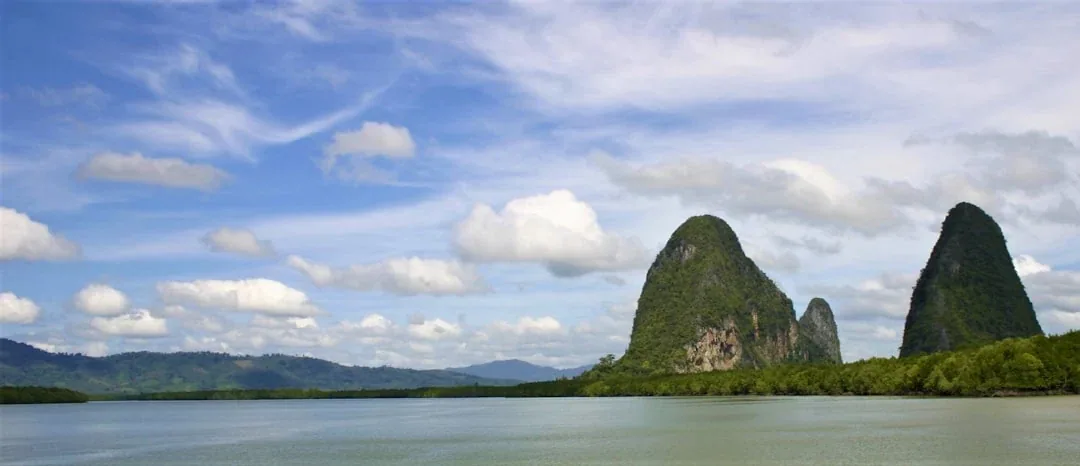
One of Phuket's greatest advantages is its position as a gateway to southern Thailand's spectacular landscapes. The iconic limestone karsts of Phang Nga Bay—made famous by James Bond Island—lie just an hour north by boat. Day tours range from budget speedboat groups (1,200-1,800 baht) to luxury yacht charters, exploring sea caves by kayak and visiting the Muslim fishing village of Koh Panyee built entirely on stilts above the water.
The Similan Islands, 84 kilometers northwest, offer world-class diving and snorkeling from November through May when the parks open. Day trips run 4,500-6,000 baht, while liveaboard diving safaris let you explore the entire archipelago over multiple days. The underwater visibility, vibrant coral reefs, and chance to encounter manta rays and whale sharks make this one of Southeast Asia's premier dive destinations. Just remember that monsoon season closures are strict—attempting to visit outside the permitted months isn't just illegal, it's genuinely dangerous.
Krabi Province, two to three hours east, offers a more laid-back alternative to Phuket with equally stunning beaches. Railay Beach, accessible only by boat and backed by dramatic limestone cliffs, attracts rock climbers from around the world. The Phi Phi Islands make for popular day trips, though they've been loved nearly to death by tourism—visiting in low season or on overnight trips gives you a glimpse of why they became famous before the crowds arrived.
After living here and watching countless people arrive with dreams of island paradise, certain patterns become clear. Phuket works brilliantly for specific types of people and proves frustrating for others. It's ideal for those who prioritize convenience and infrastructure—retirees who want excellent healthcare nearby, families seeking international schools and Western amenities, digital nomads who need reliable internet and a community of fellow remote workers. The island's international connectivity via Phuket International Airport makes it easy to maintain ties with home or travel throughout Asia.
It works well for people whose budget can absorb the premium pricing. If you're earning Western income or have retirement savings that make 50,000-80,000 baht monthly feel reasonable, Phuket's lifestyle offers exceptional value. The combination of beachfront living, year-round warmth, excellent dining, and adventure access feels like a perpetual vacation that happens to cost less than maintaining a similar lifestyle in California, Australia, or Europe.
Retirees seeking comfort: Excellent healthcare, established expat communities, reliable infrastructure, and warm weather year-round make Phuket one of Thailand's easiest retirement destinations.
Families with children: International schools, safe neighborhoods, family-friendly beaches, and Western amenities reduce the challenges of raising kids abroad.
Digital nomads and remote workers: Strong internet, coworking spaces, international community, and the ability to maintain a serious career while living steps from the beach.
But Phuket struggles for others. If you're seeking authentic Thai cultural immersion, cheaper destinations like Chiang Mai, Isaan, or even less-developed parts of the south offer richer experiences. If your budget is tight—living on 20,000-30,000 baht monthly—Phuket's elevated costs make daily life more stressful than enjoyable. If you want to deeply engage with Thai language and culture, the heavily internationalized expat zones can actually hinder rather than help your integration.
The question isn't whether Phuket is "good" or "bad" as an expat destination. It's whether the specific trade-offs align with your priorities. You're trading cultural authenticity for convenience, lower costs for better infrastructure, Thai language immersion for international community. Some people find this trade perfectly aligned with their needs. Others arrive expecting one thing and discover they've chosen the wrong Thailand.
What I've learned after watching the island change over years is that Phuket works best when you accept it for what it is rather than lamenting what it isn't. It's not untouched paradise—that vanished decades ago. It's not authentic rural Thailand—development saw to that. But it is a unique place where you can maintain a serious career, access world-class healthcare, enjoy spectacular natural beauty, and build a comfortable life with far less money than comparable Western locations require. The Pearl of the Andaman has been polished smooth by decades of tourism, but underneath that shine, it still catches the light in ways that make those sunset crowds at Promthep Cape worth joining, even after you've seen it hundreds of times. For guidance on retirement visas or other long-term stay options, explore our comprehensive visa guides.
Provincial Capital
Phuket City
Population
~420,000 (island)
Area
576 km²
Language
Thai, Phuket dialect, English widely spoken
Emergency Numbers
191 (Police), 1669 (Medical), 1155 (Tourist Police)
Quick Take
Thailand's premier island destination combines stunning beaches with world-class infrastructure. Perfect for those seeking comfort and convenience over cultural immersion, willing to pay premium prices for exceptional lifestyle access.
High Season
November - April
Perfect weather, calm seas, minimal rain. December-February are peak months with highest prices and maximum crowds.
Shoulder Season
May & October
Mixed weather, fewer tourists, 20-40% cheaper rates. Good for flexible travelers.
Low Season
June - September
Monsoon rains, rough seas, dramatic discounts (40-60% off). Best for luxury stays on a budget.
Vegetarian Festival
October (dates vary)
Nine days of merit-making with extreme body piercing processions
Old Town Festival
February
Celebrating Sino-Portuguese heritage with food, music, and culture
Songkran
April 13-15
Thai New Year water festival with massive street celebrations