Provinces
🏖️Surat Thani Province
Island Paradise Gateway - Samui, Phangan, Tao
Island Paradise Gateway - Samui, Phangan, Tao
The speedboat cuts through turquoise water, and suddenly they appear—dozens of limestone islands rising vertically from the Gulf of Thailand like ancient sentinels. This is Ang Thong National Marine Park, a 42-island archipelago so stunning it inspired Alex Garland's novel "The Beach." But you're not reading a novel. You're standing on the deck with salt spray on your face, watching hornbills circle the karsts, heading toward an emerald lagoon hidden inside one of the islands. This is Surat Thani Province, where Thailand's most famous islands—Koh Samui, Koh Phangan, Koh Tao—form the gateway to one of Southeast Asia's most spectacular coastal regions.
Surat Thani Province occupies a curious dual identity. The mainland provincial capital—Surat Thani City—is a working Thai city of nearly 130,000 people, a transportation hub where most travelers spend just a few hours transferring from buses to ferries. But offshore lies what most people think of when they hear "Surat Thani": the Samui Archipelago, three islands that have become global symbols of Thai beach paradise.
These aren't undiscovered gems. Koh Samui has its own international airport. Koh Phangan's Full Moon Party regularly draws crowds in the thousands, peaking above 20,000 at New Year and high season. Koh Tao certifies more scuba divers than perhaps anywhere else on Earth. This is tourism infrastructure at full maturity—which means both excellent services and significant crowds. Understanding Surat Thani means understanding this tension between paradise and popularity, between the Thailand that was and the Thailand that tourism has created.
"Understanding Surat Thani means understanding the tension between paradise and popularity, between the Thailand that was and the Thailand tourism has created."
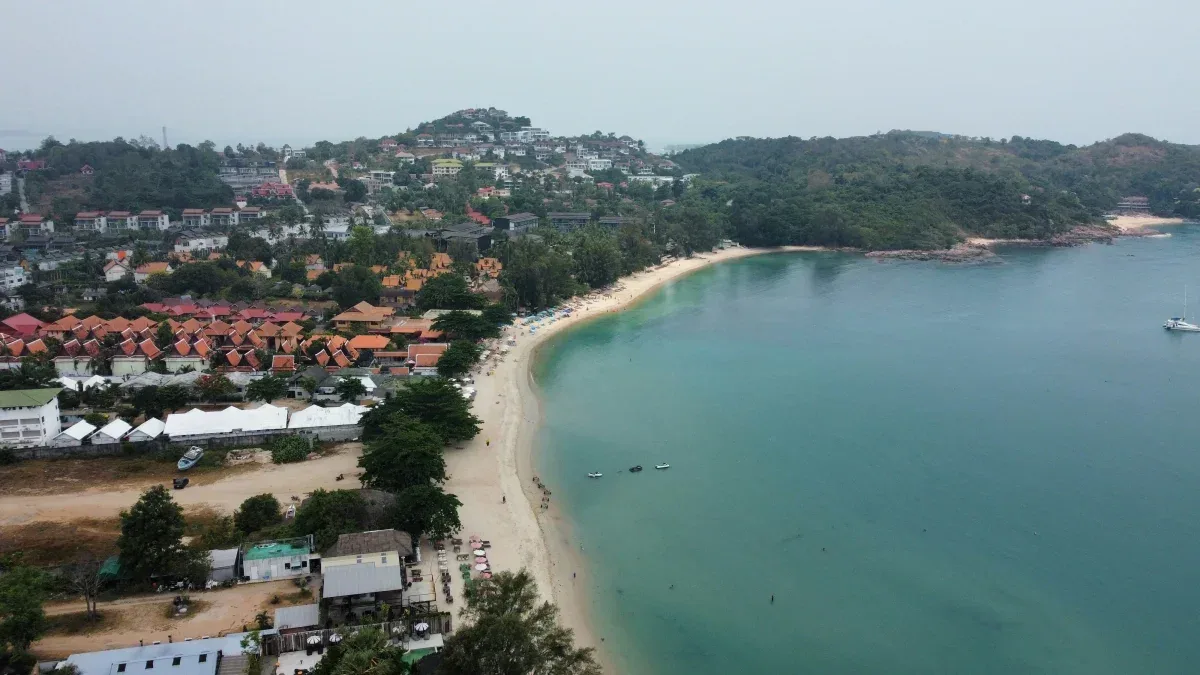
One of Thailand's largest islands, Koh Samui, arrived at mass tourism early and embraced it completely. The result is an island that feels less like Thailand and more like an international beach resort that happens to be located in Thai waters. Chaweng Beach—that famous seven-kilometer stretch of white sand—is lined with resorts, beach clubs, restaurants serving everything from authentic Thai to mediocre Italian to surprisingly good Japanese. The island has an international hospital, shopping malls, golf courses, and direct international flights to cities like Singapore, Kuala Lumpur, and Chengdu, plus seasonal connections elsewhere in Asia.
But here's what surprised me about Samui: pockets of authenticity survive. Bophut's Fisherman's Village preserves charming Chinese shophouses from when this was a quiet fishing community, before the resort developments, before the airport. The Friday Walking Street market here is genuinely good—local food stalls, live music, a community gathering that feels real rather than staged. And if you venture to the island's interior or quieter northern beaches, you'll find Thai families running small restaurants, monks collecting alms at dawn, and life proceeding at island pace rather than tourist pace.
Koh Phangan, 30 minutes by ferry from Samui, suffers from single-story syndrome. Everyone knows about the Full Moon Party—that monthly all-night beach rave at Haad Rin that's become a rite of passage for backpackers worldwide. What they don't know is that Phangan is actually a beautiful island of jungle-backed beaches, yoga retreats, and quiet coves accessible only by boat or jungle trek. Bottle Beach, Thong Nai Pan, the peaceful northern coast—these areas offer the tropical island experience without the party crowds. The trick is avoiding Full Moon week entirely and exploring anywhere except Haad Rin.
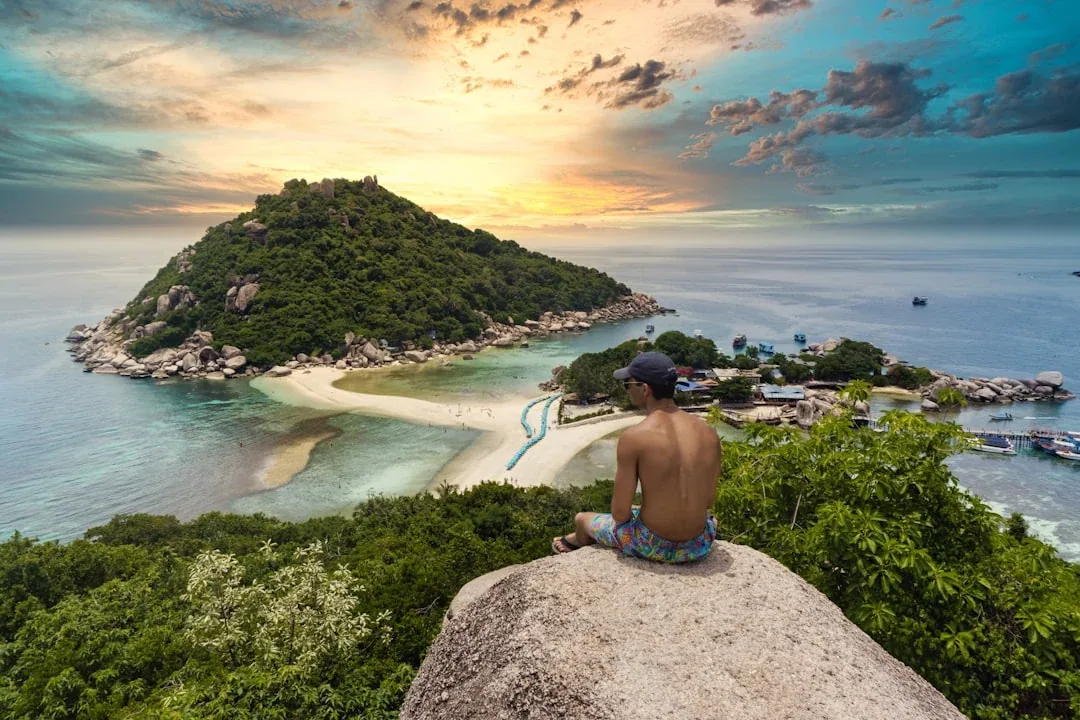
Then there's Koh Tao, the smallest of the trinity at just 21 square kilometers, which has built its entire economy around one thing: scuba diving. This tiny turtle-shaped island offers PADI Open Water certification for 9,000-12,000 baht, the cheapest in the world for quality instruction. More importantly, it offers exceptional diving—40+ sites with visibility often exceeding 30 meters, whale shark encounters at Sail Rock and Chumphon Pinnacle, and coral gardens perfect for beginners. The island is compact enough to scooter around in 30 minutes, yet developed enough to have good restaurants, comfortable accommodation, and a thriving diving industry that employs hundreds of instructors, boat captains, and support staff.
Let's talk honestly about cost. Island life in Surat Thani isn't cheap. Everything—food, accommodation, services—costs more than equivalent mainland options because everything must be ferried across water. A beachfront bungalow that might run 10,000-15,000 baht monthly in Chumphon will cost 20,000-40,000 baht on Samui. That whole grilled fish dinner that's 150 baht on the mainland? 400-600 baht on the islands.
But here's the calculation many expats and long-term visitors make: you're paying for infrastructure and convenience. Samui has Bangkok Hospital Samui with international standards and English-speaking doctors. The islands have reliable high-speed internet—crucial for remote workers. You can find international ingredients, good coffee shops with proper espresso, yoga studios, CrossFit gyms, and restaurants serving cuisine from a dozen countries. For some travelers, these amenities justify the price premium. For others, they represent exactly what they came to Thailand to escape.
The expat communities on these islands are substantial—estimates run 5,000-10,000 foreigners across the three main islands, ranging from dive instructors and restaurant owners to retirees and remote workers. This critical mass creates its own infrastructure: international schools, expat social groups, Facebook communities organizing beach cleanups and social events, and enough familiar faces that you can build genuine friendships. Whether that appeals to you depends on what you're seeking—community or escape, comfort or adventure.
By air: Samui Airport (USM) has direct flights from Bangkok (1.5 hours, 1,500-3,000 THB), plus international connections. Bangkok Airways dominates but Nok Air and Thai Airways also operate routes. From Samui, ferries connect to Phangan (30 min, 300 THB) and Tao (1.5-2 hours on Lomprayah high-speed, 600-800 THB).
By bus + ferry: Direct buses from Bangkok Southern Terminal include ferry tickets, taking 9-12 hours total for 700-1,200 THB. The bus delivers you to Surat Thani pier where you transfer to boats. Budget option but long journey.
Between islands: Multiple daily ferries connect all three islands. Book through Lomprayah or Songserm. High-speed catamarans cost more but save time.
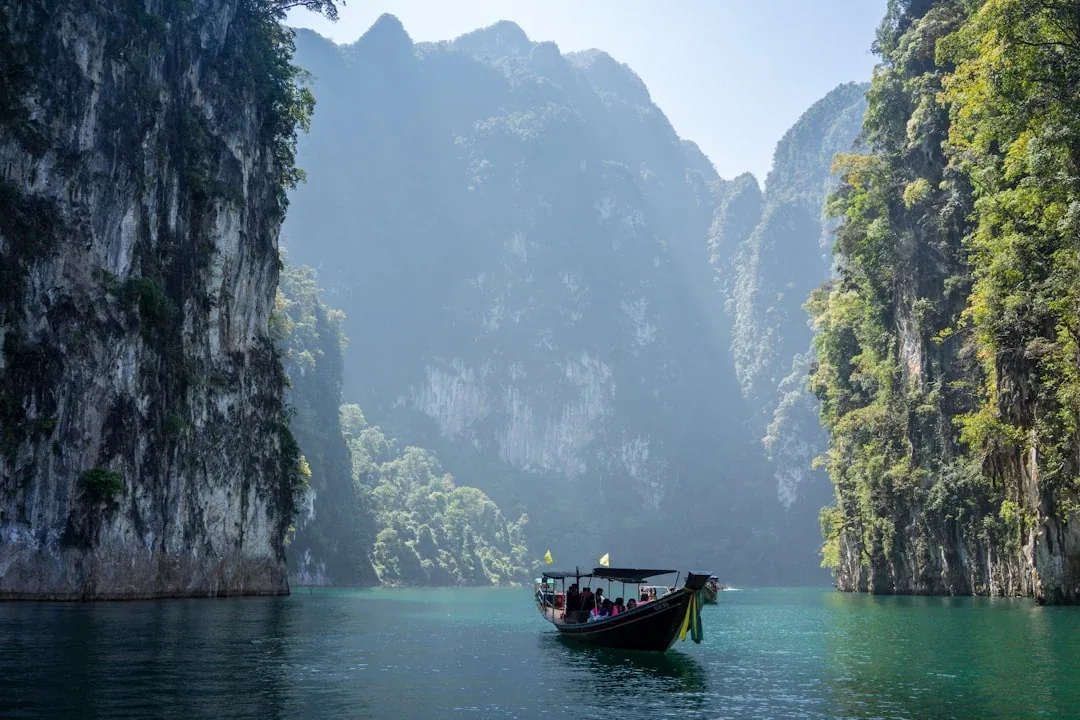
What most island visitors miss entirely is Surat Thani's mainland treasure: Khao Sok National Park. This 739-square-kilometer protected area contains some of the world's oldest rainforest—older than the Amazon, dating back 160 million years. Dense jungle cloaks limestone peaks rising to about 960 meters. Cheow Lan Lake, created by a 1987 dam, floods a valley with emerald water dotted by dramatic karsts that rival Halong Bay's scenery.
The biodiversity here is staggering. Wild elephants, gibbons, langurs, sun bears, tapirs, and even tigers (extremely rare, but present) inhabit the forest. Over 300 bird species include hornbills whose calls echo through the canopy. The massive rafflesia—world's largest flower—blooms unpredictably throughout the park. This is the Thailand of nature documentaries, primordial and overwhelming.
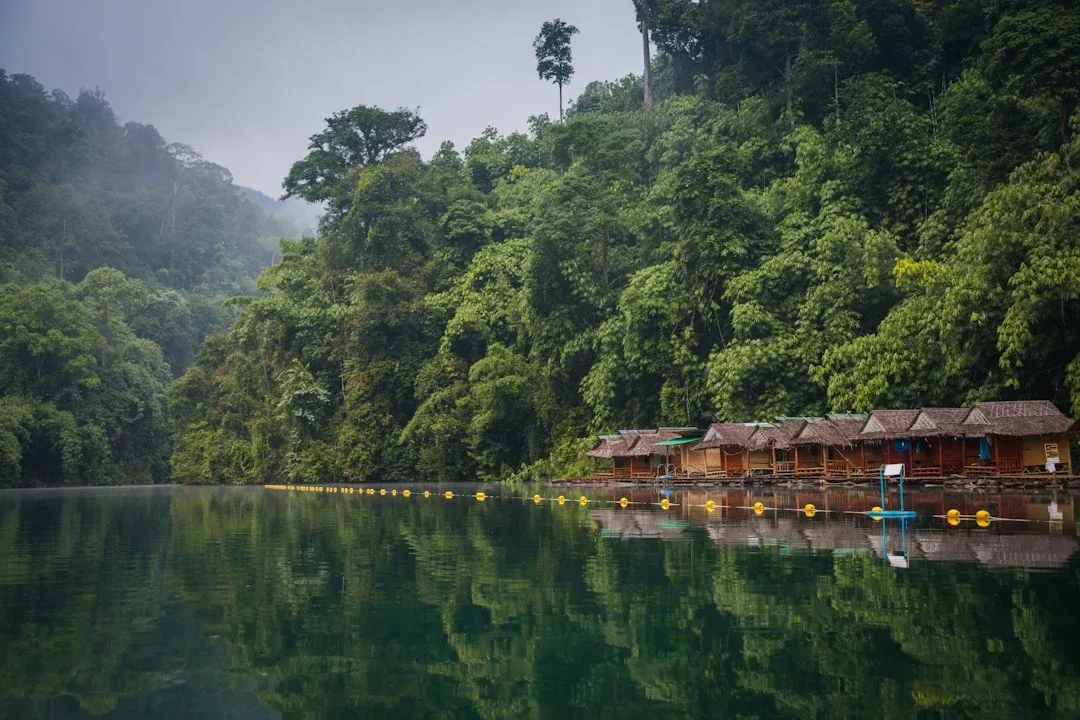
The park offers overnight stays at floating raft house accommodations on Cheow Lan Lake—basic wooden rooms literally floating on the water, surrounded by towering limestone cliffs. You wake to mirror-calm water reflecting the karsts, jungle sounds, and sunrise that seems designed specifically for this moment. Two-day packages from Surat Thani town run 3,500-8,000 baht including transport, raft house stay, meals, guide, and activities like kayaking, swimming in the lake, and cave exploration. For nature lovers visiting the islands, allocating 2-3 days for Khao Sok transforms the trip from beach vacation to genuine wilderness experience.
You can't write about Surat Thani's islands without addressing the Full Moon Party phenomenon. Once a month, Haad Rin Beach on Koh Phangan transforms into an all-night outdoor nightclub. Electronic music pounds from beach bars. Fire dancers twirl flaming batons. Crowds typically run several thousand to around twenty thousand—peaking above that at New Year and high season—mostly backpackers in their twenties dancing on the sand until sunrise, fueled by alcohol sold in buckets and energy drinks mixed with Thai whiskey.
Is it worth experiencing? That depends entirely on what you're seeking. If you're 23 and traveling Southeast Asia, yes—it's become a cultural touchstone of the backpacker trail, something to say you've done. If you're looking for authentic Thai culture, absolutely not. The Full Moon Party is Thai in location only; the experience itself is a globalized beach rave that could happen anywhere there's sand and permissive regulations.
What I found more interesting were the alternatives that have sprung up: Half Moon Party (electronic music festival in the jungle), Black Moon Party (different beach, different vibe), and the dozens of yoga retreats and wellness centers that represent Phangan's other identity. The island contains multitudes—party destination and spiritual sanctuary, backpacker haven and upscale resort refuge. You can choose your Phangan based on which one appeals.
→ Koh Samui (3-5 days): Base for comfort, explore Fisherman's Village, visit Big Buddha temple, day trip to Ang Thong Marine Park
→ Koh Phangan (3-4 days): Time for Full Moon Party if interested, plus quieter northern beaches like Bottle Beach or Thong Nai Pan. Avoid Full Moon week if parties aren't your scene.
→ Koh Tao (4-7 days): Get PADI certified or advanced training. Even non-divers enjoy snorkeling, coastal views, and relaxed atmosphere.
→ Khao Sok (2-3 days): Mainland detour for jungle, wildlife, and raft house experience before or after islands.
Total recommended: 14-20 days to experience the province properly without rushing.
The elephant in the room—or rather, the 3 million tourists annually on these islands—is overtourism. During peak season (November-February and July-August), Chaweng Beach can feel like an outdoor shopping mall. Ferry schedules get packed. Popular restaurants require reservations. Diving sites have multiple boats anchored at once. The infrastructure that makes these islands accessible and comfortable also enables crowd levels that can overwhelm the very beauty people came to experience.
The monsoon season (May-October) offers a counterpoint. Prices drop 30-50%. Crowds thin dramatically. Yes, you'll encounter rain—usually afternoon thunderstorms rather than all-day downpours—and seas can be rough, limiting boat trips. But if you're comfortable with uncertainty and occasional weather disruptions, low season delivers a vastly different experience: nearly empty beaches, restaurants happy to see you, locals who have time for genuine conversations because they're not overwhelmed with tourist management.
I've visited both seasons, and honestly, low season suits me better. The islands feel more like islands and less like resort complexes. The Thai character emerges when places aren't performing for tourist expectations. You see fishermen repairing nets, temple ceremonies attended by locals rather than photographed by tourists, and the slower rhythms of island life that drew people here in the first place, before "here" became famous.
"Low season delivers a vastly different experience: nearly empty beaches, restaurants happy to see you, and the slower rhythms of island life that drew people here before it became famous."
Here's the honest assessment: Surat Thani's islands aren't for everyone. If you're seeking undiscovered Thailand, authentic village culture, or budget travel that stretches dollars into months, look elsewhere. These islands have been discovered, developed, and integrated into global tourism networks. You'll hear English everywhere. You'll pay international prices. You'll encounter crowds during peak season.
But if what you want is world-class diving instruction at still-reasonable prices, if you value infrastructure and English-speaking medical care, if you want the option of excellent Thai food AND decent pasta AND fresh sushi all within walking distance, if you appreciate having an international airport that gets you home for emergencies without two days of overland travel—then Surat Thani's islands deliver.
The key is approaching with appropriate expectations. Don't come looking for the Thailand of 1980s backpacker legends. Come looking for beautiful islands with excellent services, diverse dining, strong expat communities, and access to spectacular natural areas like Ang Thong and Khao Sok. Accept the crowds as part of the package. Visit during shoulder or low season when possible. Seek out the pockets of authenticity that persist—the Fisherman's Village markets, the northern Phangan beaches, the interior temples, the morning markets in Surat Thani town itself.
Surat Thani Province offers a particular version of Thailand—one where paradise has been found, mapped, developed, and made accessible. That development brings both losses and gains. The trick is deciding which matters more to you: the Thailand that existed before tourism transformed it, or the Thailand that tourism has created—imperfect, commercialized, but undeniably spectacular when the sunset hits those karsts just right and you're floating in warm gulf water, watching the sky turn pink and gold. For more insights into island life and Thai coastal culture, explore our guides to Thai culture and daily life.
Provincial Capital
Surat Thani City
Population
~1.08 million (province)
Famous Islands
Samui, Phangan, Tao
Best Time to Visit
Nov-Feb (peak), May-Oct (low season deals)
BEST FOR
NOT IDEAL FOR
Emergency Numbers
Diving at Sail Rock
Best dive site, whale shark encounters
Ang Thong Marine Park
42-island archipelago, emerald lagoon
Khao Sok Raft Houses
Floating accommodation, ancient rainforest
Fisherman's Village
Friday market, authentic Samui character