Provinces
🏔️Loei
Where mountains meet mystical traditions
Where mountains meet mystical traditions
The ascent up Phu Kradueng begins at dawn, when the air still holds the mountain's nighttime chill and the trail hasn't yet been claimed by midday heat. Five and a half kilometres of steady climbing through tropical forest toward Thailand's most famous plateau—roughly 1,250 metres above sea level, topped by the 1,316 m Khok Moei summit, with sixty square kilometres of pine-studded grassland where December nights can drop close to freezing. This is Loei, where geography defied the northeastern Thailand blueprint and created something completely different: genuine mountains, a cool climate, and a culture shaped by elevation as much as by the Mekong River that forms its northern border with Laos.
Loei occupies Thailand's geographic and cultural transition zone—officially part of Isan (the northeast), but with landscape and character borrowed from the north. The elevation creates Thailand's most dramatic temperature swings: winter mornings cool enough to require jackets and one of the only strawberry- and cool-climate-coffee-growing regions in upper Isan. The Mekong provides the province's northern boundary, connecting Loei to Laotian culture and trade. But it's the mountains that define everything—from the legendary Phu Kradueng trek that every Thai hiker dreams of conquering, to the cooler climate that draws Thai tourists seeking escape from lowland heat, to the Phi Ta Khon festival where Dan Sai villagers don elaborate ghost masks in celebrations that blend Buddhism with ancient spirit beliefs.
Living in or extensively visiting Loei means engaging both its outdoor offerings and its cultural depth. This isn't beach Thailand or urban Thailand. It's mountain Thailand—where serious hikers find world-class national parks, where cool season brings temperatures that require actual blankets, where the Mekong-side town of Chiang Khan provides a small visitor infrastructure without overwhelming the provincial character. If you've been searching for Thailand beyond the tourist circuit but want more than rice fields, Loei offers a compelling alternative.
"Loei is mountain Thailand—where serious hikers find world-class national parks and cool season brings temperatures that require actual blankets."
There's no avoiding Phu Kradueng when discussing Loei—the mountain dominates both the physical landscape and cultural imagination. For Thais, climbing Phu Kradueng represents a rite of passage, something between adventure challenge and spiritual journey. The statistics are straightforward: roughly 5.5 km of steep climbing from the Si Than trailhead up to the plateau, gaining around 700–800 metres of elevation, with rest shelters along the way. Porters haul gear for those who need help. The summit plateau features multiple waterfalls, viewpoints where sunrise and sunset draw crowds, and camping areas where you'll spend the night under stars brighter than city dwellers remember exist.
But the experience transcends simple hiking metrics. The cool season transforms the plateau into something unique in Thailand—pine forests, temperate grasslands, morning fog rolling through valleys, temperatures that drop to single digits Celsius. This isn't tropical Thailand. It's ecosystems you'd expect in northern temperate zones, existing as an island of coolness surrounded by lowland heat. Wildlife includes barking deer, wild boar, white-handed gibbons and a long list of bird species. The park closes to overnight visitors each year from 1 June to 30 September while the plateau regenerates and the trails dry out—a safety decision that also gives the ecosystem a four-month break from foot traffic.
I'll be honest about fitness requirements: if you haven't hiked before, Phu Kradueng will hurt. The sustained climb, even with rest stops, challenges anyone not regularly active. But the pain is temporary and the achievement lasts. Standing at Pha Lom Sak viewpoint watching the sun rise over cloud-filled valleys while wearing a jacket in Thailand creates memories that beach sunsets can't match. The park limits visitors and requires advance booking during peak season (November-January)—plan accordingly.
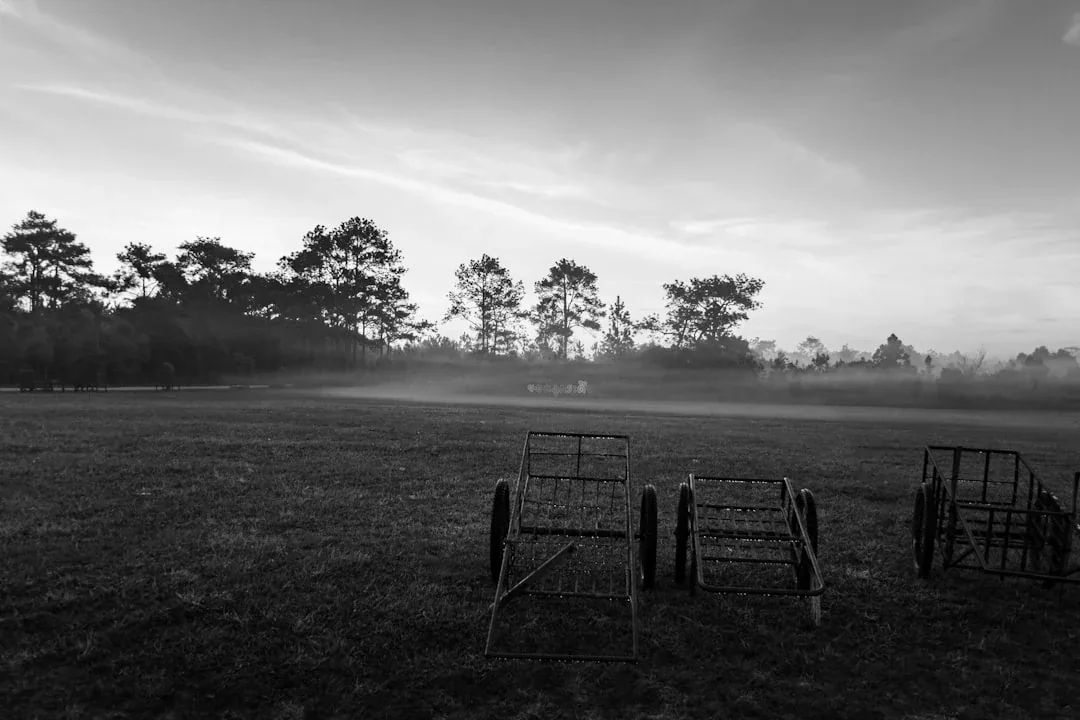
Forty kilometres north of Loei city sits Chiang Khan, a riverside town that successfully walks the line between preserving authenticity and welcoming tourism. The main walking street is lined with century-old Lao-influenced wooden shophouses—built in the late 19th century by villagers who crossed the Mekong from French Indochina to settle on the Thai side—now maintained and repurposed as guesthouses, cafés and craft shops. The Mekong flows wide and brown along the northern edge, with Laos clearly visible across the water. The morning alms-giving ceremony around dawn draws both devotees and observers, a daily ritual that still centres the town despite growing weekend visitor numbers.
What makes Chiang Khan work is its dual identity. During the day, it caters to Thai tourists who come for the riverside promenade, photo-worthy architecture, and relatively cool climate. Evening brings the walking street night market—not overwhelming, just a few blocks of food stalls selling local specialties and handicrafts. But beyond the tourist infrastructure, actual town life continues. Locals live in these historic houses. Monks conduct genuine religious practice, not performances. The river supports fishing livelihoods unchanged by tourism.
For longer-term visitors or remote workers, Chiang Khan offers something rare: a small town with adequate infrastructure and a nascent international community without becoming another digital-nomad hub. Several cafés provide reliable WiFi and work-friendly environments. Guesthouses offer monthly rates (4,500–8,000 baht for basic but comfortable rooms). The bicycle-friendly flat terrain makes daily errands easy. You're close enough to Nong Khai (around 190 km east along Route 211 hugging the Mekong) and Udon Thani (about 150 km south) for supply runs, but removed enough that life maintains its slower provincial rhythm.
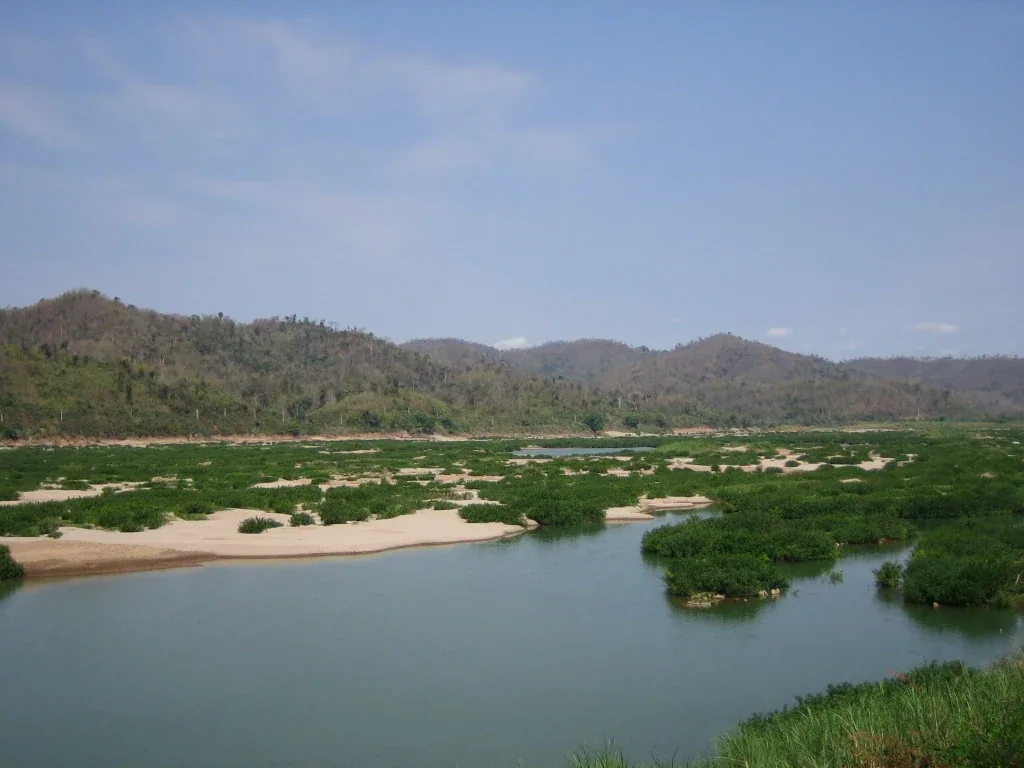
The Mekong River shapes northern Loei culture and provides genuine exploration opportunities. Long-tail boat tours navigate the Kaeng Khut Khu rapids during high water season, offering river perspectives impossible from shore. Multiple viewpoints along Route 211 provide panoramas of the river and Lao mountains. Small border markets sell Thai and Lao products. The river isn't just scenery—it's living cultural artery connecting communities across borders.
Sunset at riverside restaurants in Chiang Khan, watching the light turn the Mekong golden while eating fresh river fish grilled over charcoal (100-250 baht), ranks among Thailand's most satisfying simple pleasures. Not Instagram-famous, just genuinely good.
Each year in June or early July (the exact dates are set by local mediums after consultation with the town's guardian spirit), the small town of Dan Sai explodes with colour and chaos as the Phi Ta Khon festival transforms quiet streets into one of Thailand's most spectacular cultural celebrations. Villagers wear elaborate masks crafted from huat khao—the bamboo steaming-baskets used to cook sticky rice—topped with carved coconut or palm-leaf sheaths and painted in vivid colours. They represent spirits of the dead returning to take part in Buddhist merit-making as part of the larger Bun Luang ceremony. Each mask is unique—some beautiful, some deliberately grotesque—and the celebration blends ancient animist beliefs with Buddhist re-enactment of the Vessantara Jataka, the story of the Buddha's penultimate life.
What strikes visitors is the genuine wildness of it. This isn't sanitized cultural performance. Masked dancers pursue spectators with playful aggression. Traditional music—drums, gongs, bamboo mouth organs—creates cacophony that feels deliberately chaotic. Young men compete in costume contests displaying creativity and artistic skill passed through generations. Monks lead processions that ground the revelry in religious purpose. The three-day event attracts Thai and international visitors increasingly, but the celebration's roots run too deep for tourism to fundamentally alter it.
Logistics matter: accommodation in Dan Sai during Phi Ta Khon must be booked months in advance—the small town has limited rooms and demand far exceeds supply. Many visitors base in Loei city (50km away) and day-trip, though this means missing the early morning and evening ceremonies. Outside festival time, the Phi Ta Khon Museum (50 baht entry) displays masks and explains traditions year-round, providing context that enhances appreciation for the living festival. This is cultural Thailand operating at full intensity—overwhelming, fascinating, and utterly unique.
Elevation changed what grows in Loei, and what grows shaped local culture. Coffee cultivation at mountain elevations produces beans with flavor complexity that lowland coffee can't match—several farms practice organic methods and welcome visitors for tours (free to 200 baht). Fresh strawberries flood markets November through February, selling for 80-150 baht per kilo compared to Bangkok prices double or triple that. Some farms offer agri-tourism stays (500-1,200 baht including meals), letting visitors participate in harvest and processing while enjoying valley views.
The cool climate creates cultural practices distinct from lowland Isan. Winter mornings require blankets—a novelty in Thailand where most regions never need heating. Traditional weaving produces textiles designed for warmth rather than just decoration. Local festivals celebrate harvest cycles different from rice-dependent provinces. The relationship with seasons feels more pronounced; you genuinely experience weather changes rather than just hot, hotter, and rainy that defines much of Thailand.
This agricultural diversity appeals to certain foreign residents—those interested in sustainable farming, organic cultivation, or simply escaping Thailand's relentless heat. Several small eco-projects and organic farms around Loei employ or host volunteers. The work isn't romanticized farm life; it's actual agricultural labor. But for those seeking alternatives to digital nomad or teaching paths, Loei's agricultural character provides opportunities that Bangkok or beach towns don't offer.
→ November-February temperatures range 10-25°C—you'll actually need a jacket and blanket
→ Morning fog in valleys creates mystical atmosphere perfect for photography
→ Fresh strawberries everywhere at local prices, not tourist markup
→ Mountain coffee served at farm cafes showcasing Loei's agricultural diversity
→ Hiking comfortable without lowland Thailand's oppressive heat and humidity
→ National parks open and accessible with clear trails and stunning viewpoints
Loei city serves as the practical base for provincial life—shops, restaurants, government offices, and the most reliable internet connectivity. Rent for a one-bedroom apartment runs 5,000-7,500 baht monthly. Utilities add 1,200 baht. Food costs vary significantly: eating local means 7,500 baht monthly covers all meals generously; Chiang Khan's international options push that toward 10,000 baht. You can live comfortably here on 20,000-28,000 baht monthly—more than the cheapest Isan provinces but substantially less than Chiang Mai or Bangkok.
Transportation shapes how you experience Loei. The city itself is somewhat walkable, but visiting national parks, mountain farms, Chiang Khan, or Dan Sai requires your own wheels. Renting a scooter (200-300 baht daily, 2,500-4,000 baht monthly) is minimum for real mobility. The mountain roads are good quality but feature curves and elevation changes that demand attention. Songthaews (shared pickup trucks) run fixed routes between major towns but operate on schedules that prioritize locals' needs, not tourists' convenience.
Healthcare centres on Loei Hospital, which handles routine medical issues competently (doctor visits 400–800 baht without insurance). But specialised care or serious emergencies mean travelling to Udon Thani (~150 km, around 2 hours) or Bangkok (~540 km, seven to eight hours). The remote location demands health insurance and realistic expectations. This isn't where you want a medical emergency requiring immediate specialised intervention.
Loei's foreign community concentrates in Chiang Khan and consists mostly of long-term backpackers, occasional digital nomads, and a handful of retirees. There are no formal expat organizations or regular meetups. Facebook groups connect the scattered residents, but this isn't Chiang Mai's thriving international scene.
What exists instead is something quieter: foreigners who've chosen Loei specifically because it isn't another expat hub. People who value mountains over social scenes, who want Thai community integration rather than international bubbles. If you need active expat networking, look elsewhere. If you're comfortable building friendships slowly with both Thais and the few foreigners around, Loei works.
Phu Kradueng's fame overshadows Loei's other excellent national parks. Phu Ruea, at 1,365 metres, offers mountain beauty with far easier access—you can drive almost to the summit, making it family-friendly and suitable for those unable to tackle Phu Kradueng's challenging ascent. The park features accessible viewpoints, waterfalls, and mushroom-shaped rock formations carved by millions of years of erosion. For the famous wild cherry blossom (Prunus cerasoides) bloom that turns Thai hillsides pink in January–February, the celebrated viewpoint is actually Phu Lom Lo, in Phu Hin Rong Kla National Park on the Dan Sai side of the province.
Phu Luang Wildlife Sanctuary, south-west of Loei city, protects a high plateau of dipterocarp and pine forest at around 1,200 m and is one of the best places in Thailand to see wild orchids and pitcher plants; access is limited and visits must be arranged with the sanctuary office in advance. Further west, Phu Suan Sai National Park on the Lao border preserves a quiet stretch of montane forest with waterfalls best visited at the end of the rainy season. Both parks see far fewer visitors than Phu Kradueng and reward people willing to do a bit more planning.
These parks demonstrate Loei's fundamental appeal—serious outdoor offerings without tourist infrastructure overwhelming the experience. You won't find souvenir shops every hundred meters or guides hustling tours. You'll find well-maintained trails, basic but functional facilities, and nature operating largely on its own terms. For outdoor enthusiasts tired of Southeast Asia's over-touristed national parks, Loei provides refreshing alternatives.
Loei works for hikers and outdoor enthusiasts seeking world-class national parks without Chiang Mai prices or crowds. It works for remote workers who value cool climate and natural beauty over urban amenities or international social scenes. It works for budget-conscious travelers and retirees who want more than agricultural provinces offer but don't need beach access. It works for culture enthusiasts drawn to genuine festivals like Phi Ta Khon rather than tourist shows. And it works for anyone who's grown tired of hot, sticky Thailand and craves actual seasons.
It doesn't work for those requiring perfect internet reliability—connectivity exists but isn't Bangkok-level consistent. It doesn't work for nightlife seekers or people needing entertainment variety—this is provincial mountain Thailand, not urban playground. It doesn't work for beach lovers or those unable to handle cool temperatures (yes, 15°C is genuinely cold for many people adapted to perpetual warmth). And it doesn't work for anyone needing extensive English support—outside Chiang Khan's guesthouse owners, English is limited.
But if you've read this far imagining sunrise from Phu Kradueng's plateau, if the prospect of wearing a jacket in Thailand sounds appealing rather than bizarre, if you want to witness Phi Ta Khon's masked dancers without fully understanding the cultural depths you're observing, then Loei might offer exactly the Thailand you've been seeking. It's not easy, especially during hot season when mountains lose their cooling advantage. It's not convenient, with significant travel required for supplies and medical care. But it's undeniably beautiful—and beauty, combined with affordability and genuine cultural depth, creates value that Bangkok condos and beach resorts struggle to match. The mountains have that effect. They change what you value, what you need, and what feels like home.
Population
~632,000 (2024)
Capital
Loei City
From Bangkok
~540 km (7-8 hours)
Airport
Loei (limited service)
Monthly Budget
20,000-28,000 THB
Best Season
Nov-Feb (cool & dry)
Best For
Hikers, cool climate seekers, culture enthusiasts, digital nomads valuing nature over nightlife, budget-conscious retirees, photography enthusiasts, festival lovers
Not For
Beach lovers, those requiring perfect WiFi, nightlife seekers, people uncomfortable with cold weather, anyone needing extensive English support or international amenities
Cool Season (Nov-Feb)
10-25°C · Perfect hiking · Jacket needed
Hot Season (Mar-May)
20-30°C · Warm but manageable
Rainy Season (Jun-Oct)
18-28°C · Afternoon showers · Lush & green