Provinces
🏯PHETCHABURI
Historic royal city of cave temples, hilltop palaces, and legendary desserts
Historic royal city of cave temples, hilltop palaces, and legendary desserts
The morning light hits Phra Nakhon Khiri just right at dawn, illuminating the white palace buildings that crown the hilltop like a jeweled crown above the sleeping town. From up here—breathless from the climb, or cheating via cable car—you can see Phetchaburi spread below: the five white prangs of Wat Mahathat piercing the skyline, the Phetchaburi River curving through town, and beyond it all, limestone mountains rising from rice paddies like ancient teeth. This is Thailand before it became a postcard, before every corner held a Starbucks or hotel. This is where Thai kings came to escape Bangkok's heat, where monks still meditate in caves illuminated by shafts of divine light, where grandmothers guard dessert recipes that once graced royal tables.
Phetchaburi Province sits 160 kilometers southwest of Bangkok, straddling the narrow Thai peninsula where mountains meet the Gulf of Thailand. Its 484,000 residents occupy a landscape of dramatic contrasts: pristine rainforest in Thailand's largest national park, sacred limestone caves housing centuries-old Buddha images, royal palaces perched on hilltops, and Gulf-coast beaches where Bangkok families escape on weekends. But what sets Phetchaburi apart isn't just geography—it's the weight of history that permeates everything.
UNESCO named Phetchaburi a Creative City of Gastronomy in 2021, and the city earns that label every morning. Ancient Khmer temples from the 12th century stand alongside Ayutthaya-era monasteries and Rattanakosin royal palaces. King Rama IV built his summer retreat here in 1860, and subsequent monarchs followed suit, drawn by cool mountain breezes and spiritual tranquility. That royal patronage elevated everything—the architecture, the cuisine, the culture. Today you can still taste it, literally, in the province's legendary desserts. Multi-generational families continue producing khanom mo kaeng (coconut custard), thong yod (golden egg drops), and other confections using recipes developed for palace consumption centuries ago.
"This is Thailand before it became a postcard—where Thai kings came to escape Bangkok's heat, where monks still meditate in caves illuminated by shafts of divine light, where grandmothers guard dessert recipes that once graced royal tables."
Phra Nakhon Khiri dominates Phetchaburi both physically and spiritually. King Rama IV—an astronomy enthusiast who needed clear skies for his observations—chose this hilltop in 1860 for its elevation and panoramic views. The resulting palace complex mixes Thai, Chinese, and European architectural elements in a way that shouldn't work but somehow captures the eclectic confidence of 19th-century Siam opening to the world. White palace buildings with Victorian flourishes sit alongside Chinese-style pavilions and Thai temples, all connected by steep pathways winding up the mountain's slopes.
You can take the cable car for 50 baht—most tourists do—but walking up reveals the palace's defensive positioning, its strategic viewpoints, the way each building captures different angles of breeze. The climb takes about 20 minutes at a moderate pace, steep in places, with resident monkeys eyeing your water bottle. At the summit, the white chedis and palace buildings glow against blue sky, and on clear days you can see all the way to the Gulf. Today the hill is preserved as a Thai Historical Park, but local Thais knew it was special long before any formal designation arrived.
If Phra Nakhon Khiri showcases human ambition reaching skyward, Khao Luang Cave demonstrates nature's cathedral. The cave sits a few kilometers north of town, accessed via a steep staircase where monkeys wait to mug the unprepared. But arrive between 8 and 11am when the morning sun is positioned just right, and you'll understand why this has been a pilgrimage site for centuries.
A natural opening in the cave's roof creates a shaft of light that illuminates the hundreds of Buddha images arranged throughout the cavern. The effect is ethereal—golden Buddhas emerging from shadow, dust motes dancing in the beam, the constant drip of water echoing off limestone walls. Thai Buddhists come here to make merit, lighting incense and candles that add their own flickering light to the spectacle. It's free to enter, though you'll want a flashlight for exploring the cave's darker recesses, and you should absolutely guard your belongings from those entrepreneurial monkeys.
Phetchaburi is riddled with these cave temples—Tham Khao Bandai It features massive chambers connected by passages monks have used for meditation retreats for generations. The caves' natural acoustics turn chanting into something otherworldly. Unlike tourist-heavy cave temples elsewhere in Thailand, these remain active spiritual sites first, attractions second.
→ Phra Nakhon Khiri hilltop palace with panoramic views and mixed architecture
→ Khao Luang Cave with natural skylight illuminating Buddha images (best 8-11am)
→ Kaeng Krachan National Park—Thailand's largest at 2,915 km² with elephants and 400+ bird species
→ Wat Mahathat's five Khmer prangs dominating the town skyline
→ Cha-am Beach offering family-friendly coastline about 40km south
→ Royal dessert shops near temples selling centuries-old recipes
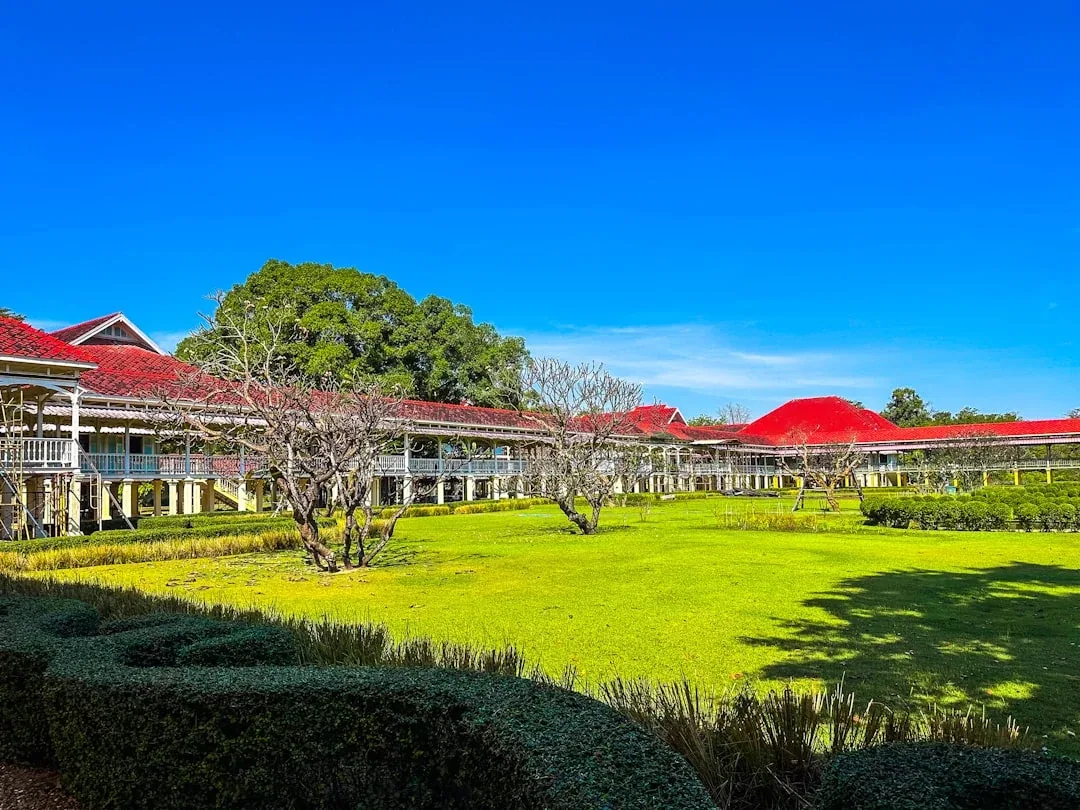
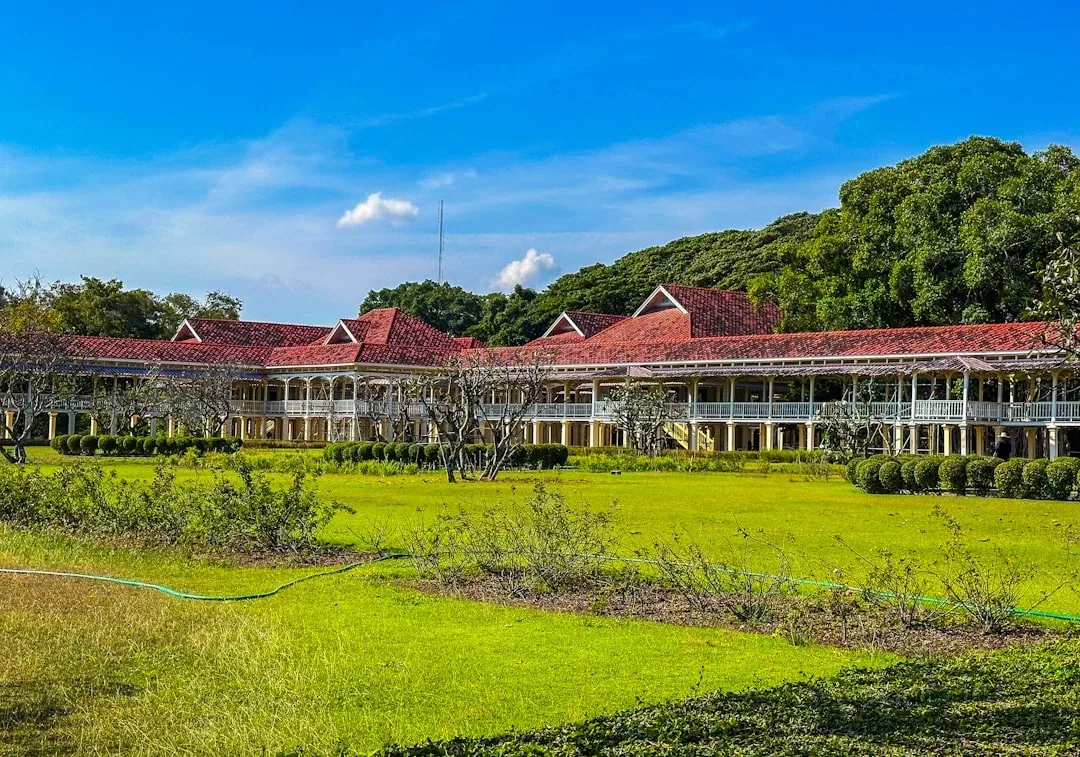
→ Maruekhathaiyawan Palace's teakwood elegance between Cha-am and Hua Hin
West of town, the landscape rises into mountains cloaked in some of Southeast Asia's last intact rainforest. Kaeng Krachan National Park sprawls across 2,915 square kilometers—Thailand's largest protected area—encompassing everything from lowland jungle to mountain peaks pushing 1,200 meters. Elephants still roam here, along with clouded leopards, gibbons, bears, and over 400 recorded bird species. It's the kind of wilderness that's increasingly rare in Thailand.
Most visitors base themselves at park headquarters, where bungalows and camping facilities provide access to hiking trails and waterfalls. Namtok Pa La-U is the most accessible waterfall, a multi-tiered cascade where you might spot butterflies congregating on wet rocks. The park is best visited November through April when trails are dry and wildlife more visible. Entry costs 300 baht for foreigners, and you'll absolutely need private transportation—the park is vast and public transport doesn't venture this far into the mountains.
Walk through Phetchaburi's old town near Wat Mahathat and you'll pass shopfronts displaying pyramids of golden sweets, custards in banana leaf cups, and confections that look almost too perfect to eat. This is khanom wan territory—traditional Thai desserts elevated to an art form during centuries of royal patronage.
The signature sweet is khanom mo kaeng: a baked coconut custard with a slightly savory edge from mung beans, topped with fried shallots. Dense, rich, not too sweet despite what you'd expect. The premium versions use duck eggs for a richer gold color and more luxurious texture. Long-running family shops like Mae Kimlang and Mae Chand have been refining their recipes for generations. At 40-60 baht per piece, it's a steal for something that once graced palace tables.
Then there are the golden egg sweets—thong yod, thong yib, and foi thong. Made from egg yolks, sugar syrup, and jasmine water, shaped into drops, pinched flowers, or fine threads. The labor involved is extraordinary: separating dozens of eggs, getting the syrup temperature precisely right, shaping each sweet by hand. They symbolize prosperity and good fortune, often given as gifts during auspicious occasions. Multiple generations-old shops compete for the title of best version, each family convinced their grandmother's technique produces superior results.
During hot season (April-May), seek out khao chae: rice soaked in jasmine-scented ice water, served with elaborate side dishes of stuffed peppers, sweet shredded pork, and pickled vegetables. Originally royal palace cuisine designed to beat the heat, it's now associated with Phetchaburi and neighboring provinces. The rice water is perfumed with jasmine, candle wax drippings, and camphor ice—an acquired taste perhaps, but refreshing in ways that transcend mere temperature.
Phra Nakhon Khiri: Open 8:30am-4:30pm daily. Entry 200 THB for foreigners. Cable car adds 50 THB or climb the walking path in 20 minutes. Wear comfortable shoes and modest clothing covering shoulders and knees. Best light for photography is early morning or late afternoon.
Cave temples: Visit Khao Luang Cave 8-11am for the best natural lighting through the skylight. Free entry but bring flashlight and watch for monkeys. Tham Khao Bandai It offers cooler chambers for meditation—donations appreciated.
February-March: The annual Phra Nakhon Khiri Fair transforms the palace with light shows, traditional performances, and cultural demonstrations. Book accommodation early during this week-long festival.
About 40 kilometers southeast of Phetchaburi town, Cha-am Beach offers what many Bangkok weekenders come seeking: sandy shores, beachfront seafood, and a more laid-back vibe than nearby Hua Hin. The beach stretches several kilometers, wide and golden, with calm waters suitable for swimming. Weekends see Thai families setting up umbrellas and ice chests, horses plodding along the waterline offering rides, jet-ski operators calling out prices.
It's not Phuket-level tourism—there's no walking street, no packed beach clubs, no international resort chains (though there are plenty of Thai-owned hotels and small resorts). That's precisely the appeal. Cha-am remains primarily a Thai beach, where the food is authentic, prices are reasonable, and you can actually find empty stretches of sand midweek. Between Cha-am and Hua Hin sits Maruekhathaiyawan Palace, a 1923 summer residence built entirely from golden teakwood with elevated walkways catching sea breezes—worth a stop for its elegant architecture and tranquil gardens.
Phetchaburi attracts a small but committed group of expats—primarily retirees drawn by the combination of affordability, culture, and proximity to Bangkok. The cost of living is significantly lower than the capital: decent one-bedroom apartments in town center run 4,500-9,000 baht monthly, beach condos in Cha-am go for 8,000-18,000 baht. A comfortable monthly budget including rent, food, utilities, and transportation ranges from 21,000-43,500 baht depending on lifestyle choices.
The trade-off is minimal expat infrastructure. There are no international schools, few coworking spaces, limited English-language services. The expat community is small enough that everyone seems to know everyone else, and integration into Thai society isn't optional—it's required for daily life. Retired expats appreciate this authenticity, the way Phetchaburi life operates on Thai terms rather than catering to foreign expectations.
Healthcare is adequate for routine needs. Phetchaburi Hospital provides comprehensive services with some English-speaking staff, and costs are reasonable—outpatient visits run 500-1,500 baht. For serious medical issues, Hua Hin's international hospitals are 45 kilometers south, and Bangkok is 2.5-3 hours away. Internet connectivity is good in town (fiber available at 500-1,000 baht/month), though mountain areas near Kaeng Krachan can be spotty.
Getting here from Bangkok is straightforward: minivans depart every 30-40 minutes from Southern Bus Terminal (120-150 baht, 2.5-3 hours), trains run from Krung Thep Aphiwat (Bang Sue) several times daily (40-200 baht depending on class), or you can drive Highway 4 in about 2.5 hours. Within town, everything walkable in the center, though you'll want a motorcycle or car for exploring cave temples, the national park, or beach areas. Songthaews connect major points for 20-40 baht shared, or 200-300 baht charter.
November-February (cool season): Best time to visit with temperatures 22-30°C and minimal rain. Perfect for palace climbing, cave exploring, and beach lounging. Peak tourist season means advance booking recommended.
March-May (hot season): Intense heat 32-40°C inland, slightly cooler at coast. Khao chae season and Phra Nakhon Khiri Fair (Feb-March). Mountains offer relief. Lower accommodation rates except during festivals.
June-October (rainy season): Afternoon thunderstorms common, mornings often clear. Lush landscapes, full waterfalls at Kaeng Krachan, fewer crowds. Some rural roads flood during heavy rain.
Phetchaburi's location makes it an excellent base for regional exploration. Hua Hin sits 45 kilometers south—Thailand's original beach resort with royal palace, night markets, golf courses, and more developed expat infrastructure. Ratchaburi, 60 kilometers north, offers the famous Damnoen Saduak Floating Market, traditional pottery villages, and coconut sugar production. Prachuap Khiri Khan, 70 kilometers south, provides peaceful coastal living with pristine beaches and authentic fishing town atmosphere.
What draws people to Phetchaburi isn't flashy attractions or extensive amenities. It's the accumulated weight of history visible in every temple, the genuine Thai culture operating without tourist veneer, the way royal dessert recipes still matter to grandmothers who learned them from their grandmothers. It's waking early to catch morning light in Khao Luang Cave, climbing to the white palace at dawn, eating khanom mo kaeng that tastes exactly as it did when Rama IV ruled. For those seeking Thailand before the tour buses arrived, before every experience was optimized and packaged, Phetchaburi offers something increasingly rare: authenticity at a human scale, history you can taste and touch, and beauty that doesn't need filters to impress. If that appeals to you, and you can handle Thai language requirements and limited expat services, this province rewards curiosity with depth. For more guidance on settling into Thai provincial life, explore our comprehensive living guides.
Distance from Bangkok
160 km southwest
Population
484,000
Best Time to Visit
November to February
Famous For
Royal desserts, cave temples, hilltop palace
Quick Take
Phetchaburi blends royal heritage, spiritual depth, and natural beauty into one of Thailand's most historically significant provinces—offering authentic cultural immersion with convenient Bangkok access.