Provinces
🌊Bueng Kan
Thailand's youngest province and Mekong frontier
Thailand's youngest province and Mekong frontier
The wooden staircase clings to the cliff face like a prayer, zigzagging up a sandstone massif in seven dramatic levels. This is Wat Phu Tok—literally "Lone Mountain Temple"—where Buddhist monks built a monastery into living rock, creating wooden walkways that connect meditation caves, simple dwelling quarters, and viewpoints where the Mekong valley unfolds in every direction. Below, Laos rises green across the river. Above, the final level offers 360-degree panoramas that explain why this place feels sacred. This is Bueng Kan, Thailand's newest province, split from Nong Khai in 2011 as the country's 77th province, and still raw with frontier character—a place where the Mekong defines everything, where Lao cultural influences remain stronger than Thai national identity, and where tourism development hasn't quite arrived yet.
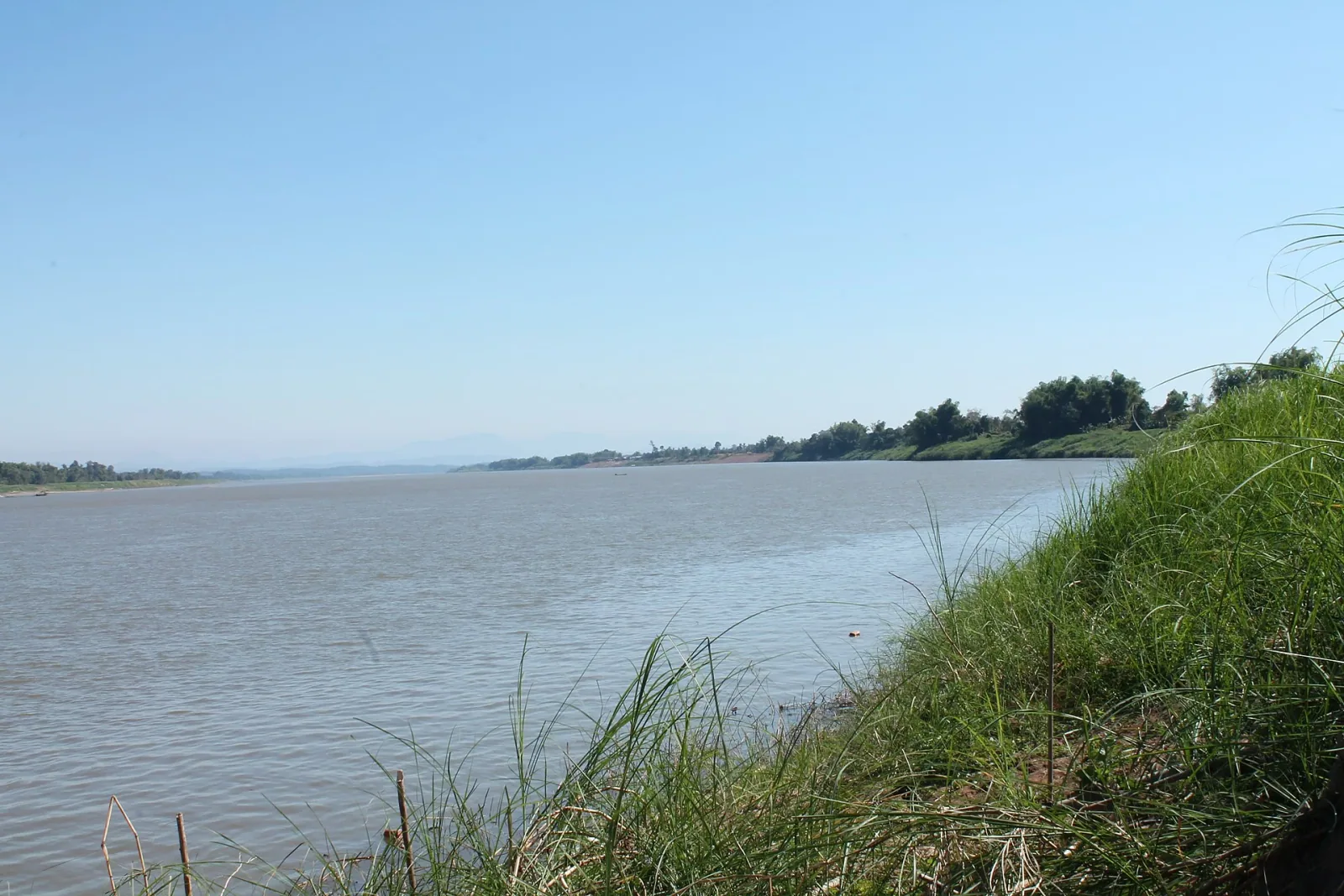
Bueng Kan stretches along roughly 120 kilometers of the Mekong River, creating Thailand's border with Laos. The river isn't just geography—it's the organizing principle of life. Fishing communities work the waters using techniques passed through generations. Border markets trade Thai and Lao goods. Spirit beliefs center on the river's power and the spirits inhabiting cliffs and forests. The landscape features dramatic sandstone formations rising from plains, pristine wilderness in protected areas like Phu Sing Forest Park (home to the much-photographed Hin Sam Wan or "Three Whales Rock") and the Bueng Khong Long Ramsar wetland, and agricultural communities—Thailand's leading rubber-growing region in Isan—that feel more Lao than Thai in language, food, and worldview.
I won't sugarcoat this: Bueng Kan is remote, underdeveloped, and challenging for foreigners. English is essentially non-existent. Western amenities don't exist. The few tourists who visit are adventure-seekers attracted specifically by the lack of infrastructure. But for those willing to embrace genuine frontier living, Bueng Kan offers something increasingly impossible to find in Thailand—complete authenticity, rock-bottom costs, and the chance to live in a place still defining itself, where your presence as a foreigner is genuinely unusual and therefore creates deeper cultural exchange than tourist hubs allow.
"Bueng Kan offers something increasingly impossible to find in Thailand—complete authenticity and the chance to live in a place still defining itself."
Wat Phu Tok justifies the journey to Bueng Kan alone. The monastery represents Buddhist practice at its most dramatic—monks living in caves and simple wooden structures clinging to a sandstone pinnacle, connected by wooden walkways and stairs that test both physical courage and spiritual commitment. The seven levels correspond to the seven stages of enlightenment in Buddhist cosmology. Visitors can climb all seven (though the final levels require reasonable fitness and comfort with heights), each offering increasingly spectacular views and deeper solitude.
What makes Wat Phu Tok extraordinary isn't just the architectural audacity—though watching wooden platforms cantilevered from cliff faces is genuinely breathtaking. It's the active monastery within. Monks meditate in caves. Simple dwellings house those committed to solitary practice. The climb isn't performance; it's pilgrimage. Thai visitors come for merit-making and spiritual renewal, not photo opportunities. Early morning visits reward with monks performing alms rounds along the cliff levels, an image that defies everything you thought you knew about Thai Buddhism.
Practical details matter: arrive early (before 8am) to avoid heat and crowds. The climb takes 1-2 hours depending on pace and how long you linger at each level. Dress respectfully—this is an active monastery, not a tourist attraction. Women should be especially careful not to touch monks or obstruct their paths on narrow walkways. The site is free, though donations support maintenance of the wooden structures that require constant upkeep. And yes, if you're afraid of heights, levels five through seven will challenge you. The views earn the discomfort.
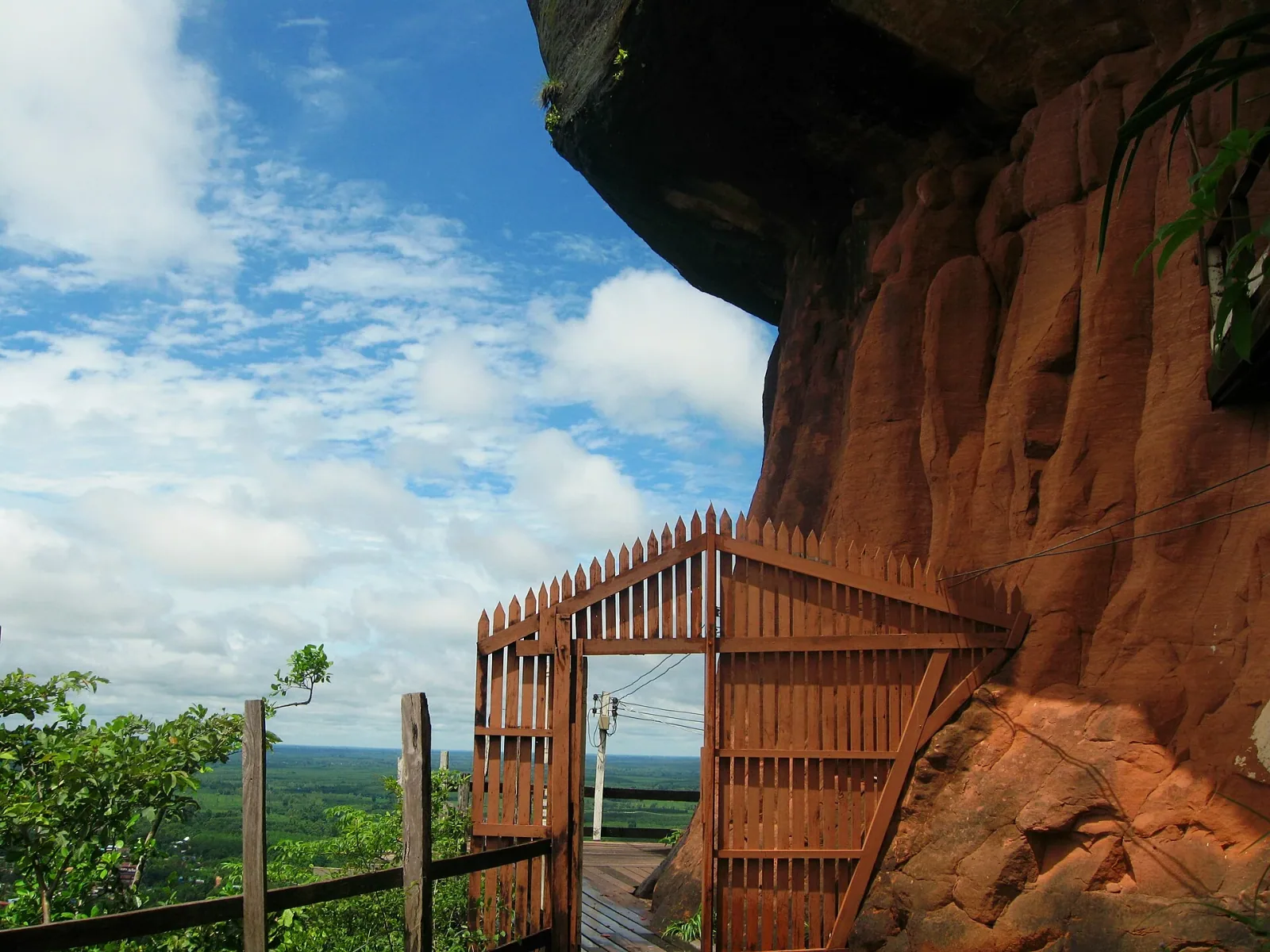
The Mekong River through Bueng Kan shifts character with seasons. Dry season (December-May) reveals rocky rapids and sandbar islands where locals fish and picnic. The famous Kaeng Ahong rapids appear during these months—turbulent whitewater sections where the river rushes over and between exposed rock formations, creating dramatic scenery and excellent riverside restaurants serving Mekong fish grilled over charcoal. Rainy season transforms the river into a wide, powerful flow that rises meters above dry season levels, hiding the rocks and creating calm but deep waters.
Border life defines the culture. Laos is right there, visible across the river, close enough to make out individual houses in Lao villages. Multiple unofficial ferry crossings connect Thai and Lao communities that share more cultural identity with each other than with their respective national capitals. Small border markets operate where Thai and Lao goods mix—Lao coffee, Thai instant noodles, products from both countries side by side. The cultural fusion goes deeper than trade: language here is Isan-Lao, closer to Lao than central Thai. Food features more Lao dishes. Music and festivals follow rhythms that Bangkok barely recognizes.
For travelers, the Mekong provides genuine exploration beyond standard tourist routes. Long-tail boat tours navigate the river during high water season, visiting villages accessible only by water. Riverside viewpoints along the main road offer panoramas that change with light—golden at sunset, misty at dawn. Fishing communities welcome respectful visitors curious about traditional river life. This isn't tour oper ator Thailand. It's organic cultural exchange that happens when you slow down enough to notice people living their actual lives rather than performing culture for cameras.
Bueng Kan now has its own international land crossing: the Fifth Thai–Lao Friendship Bridge between Bueng Kan town and Pakxan in Bolikhamsai province opened to the public at the end of 2025, with regular cross-border bus services starting in early 2026. A long-running passenger ferry between the same two towns continues to operate alongside it. The next closest crossing remains Nong Khai—about 135 km west—via the First Friendship Bridge to Vientiane.
The Mekong's role as a border creates unique opportunities to experience two countries' cultures meeting and blending. Don't just look across the river—engage the Lao-Thai fusion that makes border regions culturally distinct from anywhere else.
Phu Wua Wildlife Sanctuary protects 185 square kilometers of pristine forest and mountains—genuine wilderness where wild elephants, gaur (wild cattle), sun bears, and gibbons still roam. The sanctuary isn't set up for casual tourism. Trails exist but aren't heavily maintained or marked. Camping is possible but requires self-sufficiency. This is for serious nature enthusiasts seeking wilderness experience rather than nature park amenities.
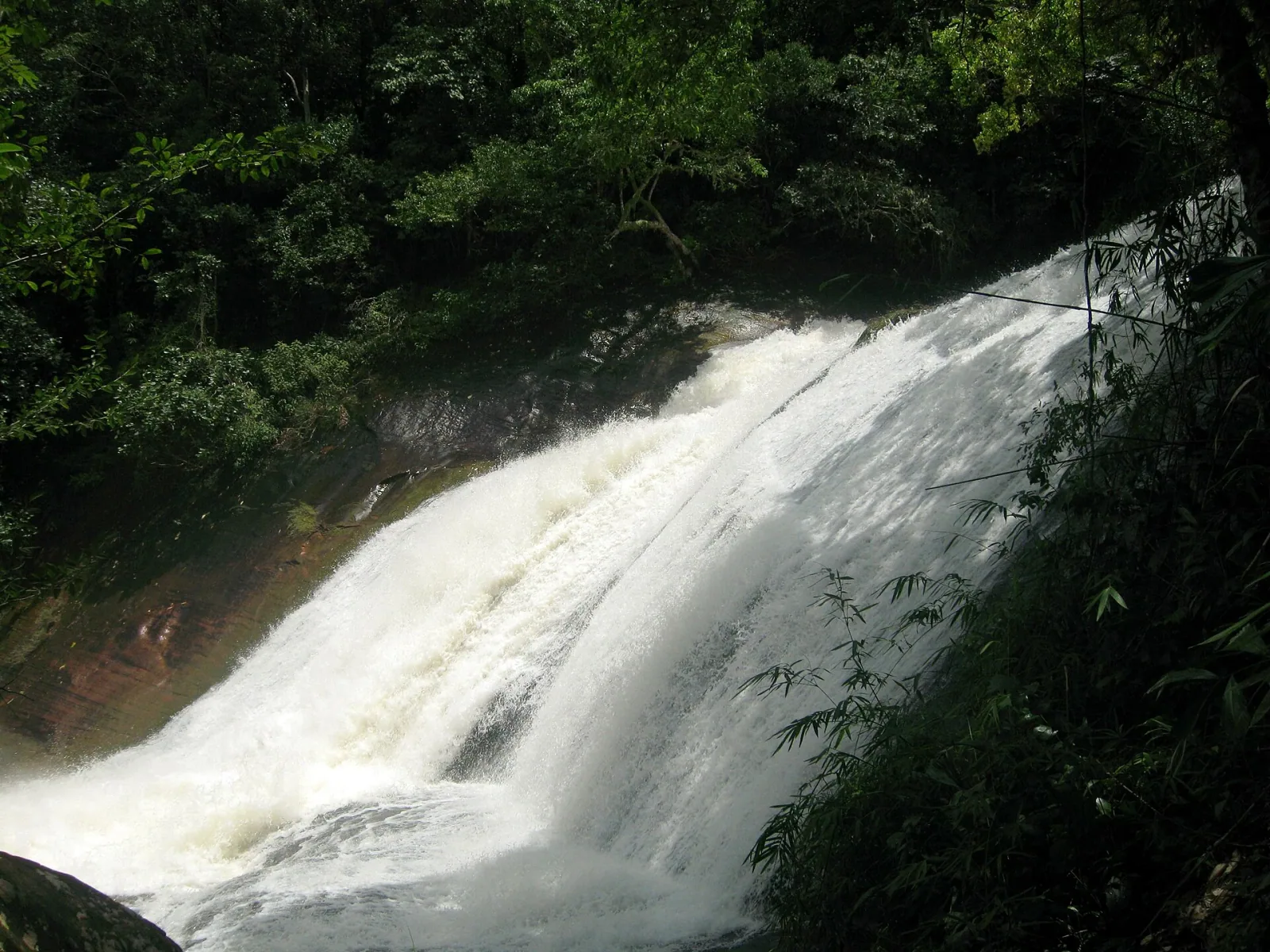
What Phu Wua offers is increasingly rare: solitude and actual wildness. You won't see crowds. You might see wildlife if you're patient and fortunate. The elevation creates cooler microclimates and morning mist filling valleys. Waterfalls run during rainy season. The forest represents ecosystems that once covered much of northeastern Thailand but now survive only in protected pockets. For those seeking escape from even Thailand's remote areas, Phu Wua provides the next level of removal.
Logistics require planning: hire a local guide through guesthouses in Bueng Kan town for around 500-1,000 baht per day. Bring camping gear if staying overnight. Water and food are your responsibility. Mobile phone coverage is spotty at best. This isn't dangerous if you're prepared, but it's genuinely remote—approach with respect for wilderness that doesn't cater to visitors.
Bueng Kan town serves as the provincial base—small, manageable, and thoroughly Thai-provincial in character. Accommodation runs from basic guesthouses (250-500 baht per night) to simple hotels (600-1,200 baht). Long-term apartment rentals exist but require local connections to find—4,000-7,000 baht monthly for basic furnished units. The market favors tenants because demand is minimal. Foreigners choosing to stay long-term can negotiate favorable terms simply because landlords have few other options.
Cost of living is extraordinarily low. Monthly budgets of 18,000-22,000 baht cover comfortable local living—rent, utilities, all meals at markets and simple restaurants, and basic entertainment. This might be Thailand's cheapest provincial living outside the most remote agricultural areas. The savings come with trade-offs: no international food, limited shopping, basic everything. But for those whose priorities align with simplicity and affordability, Bueng Kan delivers exceptional value.
Internet connectivity exists in town—fiber from AIS and True provides adequate speeds for remote work (100-300 Mbps for 600-800 baht monthly). But "adequate" doesn't mean "perfectly reliable." Test thoroughly before committing. Rural areas beyond town have spotty 4G and no fiber. If your livelihood depends on consistent connectivity, Bueng Kan carries risk. Budget for mobile hotspot backup from multiple carriers and accept occasional disruptions.
→ Morning markets (5-10am) provide incredibly fresh and cheap produce—10-30 baht per kilo
→ Riverside restaurants serve authentic Isan-Lao cuisine at 20-60 baht per dish
→ You'll be the only foreigner in most situations—embrace the attention or move elsewhere
→ Thai language essential; Isan-Lao dialect helpful; English functionally useless
→ Pla som (fermented fish) and som tam pla ra define local food—intense and acquired tastes
→ The Mekong provides daily rhythm—fishing activity, river traffic, seasonal changes all shape life
Bueng Kan's culture is Isan-Lao at its core, with Thai national identity layered on top but not fully absorbed. The language you'll hear on streets is closer to Lao than Thai. Traditional music features mor lam—Lao-Isan storytelling through song—not central Thai music. Buddhist practice blends with animist beliefs about river spirits and natural forces. Temples follow Lao architectural influences. Even family structures and social organization reflect Lao cultural patterns more than Bangkok's model.
Living here means engaging this Lao-Thai fusion directly, without tourist buffers or English-language support. You'll attend festivals you don't fully understand but find fascinating. You'll eat food that challenges Western palates—fermented fish features prominently, chilies are ubiquitous, sticky rice replaces regular rice entirely. You'll navigate bureaucracy that assumes you speak Thai and doesn't provide alternatives. These challenges either wear you down or teach you resilience. There's little middle ground.
The absence of any real expat community means two things: no foreign support system, but also no expat bubble insulating you from genuine Thai integration. Your neighbors won't treat you as temporary tourist. If you're here long-term, you become the local foreigner—known, accepted (eventually), and part of community fabric in ways that Chiang Mai expat groups never quite achieve despite their size. It's harder, lonelier initially, but potentially more rewarding for the right personality.
Bueng Kan Hospital handles basic medical needs—doctor visits cost 300-600 baht without insurance, routine ailments receive competent treatment. But anything beyond basics means traveling to Nong Khai (~135km, ~2 hours) or Udon Thani (~200km, ~2.5-3 hours) for better facilities.
Bangkok hospitals are 10-11 hours away by road. Serious medical emergencies present genuine challenges. Comprehensive health insurance isn't optional—it's essential. The remote location demands you accept healthcare limitations as part of the frontier experience.
Bueng Kan works best as part of broader Mekong exploration rather than isolated destination. Nong Khai, about 135 kilometers west along Route 212, provides the nearest significant amenities and the First Friendship Bridge to Vientiane, Laos. Nakhon Phanom, about 160 kilometers south-east along the same Mekong-hugging route, offers a beautiful riverside promenade and the Third Friendship Bridge to Thakhek. Loei, a longer drive southwest, brings mountains and national parks for different scenery.
These neighboring provinces let you break Bueng Kan's intensity with supply runs and environmental variety. You can base in Bueng Kan for affordability and authenticity while using weekends to access services and amenities the province lacks. The location along the Mekong creates natural travel corridor for exploring border regions without committing to full-time Bangkok accessibility.
Crossing into Laos from nearby provinces opens additional cultural depth. Vientiane provides different national culture just hours away. Smaller Lao border towns showcase village life operating at even slower pace than Thai counterparts. The regional exploration possible from Bueng Kan creates advantages that offset some of the province's development limitations.
Bueng Kan works for adventurous travelers seeking Thailand's final frontier—people who've done the tourist circuit and want something completely different. It works for remote workers with established income who value extreme affordability and don't need perfect infrastructure. It works for nature enthusiasts drawn to Wat Phu Tok's drama and Phu Wua's wilderness. It works for cultural learners willing to embrace Isan-Lao fusion without English crutches. And it works for anyone seeking places so remote that your presence genuinely matters—where you're not tourist number 10,000 this month but perhaps the only long-term foreign resident.
It absolutely doesn't work for first-time Thailand visitors—this isn't where you learn the country. It doesn't work for those requiring Western amenities, reliable WiFi, English support, or international food. It doesn't work for anyone uncomfortable being the constant center of attention as the only foreigner around. It doesn't work for those seeking social scenes, dating pools, or established expat networks. And it definitely doesn't work for people who need reassurance and comfort—Bueng Kan offers challenge and authenticity instead.
But if you're reading this and feeling drawn rather than deterred, if Wat Phu Tok's cliff monastery captures your imagination and 18,000 baht monthly budgets sound liberating rather than limiting, if you want to live in a province young enough that it's still defining itself and remote enough that foreign residents remain rare, then Bueng Kan might offer exactly what you've been seeking. It's not easy. It's not comfortable. It's not for most people. But for the right person, it's Thailand distilled to something pure—a river, some cliffs, authentic culture, and the freedom that comes from living so far from standard tourist infrastructure that you have to create your own experience entirely. The frontier has that effect. It strips away everything unnecessary and shows you what actually matters—which, depending on your temperament, is either the greatest gift or the hardest challenge Thailand can offer.
Population
413,000 (province)
Capital
Bueng Kan City
Established
2011 (newest province)
Nearest Airport
Udon Thani (~200km)
Monthly Budget
18,000-22,000 THB
Best Season
Nov-Feb (cool & dry)
Best For
Adventure seekers, extreme budget travelers, cultural immersion enthusiasts, remote workers valuing affordability over infrastructure, nature lovers, frontier experience seekers
Not For
First-time visitors, those requiring English support or Western amenities, anyone needing reliable infrastructure, social seekers, comfort-oriented travelers