Provinces
🐘Kamphaeng Phet Province
Ancient temples, pristine nature, and Thailand's most authentic province
Ancient temples, pristine nature, and Thailand's most authentic province
You're cycling through the Kamphaeng Phet Historical Park at 7am, essentially alone. Around you, dozens of 14th-century temple ruins rise from manicured lawns—massive laterite chedis, Buddha images missing noses but radiating serenity, elephant-buttressed walls that once protected a kingdom. The morning mist lifts off ancient stone. Birds call from surrounding forest. A single monk walks between ruins, his saffron robe bright against gray stone. This is UNESCO-caliber archaeology experiencing what Sukhothai was thirty years ago: world-class historical sites without the tour buses, selfie sticks, or souvenir hawkers. Welcome to Kamphaeng Phet—Thailand's best-kept historical secret.
Kamphaeng Phet Province sits 360 kilometers north of Bangkok, straddling the cultural boundary between Central and Northern Thailand. The name means "Diamond Wall," referring to fortifications so legendary they became metaphor. During the 13th-15th centuries, this was a strategic outpost of the Sukhothai Kingdom, controlling trade routes and protecting the realm's western frontier. When Sukhothai fell, Kamphaeng Phet retained its temple complexes and cultural significance, but faded from prominence. Today, that historical obscurity is precisely what makes it remarkable.
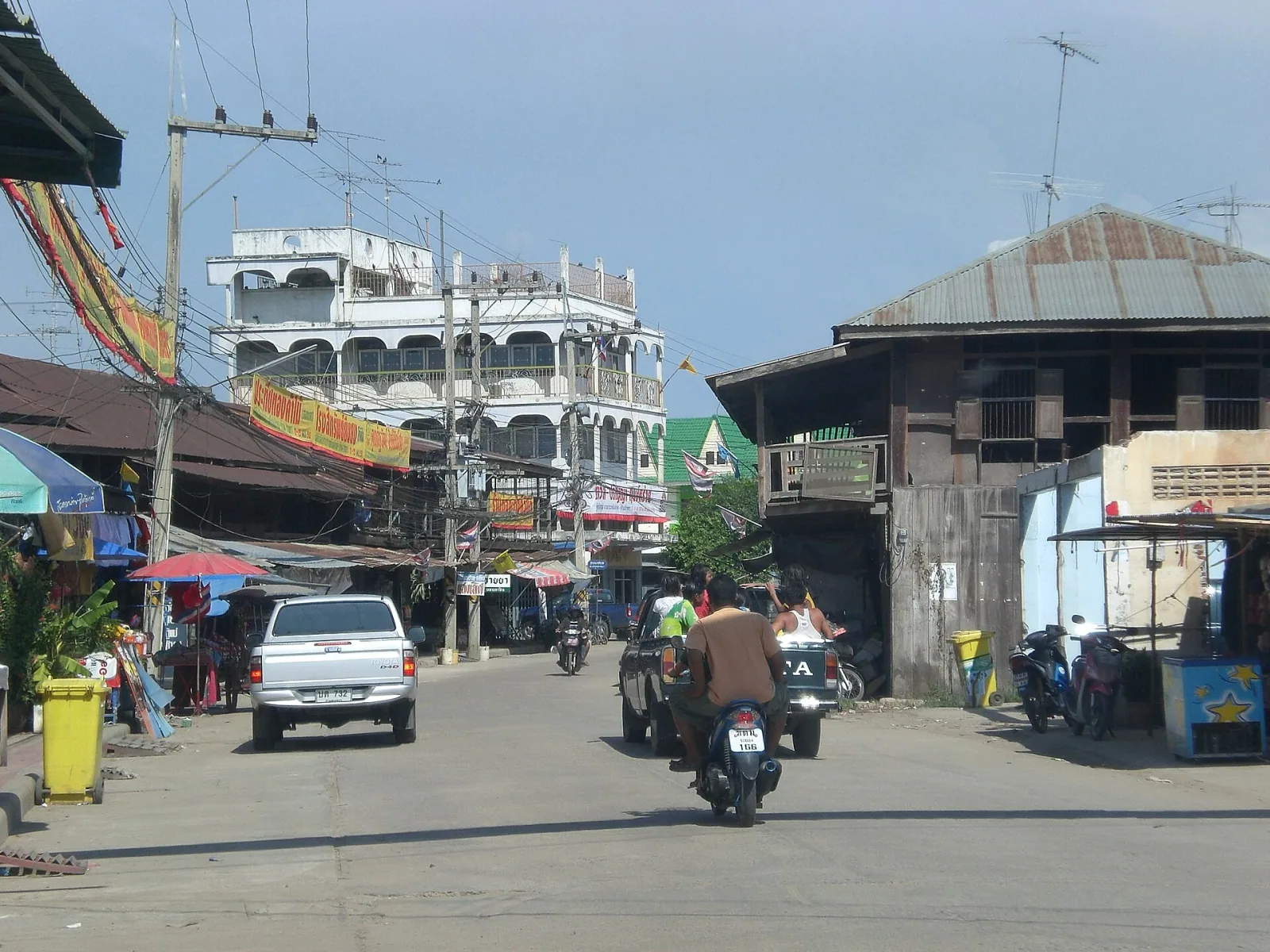
About 700,000 people live across the province's 8,512 square kilometres, most engaged in agriculture—rice farming, fruit cultivation (those famous kluay khai bananas), and vegetable production. The provincial capital, Kamphaeng Phet City, operates as a working Thai town where the rhythms remain dictated by harvest seasons and Buddhist calendar rather than tourist seasons. Yes, there's a Historical Park drawing domestic tourists and the occasional foreign visitor. But mass tourism never arrived. Infrastructure stayed basic. English remained optional. The province evolved into something increasingly rare: a place where historical preservation and authentic Thai life coexist without being commodified for foreign consumption.
"Kamphaeng Phet offers what Thailand looked like before tourism industrialized it—ancient temples, pristine nature, genuine local life, all at prices that feel like time travel."
The Kamphaeng Phet Historical Park forms part of the UNESCO World Heritage listing "Historic Town of Sukhothai and Associated Historic Towns"—essentially sharing Sukhothai's prestigious designation while receiving maybe 5% of its visitors. This disparity creates one of Thailand's best archaeological experiences. Entry costs 150 baht for both main zones (the walled city and Arunyik forest temples), compared to Sukhothai's 100-baht-per-zone pricing. Yet here you'll explore largely alone, able to sit quietly with 600-year-old Buddha images without fifty other people jockeying for Instagram angles.
The walled city zone contains the heavy hitters. Wat Phra Kaeo's massive laterite chedi dominates the landscape—think smaller version of Sukhothai's iconic lotus-bud stupas but with weathered character that somehow feels more authentic. Wat Phra That's towering prang serves as the spiritual center, visible across the plains, a landmark that guided travelers for centuries. The Buddha images here exemplify classical Sukhothai style: graceful proportions, serene expressions, that distinctive flame finial on the head. Art historians get misty-eyed describing the sculptural achievement. But you don't need expertise to feel the power—just sit with these images in morning light and you understand why people built kingdoms around such ideals.
The Arunyik zone—"forest monastery" in Pali—sits a few kilometers north, accessible by bicycle along quiet roads. Here, temples nestle among mature trees creating the meditative atmosphere intended by their monk inhabitants. Wat Chang Rop features elephants carved as buttresses around its main chedi, their laterite forms remarkably preserved despite 700 years of monsoons. Walking these forest paths, you grasp how Buddhism and nature intertwined in Thai consciousness—temples weren't meant to dominate landscapes but harmonize with them. The forest setting also provides practical benefits: shade in brutal heat, bird songs instead of traffic noise, and that profound quiet modern life rarely offers.
Rent a bicycle. The park sprawls across several square kilometers with temples spaced hundreds of meters apart. Walking in tropical heat becomes exhausting quickly. Bikes rent for 30-50 baht at the entrance—best 50 baht you'll spend. The flat terrain and paved paths make cycling effortless.
Start early, finish early. The park itself opens around 6am — get in at dawn for cool air and golden light, before the visitor centre even opens at 8:30. By 11am, heat becomes punishing. The strategy: temples at dawn through noon, lunch and siesta, then visit the Kamphaeng Phet Regional Museum (air-conditioned) to understand what you just saw.
Hire a guide or do serious reading beforehand. Unlike Sukhothai's excellent signage, Kamphaeng Phet offers minimal English information. Guides cost 300-500 baht for half-day tours and transform ruins from pretty stones into stories about kingdoms, art movements, and religious evolution. Worth every baht.
If Kamphaeng Phet's temples don't hook you, the nature will. Two national parks—Khlong Lan and Mae Wong—protect pristine mountain forest within 65-90 kilometres of the provincial capital. This isn't manicured nature-park prettiness; these are genuine wilderness areas with limited infrastructure, challenging trails, and wildlife that includes elephants, tigers, bears, and over 300 bird species. For hikers and nature enthusiasts tired of Thailand's developed tourist paths, Kamphaeng Phet offers something increasingly rare: places where you can still get properly lost.
Khlong Lan National Park, ~65 kilometres southwest, centres on its namesake waterfall—a spectacular ~100-metre cascade that flows year-round, becoming thunderous during rainy season. The main trail leads through virgin forest where morning hikes might spot gibbons swinging through canopy or hornbills calling from treetops. The park's highest peak rises to 1,439 metres, and the upland sections are noticeably cooler than lowland Kamphaeng Phet. During December-January, nighttime temperatures can drop to 10-15°C—bring layers. Camping facilities cost 100-200 baht per tent, or basic bungalows run 600-1,500 baht. The experience rivals more famous northern parks without the crowds or higher prices.
Mae Wong National Park, ~90 kilometres southwest in Pang Sila Thong district toward the Myanmar-facing Dawna Range, ups the adventure quotient. This 894-square-kilometer wilderness remains genuinely remote—4WD required for access, trails poorly marked, facilities minimal. The reward is pristine jungle largely untouched by development. Rangers lead guided treks (800-2,000 baht depending on length) through areas where elephant droppings and tiger tracks remind you this is their territory, not yours. Mae Wong and Mae Klong waterfalls become spectacular during and after rainy season (July-November), though accessing them requires serious hiking fitness and preparation. This isn't casual nature tourism—it's borderline expedition travel, appealing to outdoor enthusiasts who've exhausted easier options.
Here's where Kamphaeng Phet becomes genuinely remarkable for budget-conscious travelers and remote workers. The monthly cost of comfortable living runs around 20,000 baht—about $600 USD. That's not backpacker surviving-on-street-food poverty living. That's one-bedroom apartment, utilities, home internet, scooter, decent food including occasional meals out, and money for activities. Try matching that budget in Chiang Mai or Phuket. You can't, not even close.
The numbers: one-bedroom apartments in city center run 4,000-8,000 baht monthly—furnished, with air-con, WiFi, and hot water. Utilities average 1,500 baht (electricity cheaper than beach provinces where AC runs constantly). Fiber internet costs 600-800 baht for speeds sufficient for video calls and streaming. Food spending depends on cooking versus eating out, but even restaurant-heavy diets stay under 10,000 baht monthly when meals cost 30-70 baht at local places. Scooter rental runs 200-300 baht daily or 2,500-4,000 baht monthly. Add miscellaneous expenses and you're comfortably under 25,000 baht total.
What that budget doesn't include: international schools, sophisticated medical care, extensive nightlife, Western grocery selections, or English-speaking everything. Kamphaeng Phet offers basic infrastructure adequate for modest lifestyles, not luxury amenities. The hospital handles routine medical needs; serious conditions require the ~115-kilometre trip to Phitsanulok. The night bazaar provides dining and entertainment, but if you need craft cocktail bars or international cuisine, you're out of luck. English remains rare outside guest houses. This combination—genuinely low cost but genuinely basic infrastructure—creates natural selection. The foreigners who thrive here tend to be independent, adaptable, comfortable with authentic local immersion rather than expat bubble comfort.
→ Apartment (1-bedroom, city center): 5,500 THB
→ Utilities (electric, water, internet): 1,500 THB
→ Food (mix of home cooking and eating out): 7,500 THB
→ Scooter rental: 1,500 THB
→ Entertainment and activities: 3,000 THB
→ Miscellaneous: 1,000 THB
→ TOTAL: 20,000 THB (~$565 USD)
Ultra-budget living possible at 15,000 THB with local lifestyle. Comfortable expat living (more eating out, activities) runs 25,000-30,000 THB. Still remarkably affordable compared to tourist destinations.
Kamphaeng Phet attracts a trickle of remote workers—people who discovered that productive work doesn't require coworking spaces with $8 flat whites and networking events. The internet infrastructure exists: fiber connections from True and AIS deliver speeds adequate for video calls and cloud work. Several cafes offer work-friendly environments with decent coffee and air conditioning. Most rental apartments include WiFi that functions reliably, if not blazingly fast. What you won't find is community infrastructure specifically for nomads—no weekly meetups, no Slack channels with hundreds of members, no ecosystem of services catering to digital workers.
This appeals to certain personality types and frustrates others. If you're introverted, self-directed, comfortable working in genuine isolation, and prioritize ultra-low costs over built-in social structures, Kamphaeng Phet might be perfect. You'll have deep focus time, minimal distractions, rock-bottom living expenses leaving more runway for building businesses or savings. If you're extroverted, need structured community, or get productivity from coworking environments, this probably isn't your spot. The nearest established digital nomad hub is Chiang Mai, three hours north—a world away culturally.
The foreigners who end up staying long-term tend toward a pattern: conservation workers at nearby elephant sanctuaries, retirees seeking maximum value on fixed incomes, writers and artists drawn to quiet environments, and independent remote workers who've intentionally chosen life outside tourist circuits. The tiny expat community connects mainly through Facebook groups and occasional gatherings at the handful of foreigner-friendly restaurants. It's loose, informal, requiring social initiative rather than plug-and-play community. That DIY aspect either feels liberating or lonely, depending entirely on personality.
Kamphaeng Phet experiences Thailand's classic three-season pattern, but the northern location creates more dramatic cool season than central or southern provinces. November through February delivers the payoff—comfortable daytime temperatures (20-28°C), cool evenings that actually require long sleeves, and crystal-clear skies perfect for temple exploration and hiking. December and January occasionally see morning temperatures drop to 15-18°C, feeling genuinely cold by Thai standards. This is prime time for visiting, when outdoor activities stay pleasant all day and the province shows its best face.
March through May brings Thailand's infamous hot season with a vengeance. Temperatures climb to 35-38°C regularly, with April consistently brutal. The heat isn't merely uncomfortable—it's dangerous if you're unprepared. Temple visits require early morning starts (before 9am) or late afternoon returns (after 4pm). Midday belongs to air-conditioned restaurants, museum visits, or siesta. The Songkran water festival in mid-April provides blessed relief alongside cultural spectacle, when the entire country engages in sanctioned water warfare. Rivers and hot springs become particularly attractive during hot season.
June through October sees the monsoon, though in Kamphaeng Phet it's less dramatic than southern coastal provinces. Expect afternoon thunderstorms most days—dramatic, sometimes intense, but typically clearing after 1-2 hours. Mornings often stay sunny, making outdoor activities possible if you plan around weather. The jungle turns lush and intensely green. Waterfalls run at maximum flow, transforming from trickling to thundering. Temperatures moderate to 26-32°C, more comfortable than hot season despite humidity. Tourist numbers drop, accommodation prices fall, and the province returns fully to local rhythms. For flexible travelers and residents, rainy season becomes surprisingly livable.
Reaching Kamphaeng Phet requires intention—it's not a place you pass through accidentally. Buses from Bangkok's Mo Chit Northern Terminal run regularly (5-6 hours, 250-400 baht depending on bus class). The journey follows Highway 1 north through central plains, then Highway 101 west. VIP buses offer comfort similar to budget airlines without security hassle or baggage fees. Most travelers choose this option. Driving yourself takes 4-5 hours covering 360 kilometers on well-maintained roads—worthwhile if you're planning extensive regional exploration or visiting national parks.
No direct train or air service exists. The nearest train station sits in Phitsanulok, ~115 kilometres east—an option if you enjoy train travel and don't mind the connection (long-distance services now depart Bangkok's Krung Thep Aphiwat Central Terminal, not Hua Lamphong). Phitsanulok also has a small airport (PHS) with daily Bangkok flights on Nok Air, Thai AirAsia and Thai Lion Air, though most visitors find buses more convenient and cheaper. Once in Kamphaeng Phet, transportation follows small-town patterns. Songthaews (shared pickup trucks) run fixed routes for 10-20 baht but require local knowledge to navigate. Bicycles work perfectly for Historical Park visits (rental 30-50 baht daily). Scooters provide maximum flexibility for exploring further afield—essential for national park trips.
The compact city center makes walking viable for daily errands. Markets, restaurants, shops, and services cluster within a few square kilometers. Unlike sprawling provincial capitals, Kamphaeng Phet maintains human scale—you can walk across the commercial district in 20 minutes. This walkability, combined with minimal traffic and pollution compared to bigger cities, creates surprisingly pleasant urban environment. It's not cosmopolitan or exciting, but it's livable and navigable without requiring vehicles for every errand.
Combine with Sukhothai. The two historical parks sit 75 kilometers apart, easily done as a two-day circuit. Visit Sukhothai first (better known, more developed, easier logistics), then Kamphaeng Phet for the peaceful follow-up. The comparison helps you appreciate both.
Book national park accommodation ahead. Bungalows at Khlong Lan and Mae Wong have limited capacity. Weekends and Thai holidays fill quickly with domestic visitors. Camping offers backup option but requires equipment.
Download offline maps. Mobile signal weakens significantly in national parks and rural areas. Google Maps offline mode or apps like Maps.me become essential. GPS works without signal, but you need downloaded map data.
Kamphaeng Phet's food scene reflects its agricultural roots and northern Thai influences. The province is famous for kluay khai—baby bananas considered Thailand's finest, sweeter and more flavorful than standard varieties. Markets sell them for 20-40 baht per kilogram, and locals insist these are the world's best bananas. Try them and you might agree—they're certainly nothing like the waxy supermarket bananas back home. Fresh river fish from the Ping River dominates local menus: grilled, in curries, with herbs, served at riverside restaurants where meals cost 80-200 baht with water views.
The night bazaar, operating daily from around 5pm with peak activity 6-9pm, provides the main evening social scene and dining destination. Dozens of food stalls serve Northern Thai and Isan cuisine—grilled meats, som tam (papaya salad), various noodle dishes, sausages, and desserts. Everything costs 25-60 baht per dish, making dinner under 100 baht easy. The atmosphere feels authentically Thai—locals outnumber tourists heavily, families dine together, kids run around between stalls. This is Thai social life, not performance for visitors. Several permanent restaurants operate from the covered market section, and morning markets (5am-11am) sell exceptional produce for home cooking.
What you won't find is extensive international cuisine, Western breakfast cafes, craft beer bars, or sophisticated dining. A few places cater to the trickle of foreign visitors with English menus and familiar dishes, but selection remains limited. For foodies requiring diverse international options or specialty diets beyond basic vegetarian, Kamphaeng Phet disappoints. But if you're comfortable with Thai food—or excited to dive deeper into Northern Thai specialties like kanom jeen (rice noodles with curries) and various regional sausages—the food scene offers excellent value and authentic flavors. The approach to Thai cuisine here remains less modified for tourist palates, meaning real spice levels and genuine flavors.
After watching various travelers and expats discover, love, and occasionally abandon Kamphaeng Phet, certain patterns emerge clearly. The province works brilliantly for history and archaeology enthusiasts who prioritize temple quality over tourist amenities. It suits nature lovers comfortable with genuine wilderness rather than groomed nature parks. It attracts budget-conscious travelers and residents seeking maximum value—the ability to live comfortably on truly modest budgets while maintaining dignity and quality of life. It appeals to introverts and independent types comfortable outside structured expat communities.
Kamphaeng Phet struggles for families needing international schools, retirees requiring sophisticated medical care, people whose happiness depends on Western amenities, and anyone seeking active nightlife or extensive dining variety. The province offers limited English-language support—manageable with patience and basic Thai, but requiring more effort than tourist-heavy areas. It's quiet, authentic, cheap, and basic. Those four qualities attract certain people intensely and repel others completely.
The sweet spot seems to be independent travelers and remote workers in their late 20s-50s, professionally established with location-independent income, prioritizing low living costs and cultural authenticity over convenience and community infrastructure. Conservation volunteers and researchers find fulfilling work at nearby wildlife projects. Retirees on fixed incomes discover their money stretches remarkably far while maintaining comfortable lifestyles. Writers, artists, and creative professionals drawn to quiet environments for focused work find ideal conditions. The common thread is independence—people comfortable creating their own structure rather than plugging into existing frameworks.
Kamphaeng Phet isn't trying to be anything other than what it is: a working Thai province that happens to have spectacular historical sites and nature, available at prices that barely register for foreign budgets. It's not curated for tourists, not designed for expats, not engineered for convenience. That lack of modification creates both its appeal and its challenges. You experience real Thailand, with all that implies—the warmth and the language barriers, the incredible food and the limited variety, the stunning temples and the basic infrastructure. For travelers seeking authenticity over comfort, depth over breadth, and value over convenience, Kamphaeng Phet delivers precisely what they didn't know they needed. For everyone else, there's always Chiang Mai.
Capital
Kamphaeng Phet City
Population
~700,000
Area
8,512 km²
From Bangkok
360 km (4-5 hours)
Emergency
191 (Police), 1669 (Medical)
Quick Take
UNESCO-level temples without crowds, pristine national parks, genuine Thai life, and Thailand's most affordable living. Perfect for history lovers and budget seekers off the tourist trail.
Best For
History enthusiasts, nature hikers, budget travelers, conservation volunteers, remote workers seeking ultra-low costs, photographers, temple explorers
Cool Season
Nov-Feb · 15-28°C, perfect for temples and hiking
Hot Season
Mar-May · 30-38°C, early morning activities only
Rainy Season
Jun-Oct · Afternoon storms, lush landscapes, fewer tourists
→ Historical Park (UNESCO Site)
→ Khlong Lan National Park
→ Mae Wong Wilderness
→ Wat Phra Borommathat
→ Night Bazaar
→ Traditional Village Crafts
By Bus
Bangkok Mo Chit · 5-6hrs · 250-400 THB
By Car
Highway 1 & 101 · 360km · 4-5hrs
Nearest Airport
Phitsanulok PHS (~115km east) · Daily Bangkok flights