Provinces
🏝️Trat Province
Koh Chang islands, pristine diving, and Thailand's undiscovered east coast
Koh Chang islands, pristine diving, and Thailand's undiscovered east coast
The ferry rounds Koh Chang's southern tip and suddenly Bang Bao village appears—wooden houses built on stilts over turquoise water, fishing boats tied to rickety docks, a single restaurant pier stretching into the bay. Behind the village, the jungle ridges of Koh Chang's mountainous spine rise sharply inland, climbing toward the island's 744-metre summit at Khao Salak Phet, their peaks disappearing into afternoon clouds. The water shifts from turquoise to deep blue as the seafloor drops away. A school of silver fish breaks the surface. This is Trat Province—Thailand's eastern island paradise that somehow missed the mass tourism explosion that transformed Phuket and Koh Samui into international resorts. For how much longer remains unclear.
Trat Province occupies Thailand's southeastern corner, about 315 kilometers from Bangkok along the Cambodian border. About 230,000 people call Trat home, split between the small provincial capital of Trat town and dozens of islands scattered across the Gulf of Thailand. The province's crown jewel is Koh Chang—"Elephant Island" in Thai—Thailand's third-largest island after Phuket and Koh Samui. But where Phuket surrendered to international tourism decades ago, Koh Chang maintained surprisingly authentic Thai character despite growing popularity. And the province's other islands—Koh Kood, Koh Mak, smaller islets—remain even less developed, appealing to travelers who remember what Thai islands felt like before tourism industrialized them.
What makes Trat remarkable is the diversity compressed into relatively small geography. Koh Chang offers the full spectrum: pristine beaches, multiple waterfalls tumbling through jungle, excellent diving and snorkeling sites, challenging jungle hikes, and enough infrastructure to stay comfortable without feeling commercialized. Koh Kood pushes further into remote beauty—longer, more expensive ferry rides filtering out casual tourists and leaving genuine paradise for those willing to make the effort. Koh Mak splits the difference: peaceful, cyclable, maintaining island village atmosphere while offering decent accommodation and food. The mainland contributes historical Trat town, fruit orchards, mangrove forests, and the Cambodia border crossing at Hat Lek. Together, they create Thailand's most varied island province.
"Trat offers what Phuket promised thirty years ago: pristine islands, authentic fishing villages, world-class diving, and Thai culture that exists for locals first, tourists second."
Koh Chang dominates Trat's tourism, and for good reason. At 217 square kilometers, it's genuinely substantial—not a tiny sandbar but a mountainous island large enough to require scooters for exploring. The interior remains largely impenetrable jungle, home to hornbills, macaques, monitor lizards, and occasionally wild elephants (though seeing them requires serious trekking luck). Most development clusters along the western coast, leaving eastern shores wild and accessible mainly by boat or 4WD. This natural constraint prevented the complete development that overwhelmed smaller islands.
The beaches each have distinct personalities. White Sand Beach (Hat Sai Khao) serves as tourist central—most developed, most restaurants and bars, most infrastructure. It's still relatively tame compared to Patong or Chaweng, but this is where you'll find English menus, fire dancing, and crowds during high season. Klong Prao Beach offers middle ground: good infrastructure but more spread out and peaceful. Lonely Beach (Hat Tha Nam) attracted backpackers for years with cheap bungalows and party atmosphere, though gentrification creeps in. Kai Bae Beach suits families with calm waters and mid-range resorts. Bang Bao in the south transforms into Koh Chang's most photogenic spot—that fishing village on stilts serving as pier, restaurant row, and departure point for diving trips.
The island's interior offers non-beach attractions that separate it from pure beach-bumming destinations. Klong Plu Waterfall, the most accessible and famous, requires a 30-minute walk through jungle to reach a beautiful cascade and swimming hole (200 baht entry). Than Mayom Waterfall involves steeper climbing but rewards with multiple tiers and fewer visitors. Klong Neung Waterfall challenges serious hikers with rough trails and minimal infrastructure—the payoff is genuine solitude. The jungle trekking, combined with snorkeling trips to nearby islands and diving to shipwrecks and coral reefs, creates activity-focused vacation potential beyond lying on beaches. Though lying on beaches remains perfectly valid too.
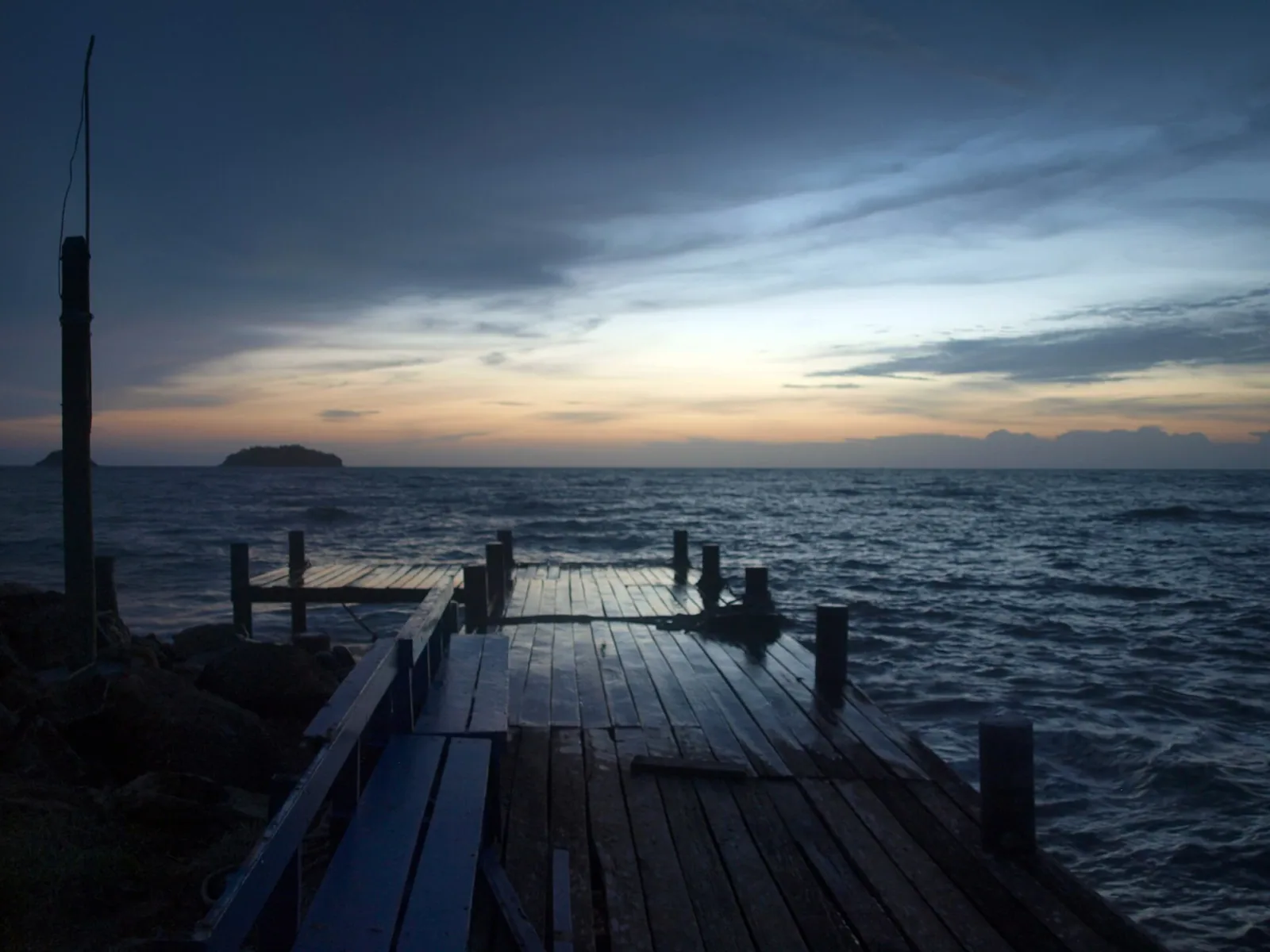
If Koh Chang feels too developed or busy, Trat offers quieter alternatives that feel closer to the Thailand of twenty years ago. Koh Kood (also spelled Ko Kut), roughly 25 kilometers southeast of Koh Chang, represents Trat's ultimate remote island experience. Getting there requires commitment—high-speed ferry takes 1.5-2 hours from the mainland (500-600 baht), or slower wooden boats at 3-4 hours (300-400 baht). This extra distance and time filters out casual daytrippers and package tourists, leaving an island that rewards the effort with spectacular beaches, multiple jungle waterfalls, and genuine village atmosphere.
Koh Kood has only a handful of ATMs (clustered around Khlong Chao and Khlong Hin Beach—plan to draw cash in town), limited phone signal, sporadic internet, and minimal nightlife beyond beachfront dinners and star-gazing. What it has is pristine white sand beaches, particularly along the west coast, where resorts remain small-scale and spaced far apart. Nam Tok Khlong Chao—a beautiful multi-tiered waterfall surrounded by jungle—becomes the island's signature inland attraction. Several smaller waterfalls dot the interior, accessible by scooter and short hikes. Fishing villages maintain traditional lifestyles largely unchanged by tourism. The entire vibe feels like island Thailand before Instagram, when getting off the grid meant actually disconnecting.
Koh Mak sits between Koh Chang and Koh Kood geographically and philosophically. Only 16 square kilometers, it's small enough to cycle around in a few hours—which visitors do, helped by a long-standing community agreement that keeps cars and tour buses off the island in favour of bikes, scooters and a handful of small pickups. The flat terrain makes cycling effortless, unlike hilly Koh Chang. Infrastructure exists but remains low-key: family-run bungalows, small resorts, simple restaurants serving excellent seafood. The community intact—locals still fish, farm, run shops for themselves not just tourists. Prices sit below Koh Chang but above mainland levels. It's the Goldilocks island: developed enough for comfort, undeveloped enough for peace, accessible enough to reach, remote enough to feel special.
Choose Koh Chang if you want: Multiple beaches, restaurants, nightlife options, easy access to activities (diving, trekking, waterfalls), developed infrastructure, and ability to change beaches/scenes easily. Best for first-time island visitors and those wanting convenience.
Choose Koh Kood if you want: Genuine remote island experience, pristine beaches with few people, disconnection from digital life, spectacular waterfalls, and don't mind paying premium prices for limited infrastructure. Best for experienced island travelers seeking serious solitude.
Choose Koh Mak if you want: Peaceful atmosphere without complete isolation, cyclable island scale, family-friendly environment, authentic village life, and middle-ground pricing. Best for couples, families, and travelers seeking balance between development and authenticity.
Trat's underwater world ranks among Thailand's best, though it receives far less international attention than Andaman Sea diving around Phuket and the Similan Islands. The Gulf of Thailand's eastern side offers clearer water than the western gulf, with visibility regularly hitting 10-20 meters during peak season (November-April) and occasionally better. Coral reefs surrounding the islands host diverse marine life—schools of tropical fish, rays, occasional turtles, reef sharks, and abundant macro life that underwater photographers obsess over.
Several dive sites have earned serious reputations. Hin Luk Bat features dramatic rock formations and strong currents that bring nutrients and larger fish. The HTMS Chang shipwreck—a deliberately sunk naval vessel—creates artificial reef now covered in coral and home to schools of fish. The dive shops based in Bang Bao offer trips ranging from two-tank morning dives (2,500-3,500 baht) to multi-day liveaboards exploring more remote sites. PADI Open Water certification courses run 12,000-15,000 baht—cheaper than comparable courses in Phuket or Samui. The diving community remains relatively small and friendly, without the industrial volume that transformed Koh Tao into PADI factory.
Snorkeling offers easier access to underwater beauty. Day trips to nearby islands like Koh Rang and Koh Wai cost 1,200-1,800 baht including lunch, equipment, and multiple snorkel stops. The coral reefs suffer less damage than more heavily visited areas, creating vibrant snorkeling comparable to diving in color and fish diversity if not depth. Several beaches offer decent snorkeling right from shore—Klong Prao Beach on Koh Chang and various spots around Koh Kood reward anyone with mask and fins. The Gulf's calmer waters make snorkeling more accessible than Andaman Sea locations with rougher conditions.
Trat's island life costs more than mainland Thailand but substantially less than international resort destinations. Monthly rent for simple bungalows or apartments on Koh Chang runs 8,000-15,000 baht depending on location and season—White Sand Beach commands premium, quieter areas cost less. Long-term rates (1-3 months) often include 20-30% discounts over nightly rates. Utilities add 1,000-2,000 baht monthly depending on air-con usage. Internet connections exist but reliability varies wildly by location. Fiber hasn't reached most islands; connections rely on 4G cellular networks or older DSL lines delivering 10-30 Mbps speeds when working properly.
Food spending varies dramatically based on cooking versus eating out. Local Thai meals cost 50-100 baht, seafood 150-300 baht depending on catch and preparation, tourist restaurant meals 200-400 baht. A fresh grilled fish with rice and vegetables at a village restaurant runs 120-200 baht—the same fish at a beachfront resort restaurant hits 350-500 baht. Markets sell produce, though selection remains limited and prices higher than Bangkok. Most residents eat out frequently given small kitchen facilities in typical accommodations. Budget 8,000-12,000 baht monthly for food with mix of local and occasional nice meals. Digital nomads typically spend more, gravitating toward cafes and nicer restaurants.
The remote work situation requires honest assessment. Internet reliability remains the primary challenge—connections adequate for emails and web browsing often struggle with video calls. Power outages occur occasionally, particularly during rainy season storms. The 4G mobile networks from AIS and True provide backup, but coverage weakens in remote areas. Several cafes on Koh Chang cater to laptop workers with decent WiFi and proper seating. But anyone whose work requires consistent video conferencing or large file transfers should test connectivity extensively before committing. Many remote workers adopt a split pattern: serious work weeks in Bangkok or Chiang Mai, Trat stays for lighter work and beach time.
→ Rent (simple bungalow/apartment): 12,000 THB
→ Utilities (electric, water, WiFi): 1,500 THB
→ Food (mix of local and restaurants): 9,000 THB
→ Scooter rental: 2,000 THB
→ Activities (diving, boat trips): 4,000 THB
→ Entertainment and miscellaneous: 3,000 THB
→ TOTAL: 31,500 THB (~$890 USD)
Budget island living: 20,000-25,000 THB. Comfortable lifestyle: 35,000-50,000 THB. Koh Kood runs 20-30% higher. Mainland Trat town offers cheapest option at 15,000-25,000 THB total.
Trat's calendar divides into two realities: glorious high season and challenging monsoon season. November through February delivers paradise—calm seas, clear skies, comfortable temperatures (25-30°C), perfect diving visibility, and every ferry running reliably. This is when Trat shows its best face, when the islands become magazine covers come to life. March and April extend the good weather but temperatures climb (32-35°C), particularly brutal in direct sun. The sea remains calm, activities accessible, though afternoon heat drives everyone toward water or air conditioning.
May through October brings the southwest monsoon—and with it, Trat's biggest challenge. Rough seas disrupt ferry schedules regularly. The half-hour Koh Chang crossing becomes genuinely unpleasant in 2-meter swells, occasionally getting canceled entirely when conditions worsen. Reaching Koh Kood in rough weather transforms into adventure; the speedboat pounds through waves for two hours while passengers hold on and pray. Rain falls heavily but typically in afternoon bursts rather than all-day downpours. Temperatures moderate (27-32°C), humidity soars, and the jungle turns impossibly lush. Tourist operations slow dramatically—some resorts close, dive shops reduce schedules, restaurants operate limited hours.
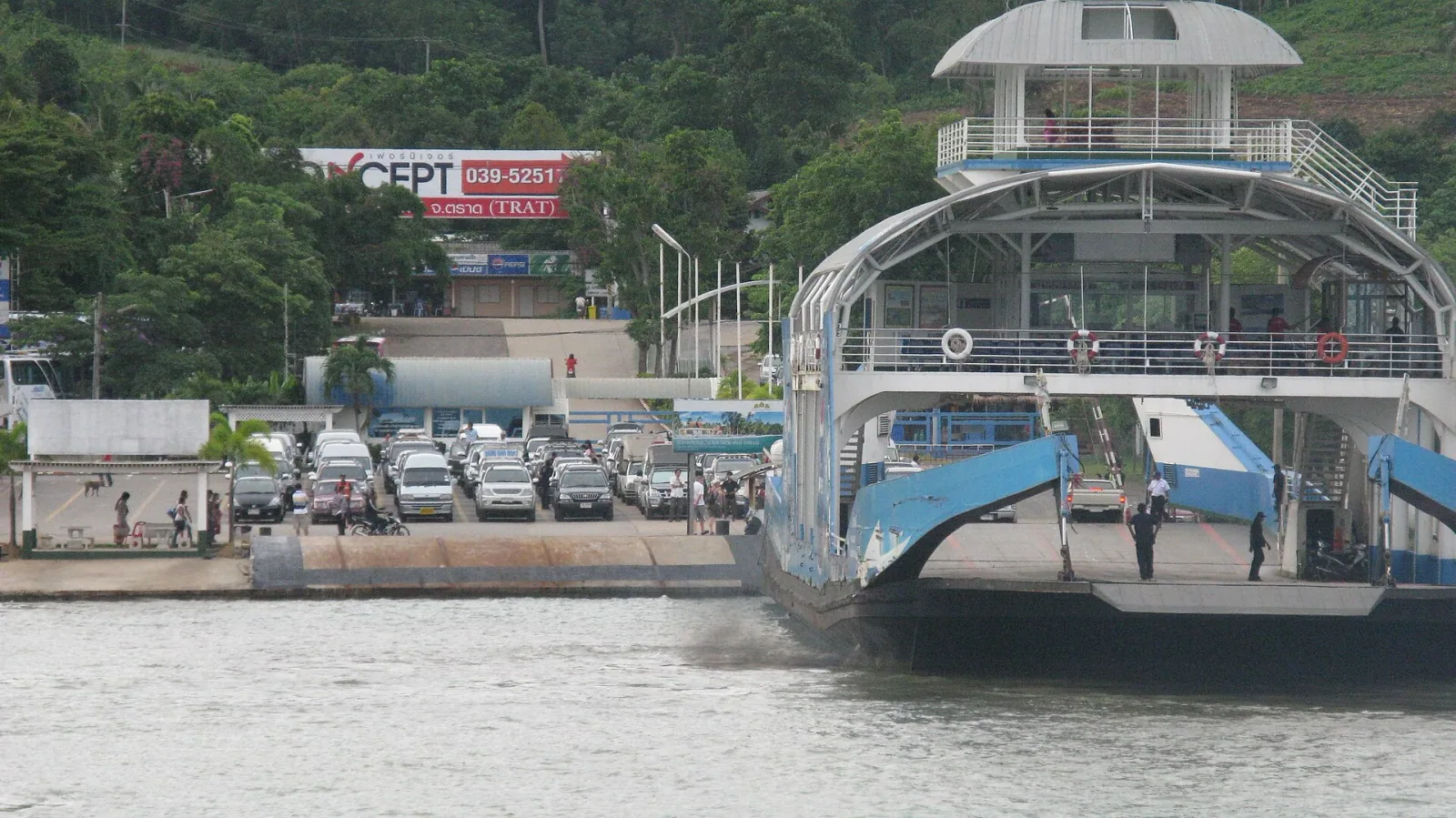
The ferry dependency creates Trat's most significant constraint. Unlike Krabi's Railay Beach where longtails run constantly, or Phuket with its airport and bridge, Trat's islands remain genuinely isolated. Ferries from the Laem Ngop area piers (mainly Centre Point and Ao Thammachat) to Koh Chang run frequently during high season (roughly hourly 7am-7pm, 80-120 baht per person, about 30 minutes on the Ao Thammachat–Ao Sapparot route). But schedules reduce in low season, and rough weather causes delays or cancellations without warning. Reaching Koh Kood requires planning—speedboats run 2-3 times daily during high season but reduce dramatically in monsoon. Miss your ferry and you might wait hours or overnight for the next departure. This isolation attracts some visitors and frustrates others, depending entirely on personality and schedule flexibility.
Reaching Trat from Bangkok requires either bus or private vehicle. Government buses depart Bangkok's Ekkamai Eastern Bus Terminal every 1-2 hours (150-220 baht, 5-6 hours including the Chanthaburi stop). VIP buses with bigger seats and air-con cost 250-300 baht. Minivans run faster (4-5 hours, 250 baht) but pack passengers in uncomfortably. Many visitors book combination tickets including bus from Bangkok directly to ferry pier, ferry to island, and even accommodation—convenient but often overpriced. Buying separately usually saves 20-30%.
Driving yourself takes about 4-5 hours covering ~315 kilometers via Highway 3—the Bang Na-Trat Highway that runs down Thailand's eastern seaboard. The road stays well-maintained with multiple rest stops. Car rental in Bangkok runs 800-1,500 baht daily depending on vehicle; bringing your own car makes sense if staying several weeks and planning to explore multiple islands and mainland areas. Secure parking exists at ferry piers (50-100 baht per day). Bangkok Airways operates daily flights from Suvarnabhumi to Trat Airport (TDX) near Laem Ngop, the most convenient way in if you're short on time.
Island transportation relies on scooters almost universally. Rentals on Koh Chang cost 200-300 baht daily or 3,000-5,000 baht monthly. Songthaews (converted pickup trucks) run the main coastal road charging 50-100 baht per trip depending on distance—reliable but less flexible than own transport. Koh Chang's roads are paved but steep and winding over the island's mountainous spine; heavy rain makes them genuinely dangerous. Koh Mak's flat terrain and short distances make bicycles perfect (50-100 baht daily). Koh Kood requires scooters for waterfall visits; some resorts provide them free or cheap. Taxis exist on Koh Chang but charge premium (200-400 baht for short trips). The expat saying: "Rent a scooter or stay on your beach."
Book ferries flexibly. Weather disrupts schedules regularly during monsoon season. Leave buffer days around mainland commitments. Same-day connections (Bangkok bus → ferry → island) work during high season but risk disasters in low season.
Bring cash. ATMs exist on Koh Chang but charge steep fees (220-250 baht per withdrawal). Koh Kood has no ATMs. Koh Mak has limited ATM access. Many small businesses operate cash-only. Budget 10,000-20,000 baht cash for a week.
Healthcare is basic. Small clinics handle minor issues. Serious problems require evacuation to Bangkok (helicopter in emergencies). Travel insurance with evacuation coverage essential for island stays.
Trat's foreign resident community remains small and seasonal compared to established expat destinations. Koh Chang hosts an estimated 1,000-2,000 foreigners during high season—mostly dive instructors, restaurant and bar owners, guesthouse operators, and people who came for two weeks and stayed two years. The community shrinks dramatically during monsoon season when many return to home countries or migrate to other Thai destinations. This transient nature creates friendly but less structured community than places like Chiang Mai where expats build permanent lives.
The foreign residents skew younger—late 20s through 40s—drawn by diving work, tourism employment, or remote work with strong beach addiction. Retirees exist but in smaller numbers than Hua Hin or Chiang Mai, deterred by limited medical care and isolation. The social scene centers on beach bars and dive shops rather than formal organizations. Facebook groups like "Koh Chang Expats" provide information and connection. English is spoken reasonably well in tourist areas, significantly less so in local villages and on smaller islands. Thai language skills dramatically improve quality of life.
Living long-term on Trat's islands requires accepting limitations. Medical care remains basic—clinics handle minor ailments but anything serious requires mainland hospitals or Bangkok evacuation. International schools don't exist; Thai government schools are the only option for families. Shopping means limited selection at higher prices than mainland. Western comfort foods arrive sporadically. Entertainment centers on nature, water activities, and socializing rather than cultural events or nightlife variety. These constraints create natural selection—the people who thrive long-term tend toward independent, adaptable, comfortable with genuine isolation and willing to embrace island rhythms rather than fighting them.
After watching countless travelers discover, fall in love with, or abandon Trat's islands, patterns emerge clearly. The province works brilliantly for divers and water activity enthusiasts who prioritize marine beauty over land-based attractions. It suits people seeking island atmosphere with more authenticity and less commercialization than Phuket or Samui. It attracts independent travelers comfortable with ferry logistics, variable infrastructure, and the adventure that comes with less-developed destinations. It appeals to beach lovers who want multiple island options within single province.
Trat struggles for travelers requiring consistent infrastructure, reliable schedules, extensive English-language support, or sophisticated amenities. It disappoints anyone seeking intense nightlife—the party scene exists on Koh Chang but remains modest compared to Phuket's Patong Beach or Bangkok's Khao San Road. It frustrates remote workers whose jobs demand bulletproof internet—connectivity exists but remains the islands' Achilles heel. It challenges families with young children given medical limitations and lack of international schools. The province offers limited accessibility considerations—steep terrain, rough trails, and boat transfers make it difficult for anyone with mobility constraints.
The sweet spot seems to be adventurous travelers and remote workers in their late 20s-50s, physically active, comfortable with island living trade-offs, and prioritizing natural beauty over convenience. Divers find endless underwater exploration. Beach enthusiasts discover multiple moods across different islands. Retirees seeking active rather than sedentary retirement appreciate the activities. The common thread is flexibility—people comfortable adjusting plans for weather, accepting infrastructure limitations, and embracing island life as adventure rather than expecting resort convenience. Trat offers what Thailand's islands used to be: beautiful, authentic, accessible but not easy, rewarding those willing to engage with place rather than have it engineered for their comfort. As development continues and more tourists discover these eastern islands, that window slowly closes. The time to visit is now, before Trat becomes the next Samui.
Capital
Trat City
Population
~230,000
Area
2,819 km²
From Bangkok
~315 km (4-5 hours)
Emergency
191 (Police), 1669 (Medical)
Quick Take
Thailand's eastern island paradise featuring Koh Chang, pristine beaches, world-class diving, and authentic island culture. More genuine than Phuket, more accessible than remote Andaman islands, perfect for active beach lovers.
Best For
Divers, snorkelers, beach lovers, island hoppers, adventure travelers, water sports enthusiasts, nature photographers, seafood lovers
High Season
Nov-Feb · Calm seas, perfect diving, peak tourism
Shoulder
Mar-Apr, Sep-Oct · Hot but manageable, fewer crowds
Monsoon
May-Aug · Rough seas, ferry disruptions, not recommended
→ Koh Chang (largest, most developed)
→ Koh Kood (remote, pristine)
→ Koh Mak (peaceful, cyclable)
→ Koh Wai (tiny, basic)
→ Koh Rang (snorkeling, day trips)
By Bus
Bangkok Ekkamai · 5-6hrs · 150-300 THB
By Car
Highway 3 · ~315km · 4-5hrs
By Air
Bangkok Airways · Suvarnabhumi → Trat (TDX) · ~1hr
By Ferry
Mainland to Koh Chang · ~30min · 80-120 THB
→ Scuba diving & snorkeling
→ Island hopping
→ Waterfall hiking
→ Kayaking through mangroves
→ Beach hopping
→ Fishing village tours