Provinces
🚀Yasothon
Isan's authentic heartland
Isan's authentic heartland
Every May, something extraordinary happens in Yasothon. Enormous bamboo rockets—some weighing hundreds of kilograms, decorated with intricate carvings and bright paint—launch skyward with explosive force, trailing smoke across the blue Isan sky. This is Bun Bang Fai, the rocket festival that has defined Yasothon's identity for generations, transforming this quiet provincial capital into the center of one of Thailand's wildest and most authentic cultural celebrations. But the rockets are just the visible part. What makes Yasothon remarkable is what remains after the tourists leave and the smoke clears—a province where traditional Isan life continues largely unchanged, where you can live comfortably on 15,000 THB monthly, and where being a foreigner still provokes genuine curiosity rather than merchant calculations.
Yasothon sits on the central Isan plain in northeastern Thailand, ringed by Roi Et to the west, Mukdahan to the north, Amnat Charoen to the east, Ubon Ratchathani to the south and Sisaket to the south-west. The Chi River runs through the province; the Mekong and the Lao border are about 110 km away in Mukdahan, not in Yasothon itself. This is deep Isan territory—rice fields stretching to the horizon, Buddhism woven into daily life, cuisine that favours sticky rice and fierce chilli heat, and a dialect closer to Lao than central Thai. Unlike Chiang Mai or Bangkok, Yasothon receives almost no Western tourists outside festival season. There are no hostels advertising pub crawls, no cooking classes designed for Instagram, no yoga retreats or digital-nomad co-working spaces. What exists instead is genuine Thai provincial life—the kind that's increasingly rare as tourism reshapes more accessible destinations.
I discovered Yasothon somewhat by accident, arriving three days before the rocket festival because all accommodation in nearby provinces was booked. What I expected to be a boring wait before the main event became something else entirely—a realization that Yasothon's authenticity, affordability, and cultural depth made it interesting regardless of the annual spectacle. I've returned multiple times since, always surprised that more expats haven't discovered this province where your monthly rent costs less than a weekend in Bangkok and where locals still seem genuinely delighted when foreigners show interest in their way of life.
"Yasothon's authenticity, affordability, and cultural depth make it compelling year-round—your monthly rent costs less than a weekend in Bangkok, and locals still seem genuinely delighted when foreigners show interest."
Bun Bang Fai is held on the second weekend of May each year, timed to a Lao-Buddhist rain-petitioning tradition meant to coax the rains for rice planting. What began centuries ago as a village ceremony has evolved into a multi-day celebration of Isan culture, with launch competitions, parades and street parties spread across Yasothon town. The rockets are real and so is the gunpowder—organisers run a clear launch range and incidents do occasionally happen—but this isn't sanitised cultural tourism. It's a community celebration that happens to allow outsiders to observe.
The rockets themselves are engineering marvels built by village teams competing for prestige and prizes. Constructing a rocket that can reach hundreds of meters requires specialized knowledge passed through generations—the right bamboo selection, precise gunpowder mixtures, aerodynamic designs carved and painted with traditional motifs. Teams spend months preparing, investing significant money and labor, treating the competition with the seriousness other cultures reserve for major sporting events. When a rocket launches successfully, the crowd erupts. When one explodes on the pad or veers sideways into the rice fields, everyone laughs and shrugs—mai pen rai, that's how it goes.
But the rockets are only part of the festival. Parades wind through town featuring dancers in traditional costumes, musicians playing mor lam and pong lang folk music, comedy troupes performing bawdy skits that fly completely over non-Thai-speakers' heads but leave locals doubled over laughing. Drink flows freely—home-distilled lao khao rice whiskey and commercial beer sold from roadside tents. By the festival's second day, Yasothon becomes a province-wide party where social boundaries temporarily dissolve and strangers become fast friends through the universal language of shared intoxication and cultural celebration.
For the other 362 days of the year, Yasothon returns to its provincial rhythms. The town itself is small—around 20,000–25,000 people in the urban core—spread along a handful of main roads with the provincial government offices, hospital, schools and central market clustered near the centre. The town's signature landmark is Phaya Thaen Public Park, the riverside green that serves as the Bun Bang Fai launch site every May. Wake early enough and you'll catch the morning market in full operation—vendors selling vegetables still wet from washing, freshwater fish from the Chi River and its tributaries, and prepared foods for workers grabbing breakfast on their way to jobs. By 8am the market quiets, by 9am it's largely packed up, and by 10am you'd barely know it existed.
The heat builds through mid-morning and peaks in early afternoon, driving everyone indoors or to shaded spots. This is siesta time, though nobody calls it that—shops close, streets empty, and life pauses until temperatures become bearable again around 4pm. Evenings bring renewed activity. The night market sets up with food stalls serving som tam, grilled chicken, noodle soups, and Isan specialties for 30-50 THB per meal. Families emerge for walks. Teenagers congregate at the handful of coffee shops trying to approximate Bangkok coolness with limited resources but genuine enthusiasm.
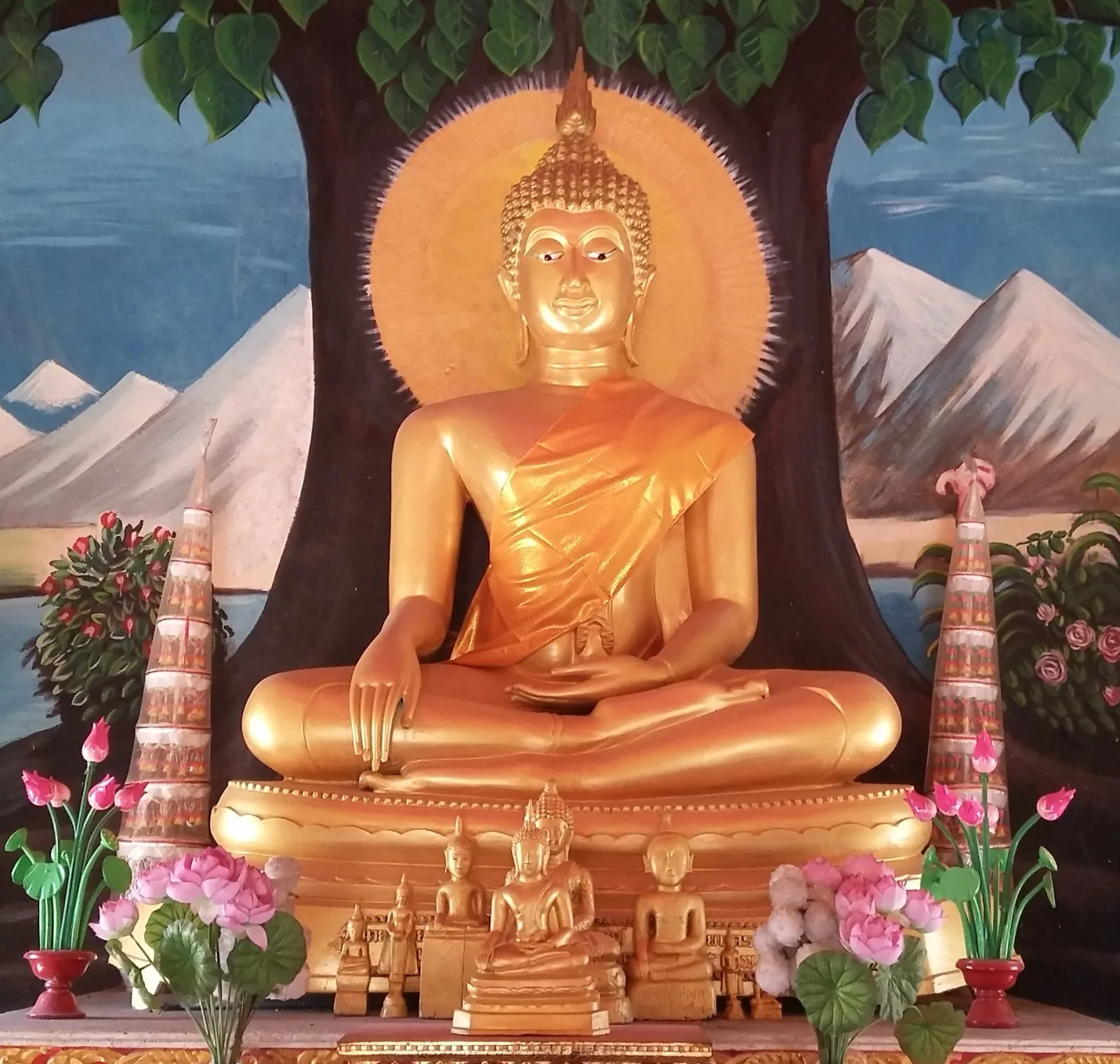
Entertainment options are limited by Western standards—no cinemas, no bars catering to foreign tastes, no live music venues beyond occasional temple fairs and local celebrations. But there's beauty in this simplicity. Evenings become about conversation, walking, eating street food slowly while watching provincial life unfold. The Chi River and Phaya Thaen park offer sunset views and cool breezes. Wat Mahathat in the town centre—housing Phra That Phra Anon, the slender brick chedi traditionally said to enshrine a relic of the Buddha's disciple Ananda—provides a peaceful space for contemplation or people-watching during ceremonies. The pace forces you to slow down, to find contentment in simple pleasures rather than constantly seeking the next stimulation.
Accommodation: Studios 3,000-6,000 THB monthly, one-bedrooms 4,000-8,000 THB. City center offers convenience; riverside areas provide scenic calm. Most rentals found through local agents or word-of-mouth rather than online listings.
Getting around: Rent a motorcycle (1,500-2,500 THB/month) for maximum freedom. Songthaews cover main routes for 20-40 THB. City center is walkable for daily needs. Bicycle works well given flat terrain.
Language reality: English is rarely spoken outside schools. Basic Thai is essential for daily life. This immersion accelerates language learning if you're open to it, but can be frustrating if you're not. Consider our Thai language learning resources before committing to Yasothon.
When people discuss "cheap Thailand," they're often still talking about 20,000-30,000 THB monthly budgets in places like Chiang Mai or the smaller beach towns. Yasothon operates on a different scale entirely. I met a retired American living comfortably on 12,000 THB monthly—rent 3,500 THB for a basic studio, food maybe 4,000 THB eating mostly street food and market cooking, utilities 500 THB, motorcycle 150 THB in fuel, and the rest covering miscellaneous expenses. This isn't backpacker-style deprivation; it's comfortable living at prices that seem almost impossible compared to Western costs or even Bangkok.
Food costs particularly stand out. Street vendors serve filling meals—rice with curry, som tam with sticky rice, noodle soups—for 30-40 THB. Local restaurants offer multi-dish meals with beer for 100-150 THB total. The morning market sells produce at prices that make you question capitalism: massive papayas for 20 THB, kilograms of tomatoes for 30 THB, fresh fish for 100-150 THB per kilo. Even eating out for most meals, spending 5,000 THB monthly on food requires effort. Cook occasionally and you're looking at 3,000-4,000 THB feeding yourself quite well.
The affordability means different things to different people. For retirees on fixed pensions, it means stretching limited income into comfortable lifestyles. For remote workers, it means drastically reduced overhead allowing savings or reduced work hours. For those taking career breaks or sabbaticals, it means being able to live abroad for extended periods without hemorrhaging savings. A 25,000 THB monthly budget in Yasothon provides a lifestyle that would cost 60,000-80,000 THB in Bangkok or Chiang Mai—better accommodation, eating out frequently, regular travel to other provinces, building savings simultaneously.
Drive five minutes outside Yasothon town and you're surrounded by agriculture. Rice farming dominates—vast paddies that flood during rainy season, turn impossibly green as rice matures, golden when ready for harvest, then brown stubble after cutting. The agricultural calendar shapes provincial life. Planting season brings long days of work in the fields. Growing season allows some rest. Harvest is intense labor followed by the year's main income. The rocket festival itself ties to this calendar, traditionally meant to encourage rains for planting.
But agriculture here isn't picturesque hobby farming—it's hard work yielding modest returns. Most farming families supplement rice income with other activities: raising chickens or pigs, growing vegetables for markets, working construction during off-season, sending children to cities for remittance-earning jobs. This economic reality shapes the province. Yasothon doesn't have the wealth of central Thailand or tourist-dependent areas. Living costs remain low partly because the local economy simply doesn't support higher prices. It's authentic because there's not enough money flowing through to create the artificial tourism-driven economies that change places like Pai or Ko Lanta.
Traditional crafts survive in the villages around town. Ban Si Than in Pa Tio district is Thailand's best-known producer of mon kit—the small triangular Isan back-rest cushions—and many homes still weave the patterned cotton covers by hand. Cotton and silk weaving (mudmee tie-dye, plain weaves in rich colours, intricate patterns that take weeks) persist across Pa Tio, Kut Chum and Kham Khuean Kaeo. These are working craftspeople producing textiles for local use and regional markets, not performances for visitors. Buying directly from a weaver costs a fraction of what the same piece commands in a Bangkok boutique.
Out in Mueang Yasothon's Tat Thong sub-district, Phra That Kong Khao Noi is a small, distinctive Ayutthaya-period chedi shaped like a heaped serving of rice, tied to a local folk tale about a son who killed his mother in anger over a small rice meal—and built the chedi as penance. It's a quiet, atmospheric stop on the way out of town.
Yasothon's culinary landscape is distinctly Isan—which means if you don't like spicy food, you'll struggle. Som tam vendors prepare papaya salad with alarming quantities of chilies unless you specifically request otherwise. Larb (minced meat salad) comes with enough heat to cause genuine discomfort for the uninitiated. Sai oua sausage packs aromatics and spice. Even seemingly mild dishes often contain hidden chilies. Learning to say "mai phet" (not spicy) or "phet nit noi" (a little spicy) becomes survival-level Thai vocabulary.
Beyond the heat, Isan food in Yasothon showcases the region at its best. Sticky rice appears at every meal, eaten with fingers from small woven baskets. Freshwater fish from the Chi River and its tributaries comes grilled, steamed, fried, or in spicy soups. Fresh vegetables and herbs add complexity—bitter gourd, bamboo shoots, obscure greens with no English names. Everything tastes intensely of itself because ingredients are genuinely fresh, often picked that morning from fields or gardens. The province is also a centre for organic jasmine (hom mali) rice, with farmer co-operatives in Kut Chum supplying both domestic and export buyers. After weeks eating in Yasothon, Bangkok restaurant "Isan food" tastes bland and inauthentic in comparison.
→ Morning markets: Best time to eat—fresh noodle soups, khao tom rice porridge, prepared curries all 20-40 THB
→ Street food stalls: Open late afternoon through evening—som tam, grilled meat, sticky rice, filling meals 30-60 THB
→ Local restaurants: Family-run places serving authentic Isan cuisine, 100-200 THB for multi-dish meals with beer
→ Night market: Expands during festival season but operates year-round with rotating vendors
Western food is essentially unavailable—this is Thailand for people who want to eat Thai food exclusively
Yasothon isn't for everyone, and it's important to acknowledge the legitimate challenges. Healthcare exists at the provincial hospital—adequate for minor issues, dental work, and common illnesses, but anyone with serious medical conditions or requiring specialist care will need to travel to Ubon Ratchathani (~1.5 hours, ~100 km), Roi Et (~1 hour, ~70 km), Khon Kaen (~3 hours, ~190 km) or Bangkok (8–10 hours). This makes Yasothon poorly suited for older expats with complex health needs or anyone managing chronic conditions that require regular specialist monitoring.
The language barrier is real and consequential. Almost nobody speaks English outside of school teachers and the handful of people who've worked abroad. Every daily transaction requires at least basic Thai. Banking, rent negotiations, healthcare visits, dealing with government offices—all happen entirely in Thai. For language learners, this immersion accelerates progress dramatically. For those unwilling or unable to learn Thai, Yasothon will be frustrating and isolating. If you need to understand our guide on retirement visa requirements, having Thai language skills helps enormously in provincial immigration offices.
Internet exists but varies in quality. The town has fiber connections capable of supporting remote work, but rural areas rely on spotty 4G or slower options. There are no coworking spaces, no cafes designed for digital nomads working on laptops all day, no infrastructure catering to location-independent workers. If remote work is your plan, you'll be doing it from your apartment, alone, with limited social infrastructure around work. Some people thrive in this arrangement; others find it isolating and difficult.
Yasothon connects to the rest of Thailand primarily by road. From Bangkok the bus takes roughly 8–10 hours (300–600 THB from Mo Chit Northern Terminal), usually overnight. The province has no commercial airport; the practical gateways are Roi Et (ROI, ~70 km, the closest), Ubon Ratchathani (UBP, ~100 km, the busiest), and Khon Kaen (KKC, ~190 km), all served by Bangkok flights and connected to Yasothon by minibus. Long-distance southern and northeastern trains now depart from Bangkok's Krung Thep Aphiwat (Bang Sue Grand) station, not the old Hua Lamphong terminal; the nearest mainline rail station for Yasothon is in Ubon Ratchathani. Once you're established, the remoteness becomes part of the appeal—distance from the main tourist centres helps maintain authenticity and low prices.
Within the province, a motorcycle transforms the experience. Monthly rentals run 1,500-2,500 THB and provide access to villages, riverside areas, silk weaving communities, and agricultural landscapes that public transport doesn't reach. Songthaews cover main in-town routes for 20-40 THB but run on loose schedules requiring local knowledge to use effectively. The city center is compact enough for walking daily errands. Bicycle works given the flat terrain, though heat during hot season makes afternoon cycling miserable.
Yasothon attracts a specific profile—retirees on modest pensions seeking maximum affordability, remote workers prioritizing low costs over amenities, cultural enthusiasts wanting deep immersion in Isan traditions, and people taking extended breaks from career or life transitions who want to stretch limited budgets. It's not for families (no international schools), party seekers (entertainment is minimal), or those requiring English-speaking environments (you'll be struggling daily).
The climate follows typical Thai patterns with intensity. Cool season (November-February) offers pleasant 15-28°C temperatures—ideal for exploring and settling in. Hot season (March-May) brings brutal heat often exceeding 40°C; the rocket festival happening in May means celebrating during the year's most punishing temperatures, which somehow makes the beer taste better. Rainy season (June-October) brings afternoon downpours, swollen rivers, lush green landscapes, and occasional flooding in low-lying areas.
But the people who do well in Yasothon tend to stay or return repeatedly. There's something compelling about a place where 20,000 THB monthly provides comfortable living, where your presence as a foreigner still generates friendly curiosity rather than merchant opportunism, where traditional culture continues largely unchanged by tourism, and where simple pleasures—good food, interesting conversations, witnessing agricultural cycles, participating in local festivals—fill days more satisfyingly than expensive entertainment ever did.
What you won't find in Yasothon: modern shopping malls, international restaurants, craft cocktail bars, yoga studios, coworking spaces, expat social clubs, English bookstores, or any infrastructure designed for foreign residents. The province has approximately zero amenities catering to Western preferences or expectations. This is Thailand for Thais, and you either adapt to that reality or you'll be miserable.
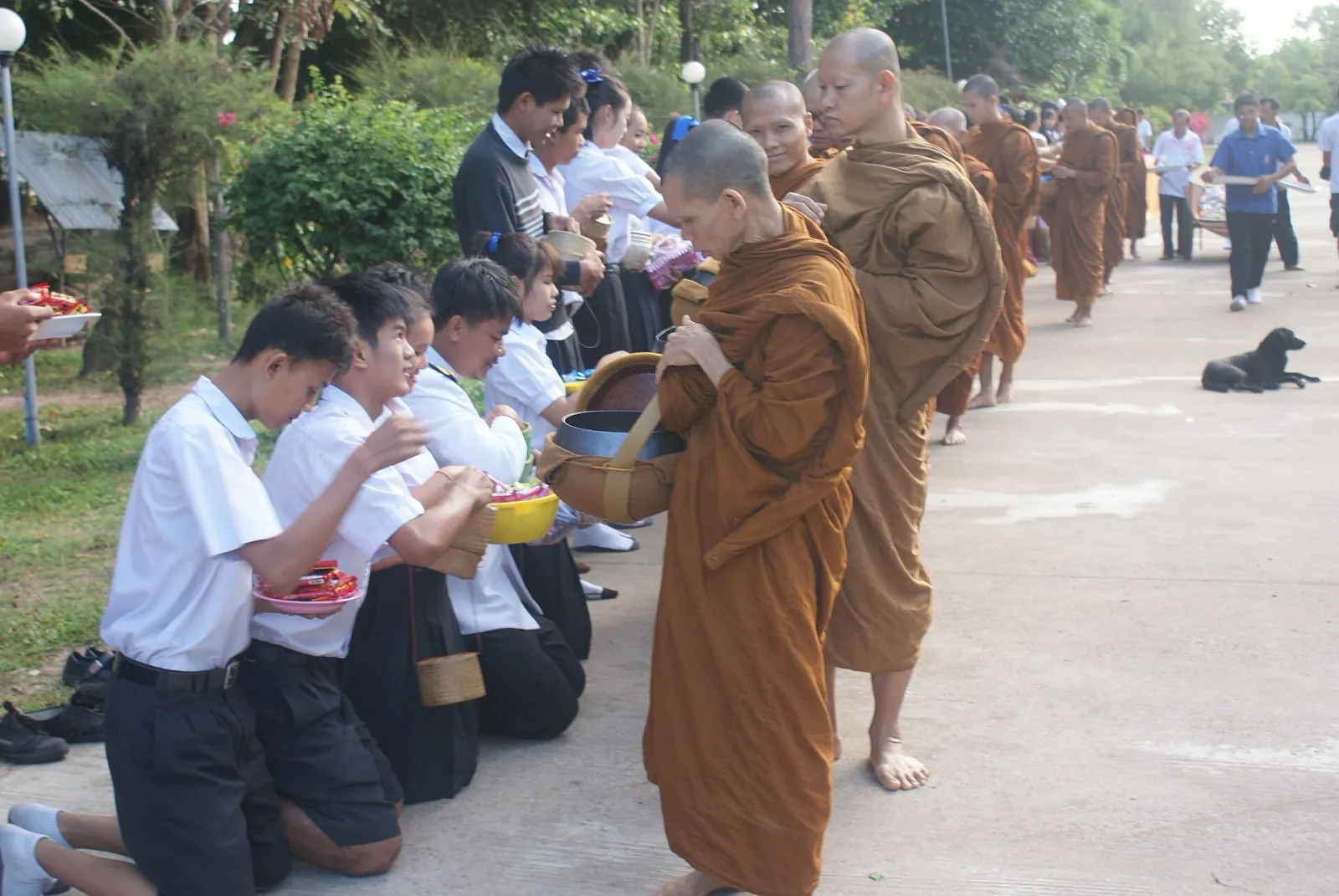
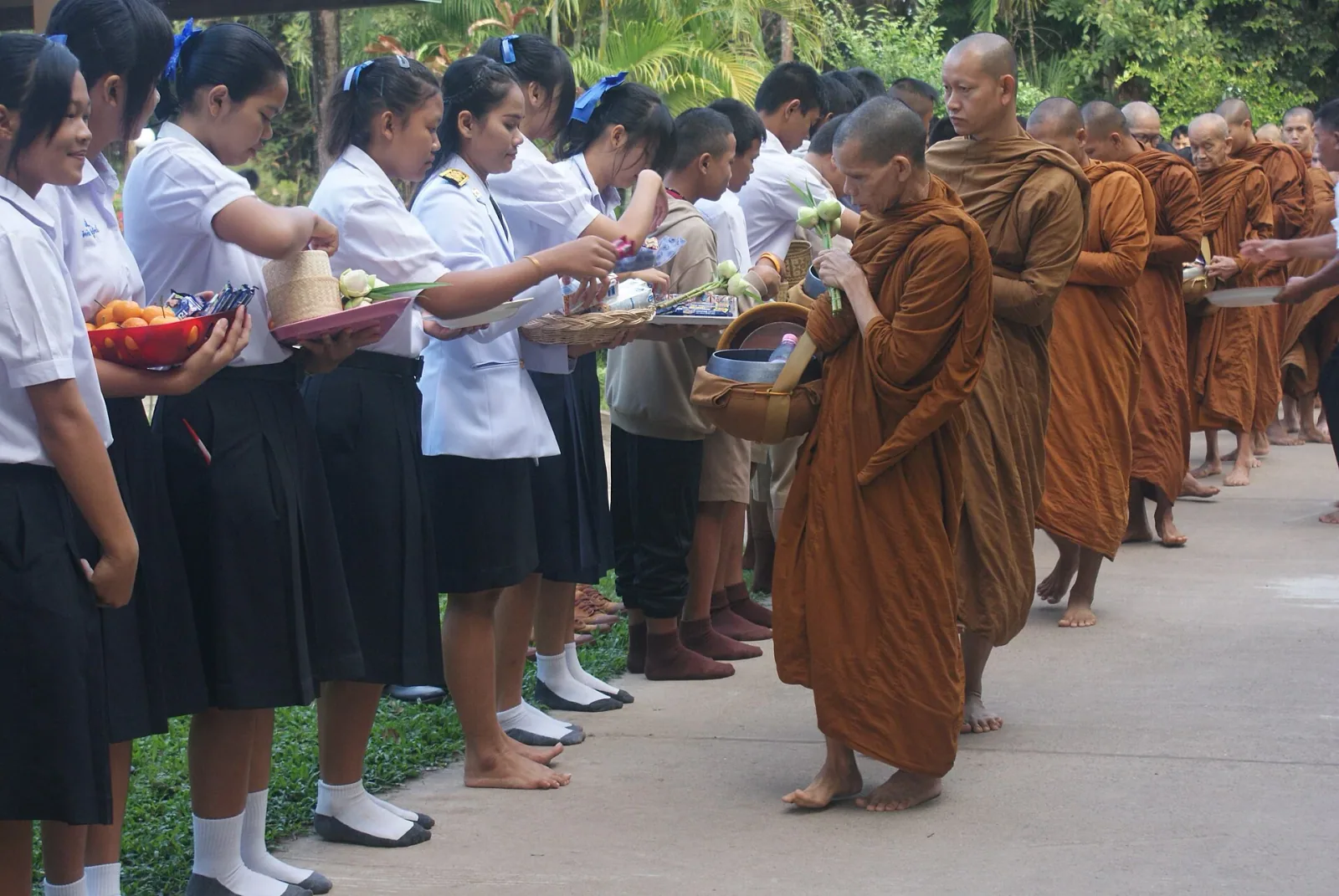
What you will find: rice fields stretching to horizons, morning markets bursting with incredibly fresh and cheap produce, street food that costs less than a Bangkok coffee, monks walking barefoot at dawn collecting alms, silk weavers continuing centuries-old traditions, a massive rocket festival that transforms the province every May, genuine friendliness from locals delighted that foreigners show interest in their culture, and living costs so low that 15,000-20,000 THB monthly provides comfortable existence. For context on how these costs compare regionally, see our comprehensive Thailand cost of living guide.
Yasothon represents a choice. You choose authenticity over convenience, cultural depth over entertainment options, genuine affordability over expat infrastructure, Thai language immersion over English comfort, and simple living over complexity. It's not the right choice for most expats or long-term visitors—honestly, it's probably the right choice for very few. But for those whose priorities align with what Yasothon offers, it provides something increasingly rare: the ability to live deeply within authentic Thai culture at prices that allow extended stays, language learning, cultural participation, and the kind of slow travel that actually changes you rather than just providing backdrop for your Instagram feed. Three years after my accidental first visit, I still return to Yasothon annually, drawn by affordability yes, but more by the particular satisfaction of being in a place that remains genuinely itself rather than becoming what visitors want it to be.
BEST FOR
NOT IDEAL FOR
KEY FACTS
Bun Bang Fai
May · Rocket festival (book months ahead)
Buddhist observances
Temples central to community life
Agricultural calendar
Rice planting/harvest shapes rhythms
Roi Et
~70 km · regional airport (ROI), minibus
Ubon Ratchathani
~100 km · main regional airport (UBP), mainline rail terminus
Mukdahan
~110 km · Mekong & Lao border (Friendship Bridge II)